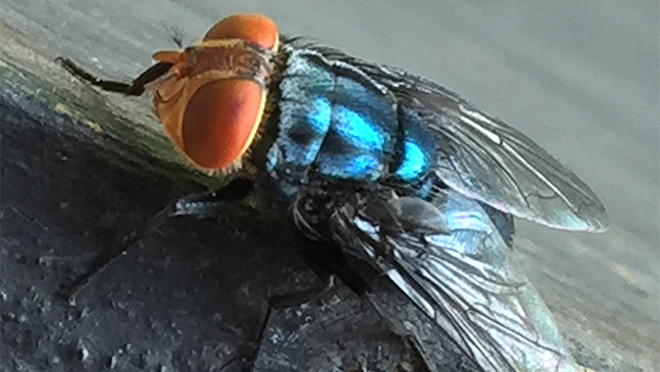
Eighty-seven new New World Screwworm infections were confirmed in November across Texas, New Mexico and Arizona, pushing the active caseload to 98 cases as of Friday, according to the U.S. Department of Agriculture’s Animal and Plant Health Inspection Service.
The surge follows a summer lull when fewer than five cases were detected each month in August and September. October brought about three dozen new detections, including Arizona’s first case in a dog, MySA reported. By Friday, the parasite had reached Hidalgo and Cameron counties — the Rio Grande Valley’s most populous — with first-ever detections on Nov. 18 and Nov. 24, respectively, in cattle.
“The pest primarily infects warm-blooded animals, including livestock like cattle, pigs and horses, but also poultry. Pets and people can also be infected,” the Texas Animal Health Commission said. Adult flies lay eggs in wounds as small as a tick bite or a healing umbilical cord; larvae then burrow into living tissue, causing myiasis that can kill if untreated.
Twenty-four Texas counties now have active cases. Starr and Webb counties each report seven cases, as does Hudspeth County in far West Texas. Infections stretch east to Goliad County and north to Mitchell County. The majority involve cattle, with additional cases in horses, sheep, pigs, three dogs and, on Oct. 21, an elk harvested by a hunter in Pecos County — the first detection in a wild animal.
The United States eradicated the pest in the 1960s and, with Mexico and Central American partners, pushed it to Panama beyond the Darién Gap. In 2023, the fly breached that containment line and moved northward, reemerging in the U.S. on June 3.
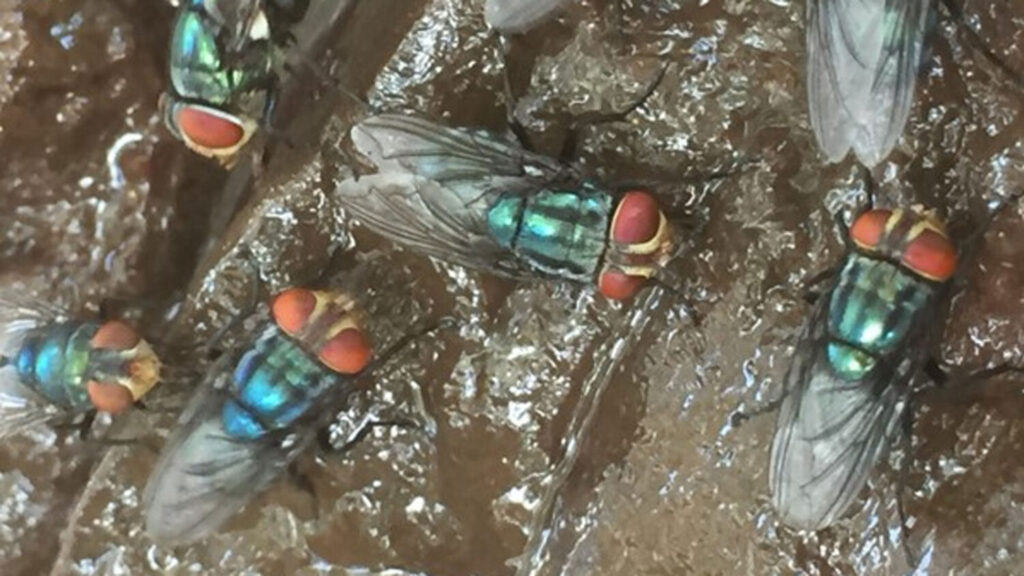
Officials are deploying thousands of fly traps, establishing quarantine zones and roadside checkpoints for livestock transport, and releasing sterilized flies from the Moore Air Base facility north of Edinburg. The USDA held a hiring fair this month to fill more than 220 positions at the sterile-fly production plant, where a new all-male sterile strain called NovoFly is being produced by the hundreds of millions.
Keep reading
Republican Mayor Slams GOP as ‘Fringe’, ‘Morally Bankrupt’ After Midterms
Oklahoma City Mayor David Holt, a Republican, declared his party “morally and intellectually bankrupt” after the midterm elections....

Alabama Braces for Wet Sunday With Damaging Wind Threat After Dry Iron Bowl Saturday
Alabama faces a wet Sunday with damaging winds and a marginal severe-storm risk after a dry, cool Saturday...

Northwestern vs. Illinois Prediction: Writers Pick Wildcats to Win Land of Lincoln Trophy
Northwestern hosts Illinois at Ryan Field on Saturday at 11:30 a.m. CT in the regular-season finale with the...

Family Remembers Salem, “Mr Meowgi,” Killed on Northfield Road
In an obituary posted to Tribute Archive, a Northfield, Minnesota, family remembers Salem, a cat known as "Mr...