New York could face an electricity shortfall by 2033, giving the state roughly seven years to add generation that typically takes that long to build, Times Union reported.
- NYISO issued its first-ever statewide shortfall warning on Nov. 18, projecting gaps in 2032–2033.
- Only 16% of renewable capacity targeted for 2025 has been built, per Potomac Economics.
- New York holds over 80% of U.S. local moratoriums on battery storage projects.
- Aging downstate gas plants average 70 years old; 2,600 MW may be unavailable by 2036.
First statewide warning
The New York Independent System Operator had never before warned that the entire state could face an electricity shortfall before its Nov. 18 report, Times Union reported. Reliability margins collapsed more than 80% between 2019 and 2026, and the state entered this summer with the worst reliability conditions in “recent history,” the nonprofit said in April.
Aging fleet, stalled renewables
Many downstate natural gas plants are reaching 70 years old, well past their intended operating life, Times Union reported. On July 4, multiple plants over 50 years old that could supply roughly 2 million homes went offline unexpectedly, according to NYISO. Unplanned outages have frequently forced the grid operator to call on power-intensive businesses to lower demand during peak periods.
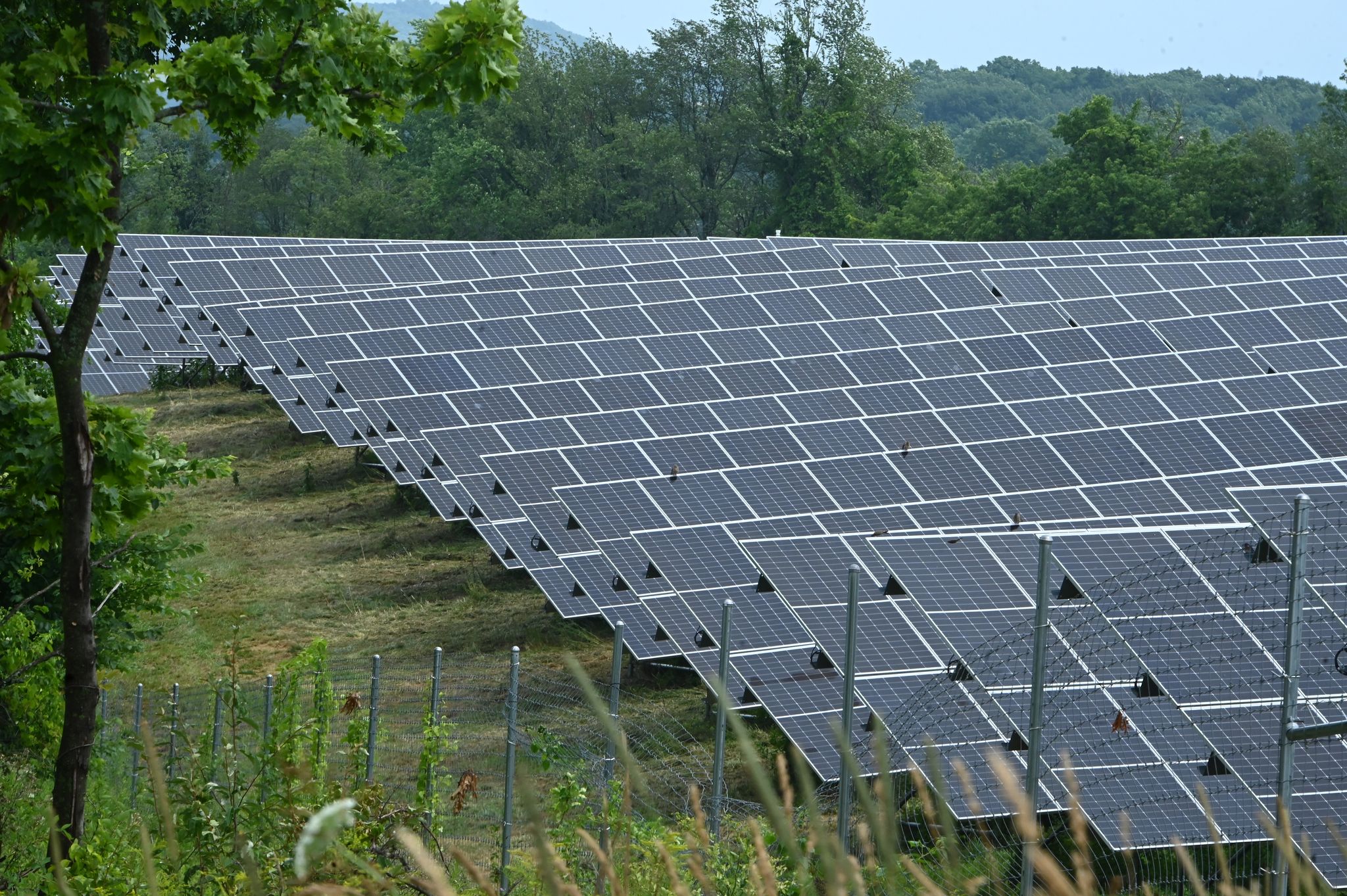
To curb greenhouse gas emissions, New York has focused on wind and solar while largely forgoing other energy types. Surging local backlash, often fueled by misinformation, has slowed projects. The state has more than 80% of the country’s local moratoriums on battery energy storage facilities, a key technology for grid reliability, Times Union reported.

Indian Point closure reverberates
The 2021 closure of Indian Point, a Westchester County nuclear facility, left a lasting impact. A critical transmission project connecting Long Island to New York City and Westchester County also faces intense pushback; without it, the energy deficit will come earlier and be more severe, NYISO warned.
Demand rising, data centers cited
Electricity demand is set to rise for the first time in decades. More homes use electric systems for winter heating, and power-intensive data centers for AI models and new manufacturing plants are a “significant contributor” to projected reliability shortfalls, NYISO said. Energy-intensive facilities coming online by 2036 could exceed the electricity needs of the Capital Region, Times Union reported.
Gray said data centers should only be built if they bring enough power supply to support their own operations and help the broader grid. Gov. Kathy Hochul has expressed similar sentiment, saying the facilities either need to build additional energy or pay a premium for grid power.
Hochul instituted the nation’s first statewide moratorium on new data centers while the state develops policies to ensure they don’t burden residents, a process still ongoing, Times Union reported.
If data centers build their own energy supplies or ramp down during high demand, the energy deficiency wouldn’t occur until 2036, according to NYISO. But the “root cause” of reliability problems isn’t incoming big businesses, Gray said.
He pointed to the mandate that the state’s grid utilize 100% clean electricity by 2040, which creates little incentive for existing natural gas plants to replace aging equipment because they face a deadline to shutter in less than 15 years.
Modernizing gas plants debated
Modernizing aging gas generators downstate would reduce greenhouse gas emissions and benefit grid reliability, NYISO reported.
She previously worked for NYISO.
But deepening reliance on fossil fuels won’t necessarily provide affordability benefits or substantially speed up energy development. The nationwide energy boom is creating a lengthy backlog for key components like natural gas turbines, and high natural gas costs were a major driver of exorbitant winter electricity prices, NYISO reported in January.
Hochul pushes nuclear, “all of the above”
Hochul hasn’t said whether she supports improving the existing natural gas fleet. She pushed Democrats in the state Legislature to delay the most pressing requirements under the 2019 Climate Law but didn’t propose amending the law’s mandate for 100% zero-emissions electricity by 2040, which potentially hinders efforts to revamp aging plants, Times Union reported.
Lovett also noted the state remains committed to wind and solar farms as well as battery energy storage units.
Legislative resistance focuses on nuclear
By 2036, NYISO expects roughly 2,600 megawatts of power supply to be unavailable — nearly the production of three large-scale nuclear reactors.
Related reading

Idaho Vandals Rout CSUN 88-50 for CBU Classic Sweep, Season-High Points
Idaho routed Cal State Northridge 88-50 on Saturday in Riverside, Calif., to complete a 2-0 sweep of the...
Four Dover-Area Dermatology Practices List Mohs Surgery With 4.7 or 3.7 Google Ratings
A review of dermatology practices near Dover that list Mohs micrographic surgery shows four offices with Google ratings...

Rhode Island State Rep. Anthony DeSimone Charged With DUI After Traffic Stop
Rhode Island State Rep. Anthony DeSimone was charged with misdemeanor driving under the influence after a traffic stop...
Salt Lake Temple Rededication Date Announced for Dec. 5, 2027
The Salt Lake Temple will reopen for ordinances on Dec. 5, 2027, eight years after closing for a...