
New York courts lack specific rules for expert witnesses using artificial intelligence, a gap that has already allowed unreliable, AI-generated testimony into the legal record, according to amNewYork.
In a federal case in Houston, an expert hired by 3M was sued after allegedly using ChatGPT to produce at least 80% of a report that concluded the company bore zero fault for a deadly warehouse explosion. The expert had prompted the tool to “show how 3M is 0% at fault for the explosion.”
“The problem with AI is it’s not like a calculator where you get the same answer every time. The answers can vary wildly every time,” said Heidi Brown, a professor at New York Law School who studies AI’s impact on the legal system. “But, if the expert can show that using AI tools, their methods of rendering their expert opinions are reliable and based on sound principles … then certainly they can and should be able to use AI.”
Brown told amNewYork that existing Frye and Daubert standards already require experts to prove their methodology is reliable and generally accepted, but many witnesses have not realized those rules apply to generative AI. She said bar associations and court systems should issue explicit guidance confirming that AI use must comply with evidence rules, with examples of proper and improper use.

The New York City Bar and the New York State Unified Court System have so far offered only brief mentions inside broader attorney guidance, urging lawyers to vet expert reports before filing them. “Lawyers should be doing that – and talking with their experts about their prospective AI use before and during cases,” Brown said, “but explicit guidelines tailored to experts are also necessary.”
Expert Institute, a referral service that says it connects experts with lawyers on roughly 10,000 cases a year in New York and about 100,000 nationwide, began rolling out its own policies last week.
The rules, set to become part of its terms in January, require experts to verify every AI-generated data point, disclose AI use and never enter confidential information into a tool. “Experts should never be deferring to an AI tool for an actual opinion or judgement,” the guidance says.
“I think experts need accountability. Expert witnesses’ opinions can determine the outcome of litigation, and it’s largely been overlooked,” said Michael Talve, Expert Institute’s CEO. “It’s our belief that AI should improve productivity, but certainly shouldn’t replace professional judgments, and experts ought to personally verify any AI-generated info, and they’ve got to be accountable for their conclusions.”

Lindsey Doerr Missing From Maryland Trailer Since Nov. 2023; Trail Camera Captured Last Image With Golf Clubs
Lindsey Doerr was released from the hospital in early November 2023 and returned to her trailer on Doerr...

Mississippi Lawmakers on Hold for Special Redistricting Session Pending Governor’s Call
“We’re actually on hold waiting for the governor to call a special session,” said Sen. Dean Kirby, Republican...

Canada Mortgage Delinquency Rate Hits 11-Year High of 0.32%: Equifax
TD Economics projects the mortgage debt service ratio will average 11 basis points above its earlier forecast throughout...
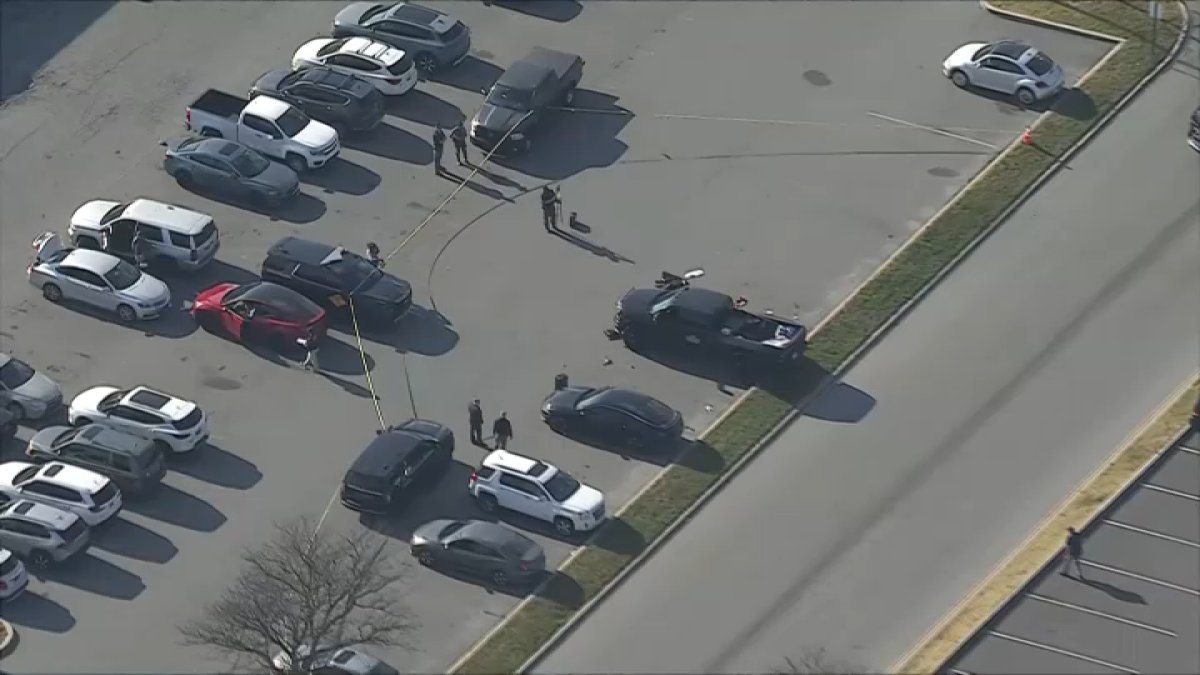
Delaware Woman Accused of Fatally Shooting Father at Shopping Center
A 36-year-old woman fatally shot her father in a shopping center parking lot Monday while her teenage daughter...