New York State requires real estate licensees to present a standardized agency disclosure form to every buyer and seller they work with, outlining fiduciary duties and the limits of dual representation.
A seller’s agent owes the seller “reasonable care, undivided loyalty, confidentiality, full disclosure, obedience and duty to account” and “does not represent the interests of the buyer.” A buyer’s agent owes identical fiduciary duties to the buyer and “does not represent the interest of the seller.”
A broker’s agent cooperates with the listing or buyer’s agent but “does not have a direct relationship with the buyer or seller” and the parties “cannot provide instructions or direction directly to the broker’s agent.” The listing agent or buyer’s agent provide direction and instruction to the broker’s agent and therefore have liability for the acts of the broker’s agent.
When a broker represents both sides, the agent “will not be able to provide the full range of fiduciary duties to the buyer and seller.” The form warns that “by consenting to the dual agency relationship the buyer and seller are giving up their right to undivided loyalty.”
If both parties consent in writing, the broker may designate separate sales agents — one for the buyer, one for the seller — but each designated agent “cannot provide the full range of fiduciary duties to the buyer or seller” and “must explain that like the dual agent under whose supervision they function, they cannot provide undivided loyalty.”
Buyers and sellers may give advance informed consent to either dual agency or dual agency with designated sales agents by checking the appropriate box on the form.
The disclosure states “THIS IS NOT A CONTRACT.” Throughout the transaction a party may receive more than one disclosure form. The form carries the identifier DOS-1736-f (Rev. and includes a signature block for the buyer or seller to acknowledge receipt of a copy with the date.
Keep reading

Caesars Palace to Shutter Bacchanal Buffet Jan. 4, 2027 for Renovation
Caesars Palace will shutter its Bacchanal Buffet for a renovation starting Jan. 4, 2027, pulling one of the...

Houston Procession, Mass Set for Feast of Our Lady of Guadalupe Dec. 5
Hundreds of traditional dancers will process through downtown Houston on Saturday to honor the Feast of Our Lady...
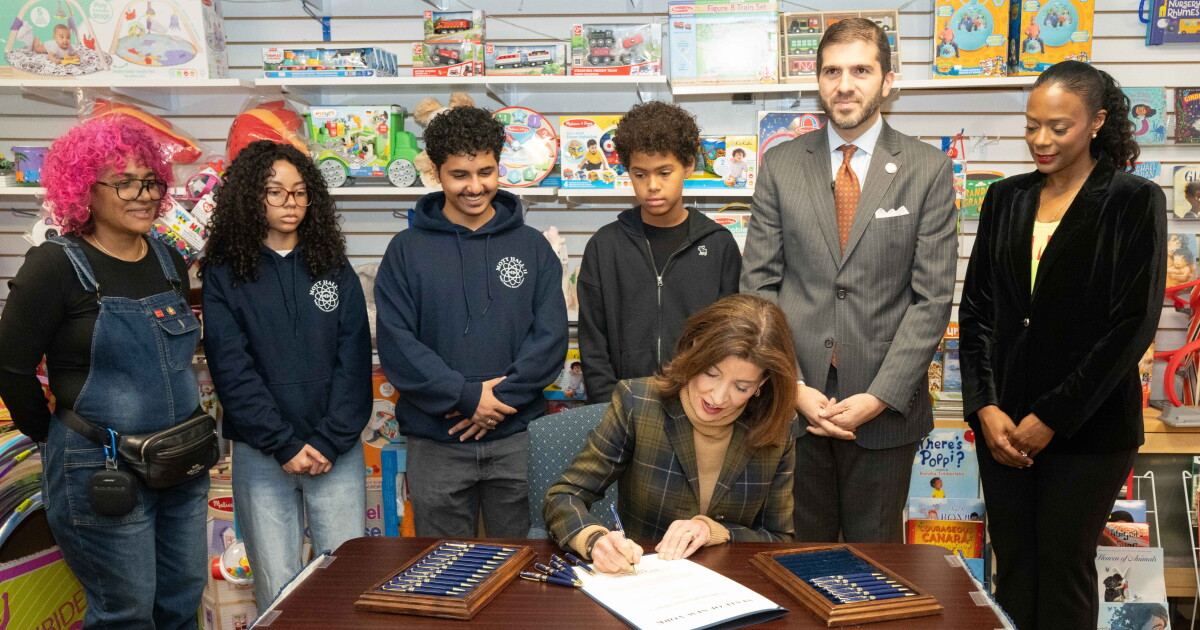
New York Bans AI Chatbot Toys for Five Years, Law Takes Effect in 90 Days
New York Gov. Kathy Hochul signed a five-year moratorium on AI chatbot toys Tuesday, banning the manufacture, distribution...
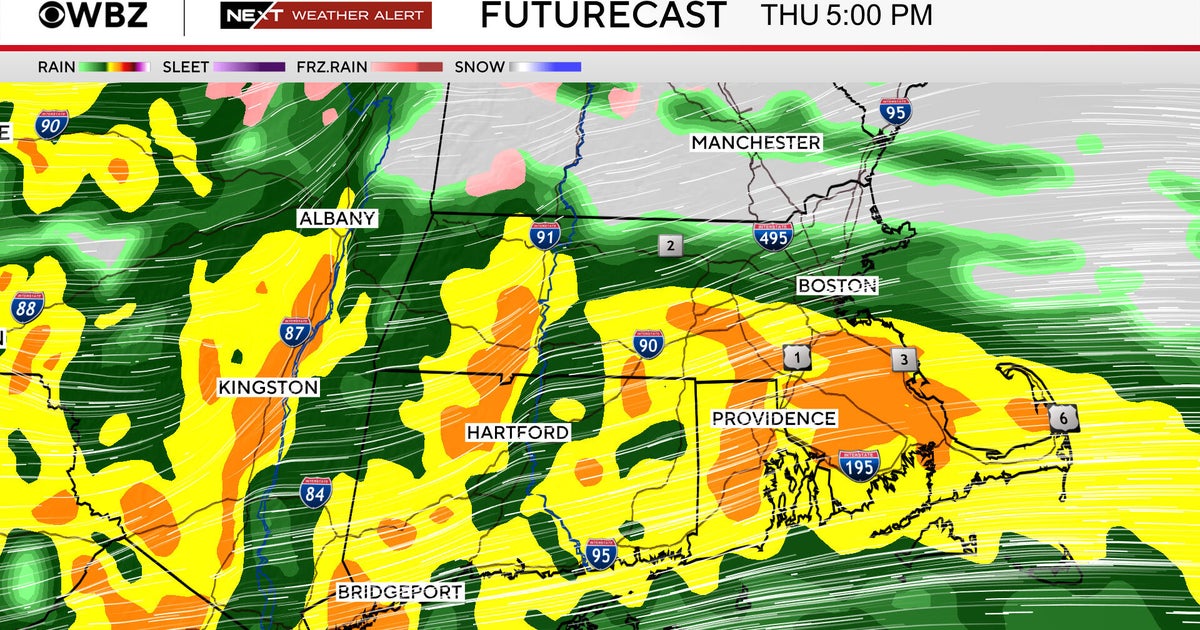
Fast-Moving Thanksgiving Storm to Bring Heavy Rain, 50+ MPH Wind Gusts to Boston Area
A fast-moving storm will bring heavy rain and damaging wind gusts to the Boston area Thursday evening, arriving...