
Excavation work next door most likely caused the collapse of a century-old building at 1321 Flatbush Avenue in Brooklyn that killed eight people and injured at least 18, a New York Times investigation has found.
The Times analyzed video footage, built a 3-D model of the construction site using photogrammetry, and had structural and geotechnical engineers review planning documents. The evidence shows the excavation compromised the foundation of the three-story building, which sat next to a pit where support for the neighboring foundation wall was inadequate even on paper.
“Based on the planning documents, it looks like there was a complete disregard for engineering and construction standards of care,” said Jane Raba, director of structural engineering and founder of the excavation unit at RA Engineering in New York. She confirmed the broad findings of the Times investigation. “Even if they had followed the plans precisely, the building would have been in danger of collapsing.”
The poor execution of those plans moved the project well beyond that threshold of danger, Raba added. “They undercut their own plans.”
Video captures the moment the foundation gave way
Footage from a city bus, obtained by the Times from the Metropolitan Transportation Authority, provides one of the most complete accounts of the collapse. The video shows the building breaking away from the neighboring apartments, sinking and tilting. The wall adjacent to the excavation dropped initially by about 18 inches before breaking apart, according to the Times analysis.
Large cracks formed across the facade. The entire structure then fell, taking down the shared wall with the building next door. A separate CCTV video from a deli across the street captured the same sequence.
According to Dan Eschenasy, the former chief structural engineer at New York City’s Buildings Department and now principal forensic engineer at Gilsanz Murray Steficek, the collapse began when the wall beside the construction site dropped — a sign that the failure originated at the foundation level.
Dan Eschenasy, former chief structural engineer at New York City’s Buildings Department, said you have to be careful not to get too close to the wall.
The initial failure could have been triggered by heavy machinery digging too far into a dirt embankment, or berm, meant to support the foundation wall, Eschenasy said.
Plans were incomplete and testing was ‘subpar’
Five experts consulted by the Times criticized the planning, testing, and design documents intended to guide the excavation and safeguard 1321 Flatbush. The underground testing and geotechnical report for the work were “subpar to what I’m used to seeing,” said Michael P. McGuire, a professor at Lafayette College and a civil engineer specializing in building foundations.
Dr. McGuire said no final conclusions could be drawn based on currently available information. But he said there seemed to be a “geotechnical failure” that was “consistent with reduced bearing support from the soil beneath the foundation” because of the excavation.
The Times’ 3-D model — built from hundreds of photographs taken at the scene on November 14 and stitched together using custom software — suggests the foundation wall tilted and sank as much as three and a half feet. That movement could be consistent with several theories, including that the soil settled under the foundation or lost some of its ability to bear weight.
Raba said that as excavation proceeded, the building likely began shifting by fractions of an inch — a well-known indicator of structural distress — for days or weeks prior to the collapse. If inspectors had used standard equipment to monitor that motion, they may have recognized the imminent disaster and taken steps to avert it. Instead, the building continued to move and “reached a point of no return,” tumbling into the pit.
Criminal investigation opened; agencies decline comment
The Brooklyn district attorney’s office has opened a criminal investigation. The Department of Buildings declined to comment on the ongoing investigation or the Times analysis. Engineers and companies in charge of excavation plans and technical reports did not reply to requests for comment.
The Metropolitan Transportation Authority, created in 1965 as the Metropolitan Commuter Transportation Authority to take over the bankrupt Long Island Rail Road, is the largest public transit authority in North America. Its network spans 12 counties in Downstate New York and two in southwestern Connecticut, carrying over 11 million passengers on an average weekday. The agency also operates seven toll bridges and two tunnels, and maintains its own police department.
Experts said the building showed no signs of being so rickety or disjointed that it would have fallen on its own. Like most structures this old, it had shortcomings, but the evidence points to the adjacent excavation as the catalyst.
Related reading

Oklahoma Bowl Projections Range From Riley Reunion to Bedlam Revival
Oklahoma entered the season with College Football Playoff expectations, but six wins and bowl eligibility felt unlikely three...

Feeding Champlain Valley Needs 350 More Turkeys by Wednesday; Partner Visits up 30%, Vermont Foodbank Says
Feeding Champlain Valley needs 350 more turkeys by Wednesday as Vermont Foodbank partner visits jumped 30% from July...

Log Cabin Fire Kills Two in Sanbornton, NH; Victims Gloria, Edwin Beck
A fast-moving fire destroyed a single-family log cabin on Hueber Drive early Thursday, killing an 86-year-old woman and...
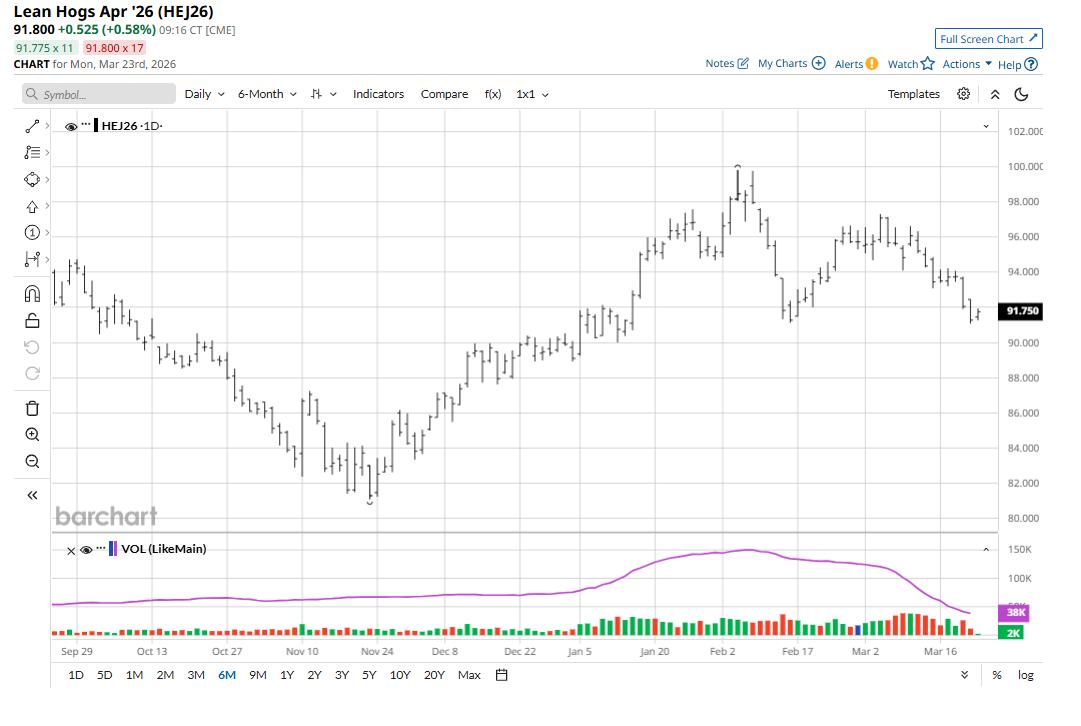
Boxed Beef Surges at Midday; Cash Hogs Drift Lower
Boxed beef prices surged at midday Friday while cash hog markets drifted lower, exposing a widening split between...