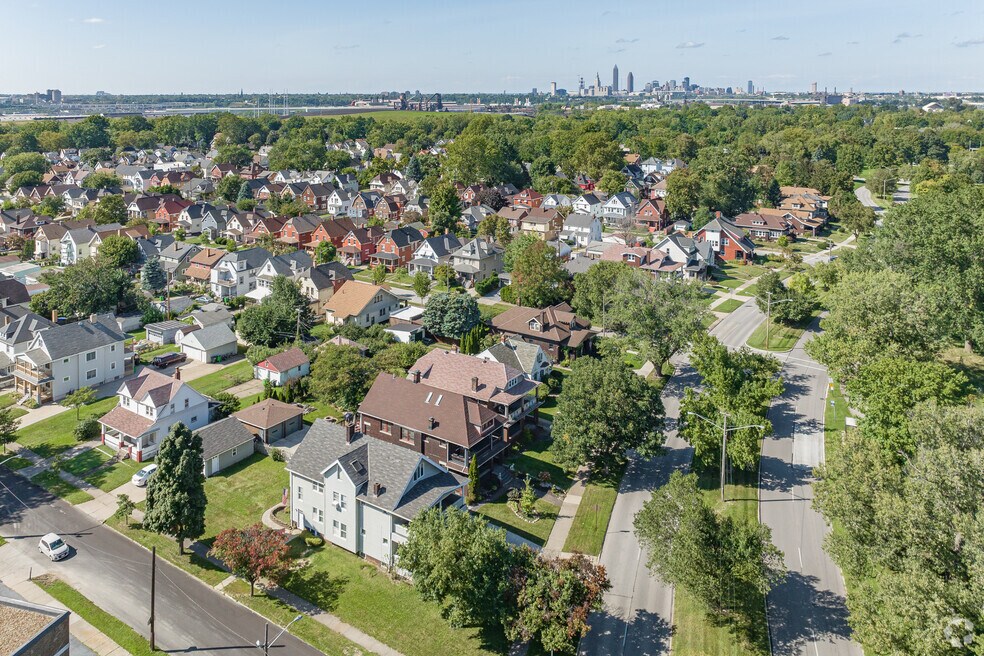
Nearly seven years after Newburgh Heights cut its workweek to four days, the village and a Willoughby motorhome maker are still doing it — even as police staffing and market downturns test the model.
Mayor Trevor Elkins adopted the 32-hour schedule in 2019 to compete for workers against wealthier suburbs, cleveland.com reported. “We couldn’t match the big communities, dollar-for-dollar, as it related to compensation,” he told the outlet. “This was something that would give us an edge — and nobody else was doing it.”
The village maintained weekly pay and benefits while reducing hours from 40 to 32, effectively raising hourly compensation by 25%.
Morale improved and unscheduled absences fell, Elkins said. But the policy hasn’t worked everywhere. Police officers returned to a 40-hour week amid a staffing shortage; the village later approved a 30% pay increase, bringing starting wages to $32 an hour.
Firefighters also kept schedules that don’t fit the model. The service department stays on 32 hours but generally takes Fridays off, making staggered coverage difficult and occasionally requiring callbacks for snowplowing at added cost.
Perhaps the biggest surprise: the schedule stopped being a recruiting tool.
In Willoughby, Advanced RV joined an international trial in April 2022. Founder Mike Neundorfer put the odds of success at 50%. Four years later, the company of fewer than 50 employees still operates on a 32-hour, four-day week with no pay cut.
But the assessment is nuanced. Neundorfer told NPR in 2023 that the reduction initially cost production volume and profit, though productivity nearly recovered after about 18 months. More recently, a broader RV market downturn has reduced profitability, shareholder returns and employee profit-sharing.
Quality has improved and customers remain satisfied, the company says. Workers bought an industrial sewing machine that cut carpet-binding time by 75% and developed templates to speed repetitive tasks. Meetings became more focused. Staggered schedules allow customer service five days a week and technical support seven. Employees have used the extra day for appointments, blacksmithing, piano lessons, volunteering — and one couple spends Fridays bicycling, brewing beer and making maple syrup.
An October 2026 update on Advanced RV’s website acknowledged the shorter workweek hasn’t solved every challenge, but said benefits to employees, customers and product quality justify continuing.
Obstacles remain widespread. Hospitals, restaurants and nursing homes can’t easily cut operating hours. Newburgh Heights found additional staffing raises costs. Advanced RV’s experience reflects a small, entirely salaried workforce with close collaboration — conditions that don’t apply everywhere. And there’s a distinction between four 10-hour

Sioux Falls Skyforce Rout Wisconsin Herd 100-71
The Sioux Falls Skyforce routed the Wisconsin Herd 100–71 on Saturday, leading by 35 points after the first...

No. 17 Oklahoma Overcomes 20-Point Deficit to Beat No. 23 Missouri 34-31
No. 17 Oklahoma erased a 20-point deficit to beat No. 23 Missouri 34-31 on Saturday at Faurot Field....

Penn State Erases 23-3 Deficit, Beats Maryland 27-26; Postgame Brawl Bloodies Jahmir Joseph
Penn State erased a 23-3 halftime deficit to beat Maryland 27-26 on Saturday at SECU Stadium, winning on...

FBI Boston Warns Holiday Scams Cost $503M Nationally, $7M in Massachusetts
FBI Boston warned holiday shoppers Friday that non-delivery and non-payment scams cost victims more than $503 million nationally...