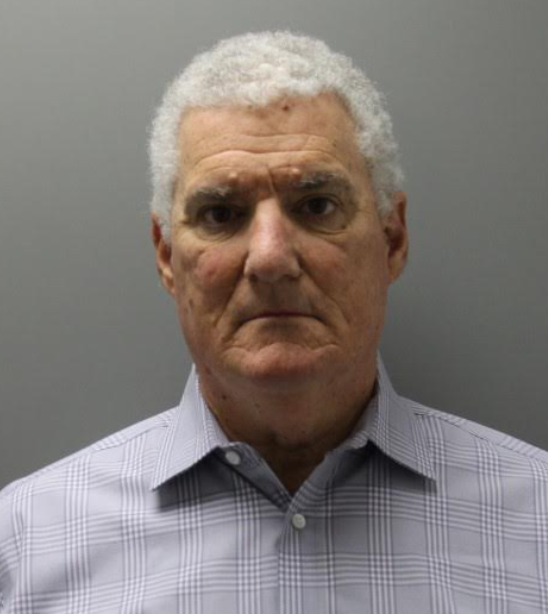
The New Hampshire Supreme Court has officially upheld the revocation of former State Sen. Andrew Sanborn’s gaming licenses, ending a legal battle centered on the misuse of federal pandemic relief funds. The ruling affirms the New Hampshire Lottery and Gaming Commission’s decision to strip Sanborn of his licenses for the Concord Casino and to block a potential buyer from taking over the facility, as reported by InDepthNH.org.
The core of the collapse traces back to an $844,000 loan from the Small Business Administration’s Economic Injury Disaster Loan program. While Sanborn claimed the money was for working capital for his company, Win Win Win, LLC, federal investigators found a different reality.
Sanborn Misused Federal Loans to Buy a Porsche Cayman
The numbers tell a stark story of diversion. According to the U.S. Attorney’s office, Sanborn misused $255,232.72 of the federal loan for personal expenses. The most glaring example was a $48,750 purchase of a 2006 Porsche Cayman. This pattern of spending led to a federal criminal case in which Sanborn pleaded guilty to the theft of government funds in U.S. District Court. He is currently awaiting sentencing.
The fallout extended beyond the federal courts. In 2023, just as the Concord Planning Board had approved Sanborn’s proposal for an expanded charity gaming casino on Concord Heights, the state commission moved to revoke his existing licenses.
“Charitable gaming in New Hampshire must be conducted with integrity, transparency, and accountability,” said Attorney General John M. Formella.
The Failed $30 Million Exit Strategy
Sanborn didn’t go quietly. He attempted to sell the Concord Casino—located in the Draft Bar and Grill on South Main Street—under a reported $30 million agreement. The sale was contingent on the commission approving the new owner’s licensing application. Sanborn argued that the commission was intentionally sabotaging the deal by driving away purchasers to ensure he missed his court-ordered deadline to sell.
The Supreme Court, however, found no merit in these claims. The court upheld the commission’s denial of the buyer’s application based on two critical failures:
- Operational Influence: The proposed arrangement would have allowed Sanborn to remain involved in the casino’s operations through Win Win Win, LLC, despite being legally ineligible to hold a license.
- Financial Viability: The purchaser failed to provide sufficient evidence that they possessed the financial resources necessary to complete the purchase and maintain the casino’s operations.
Sanborn also attempted to argue that his due process rights were violated. The court dismissed this, noting that he had failed to raise the argument before the commission, meaning the claim was not preserved for appeal.
The Broader Legal Reckoning
The legal pressure on Sanborn isn’t limited to the casino or the federal theft charge. The state has also charged him with defrauding a separate pandemic financial relief program. This creates a pattern of alleged financial misconduct that spans multiple government agencies and relief initiatives.
With the Supreme Court’s decision finalized, Sanborn’s attempt to save the casino through a third-party sale has collapsed. He now faces the immediate reality of federal sentencing and the permanent loss of his gaming credentials.
Keep reading

Dancing with the Stars: The Next Pro Eyes California Production Move
BBC Studios is looking to move production of the ABC summer hit Dancing with the Stars: The Next...

North Alabama Volleyball Defeats Tarleton State 3-1
North Alabama Defeats Tarleton State 3-1 to Claim Revenge in Florence North Alabama defeated Tarleton State 3-1 (25-23,...

Inside Idaho’s Snowden Wildlife Sanctuary: Rehabilitating Bears and Injured Wildlife
Inside the Off-Grid Idaho Sanctuary Giving Vulnerable Wildlife a Second Chance Nestled within the Payette National Forest near...
512th CES Leaders React to Reservists Perfect Test Scores
Perfect Scores Achieved at Dover “It was an amazing feeling to get that score,” Senior Airman Andrii Prysiazhnyi...