
Nick Carter filed an opposition brief Friday that calls Melissa Schuman’s bid to seal her April deposition the “total embodiment of hypocrisy and regret,” escalating a legal fight that has ping-ponged between open court and sealed filings for years.
The Backstreet Boys singer argues Schuman “unilaterally and strategically decided to launch a highly publicized defamatory campaign” through a documentary and television interviews rather than suing anonymously, then turned around and asked a judge to shield the transcript where his lawyers tested her allegations under oath.
“Out of one side of her mouth, [Melissa] publicly defames and vilifies [Nick] with horrendous lies and, out of the other side, asks this court to shield her ongoing fraud and perjury from being exposed,” the filing says, according to TMZ.
Schuman sued Carter in 2022 over an alleged assault at his Los Angeles apartment in 2003, when she was 18 and he was 23. Carter has denied the claims from the start and contends Schuman conspired with Shannon Ruth, who filed her own sexual-assault suit against him, to “shake him down with false accusations.” Both cases remain active in Los Angeles Superior Court.

The deposition at issue took place in April 2026. Carter’s team says the transcript will expose Schuman’s claims as a “clear fabrication.”
Her attorneys moved to seal it, arguing the pretrial discovery contains sensitive personal material that should not become public fodder. Carter’s opposition frames that request as a tactical reversal: after years of press tours and a Lifetime documentary, Schuman cannot now claim a privacy interest in the very testimony that tests her public narrative.
The clash illustrates a recurring tension in high-profile #MeToo litigation. Plaintiffs often use media exposure to pressure defendants and corroborate accounts, but discovery rules treat depositions as private unless a court orders otherwise. When a party seeks to have it both ways — public advocacy, private testimony — judges must weigh First Amendment access against the parties’ privacy and the integrity of the fact-finding process.
Carter’s filing also renews his conspiracy allegation linking Schuman and Ruth. No court has ruled on that claim, and Ruth’s separate suit proceeds on its own track. The next hearing on the sealing motion has not been publicly calendared.
Related reading

Lulu at Ex-Husband John Frieda’s Bedside When He Died on Her 78th Birthday
Scottish singer Lulu revealed on Kaye Adams’s How To Be 60 podcast that she sat at the bedside...

Gary Glitter Faces Parole Hearing in Final Bid for Freedom
Gary Glitter, the disgraced glam-rock star jailed for a string of child sexual abuse offenses, is set to...
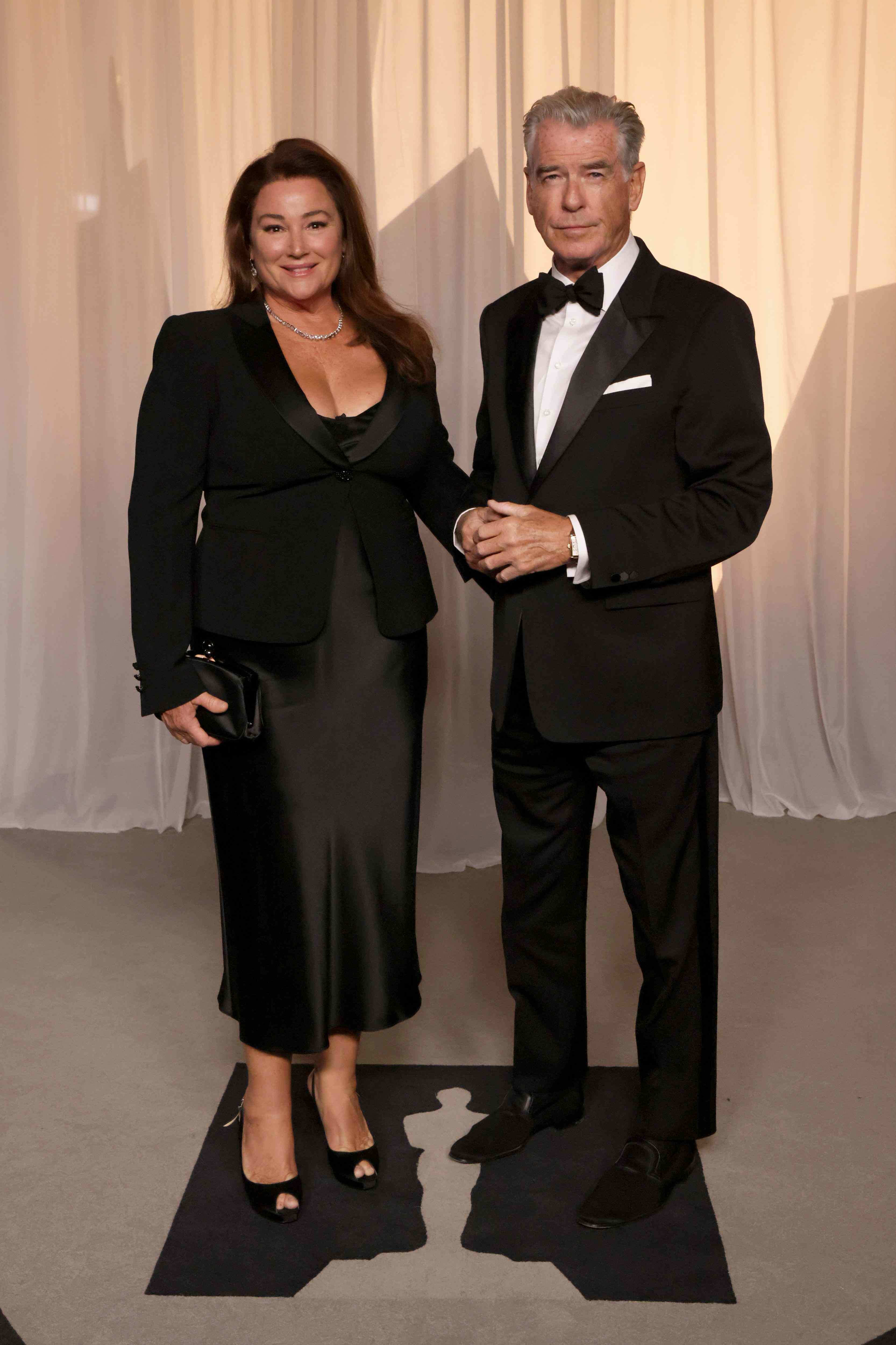
Pierce Brosnan, Keely Shaye Smith Attend Vanity Fair Gala After Brosnan Welcomes Robert Pattinson as Bond
Pierce Brosnan and Keely Shaye Smith attended Vanity Fair's Luminaries in Residence gala dinner in London on November...

U2 claimed their eleventh Irish No. 1 album with Carnaval De Luz
U2 claimed their eleventh Irish No. 1 album with Carnaval De Luz, extending a chart dynasty that began...