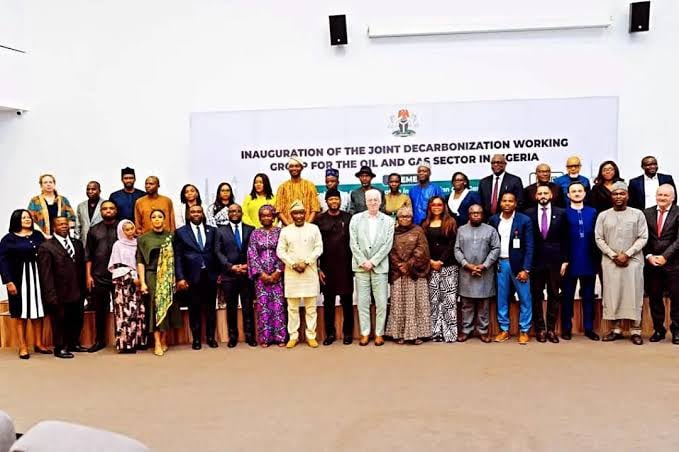
The Federal Government of Nigeria is implementing new policies aimed at reducing methane emissions from dumpsites and promoting sustainable waste management practices across the country. The initiative was highlighted by the Minister of Environment, Malam Balarabe Lawal, during a stakeholder engagement workshop held on Friday in Abuja, according to the Msmeafricaonline report. The workshop focused on the Multi-Solving Action for Methane Reduction in Nigeria (MAMRN) Project and was organised by the National Council on Climate Change (NCCC) in collaboration with the Office of the Special Adviser to the President on Climate Change Matters.
Federal Government Advances Methane Reduction and Waste Management Policies
During the gathering, the environment minister urged citizens to take greater responsibility for their generated waste. He specifically cautioned against practices that block drainage systems and worsen flooding during periods of heavy rainfall. Additionally, the ministry is actively promoting its Waste-to-Wealth
mandate, encouraging the public to adopt responsible management methods that convert discarded materials into useful economic resources, as detailed by Peoples Gazette Nigeria.
Role of the National Council on Climate Change and the MAMRN Project
The MAMRN project is specifically designed to strengthen national efforts to address methane emissions within the waste sector and support the creation of a National Action Plan for Methane Reduction. Representing the Director-General of the NCCC, Mrs. Omotenioye Majekodunmi, the Director of Energy, Transportation and Infrastructure, Mr. Michael Ivenso, noted that the initiative will provide a vital framework for advancing mitigation efforts.

According to officials, the project will build stakeholder capacity, reinforce existing policies, and promote sustainable practices nationwide. Majekodunmi emphasized that because methane is among the most potent greenhouse gases contributing to global warming, its reduction is critical to slowing temperature increases and meeting global climate targets. She explained that open dumping and poor waste management significantly drive up these emissions, making mitigation a core component of Nigeria’s Nationally Determined Contributions under the Paris Agreement.
Furthermore, addressing waste sector challenges is expected to yield multiple broad benefits beyond climate action. These include cleaner communities, improved public health, resource efficiency, green jobs, and an overall better quality of life. The NCCC has pledged to provide technical guidance and coordination support alongside the Federal Ministry of Environment, development partners, and other collaborators to ensure workshop outcomes turn into measurable actions.
Community Responsibility and Broad Stakeholder Collaboration
Environmental advocates echoed the call for structural changes in how the country handles garbage. The Executive Director of SRADeV Nigeria, Dr. Leslie Adogame, stressed that solid waste remains a major source of methane and urged individual waste generators to take direct accountability for their refuse.
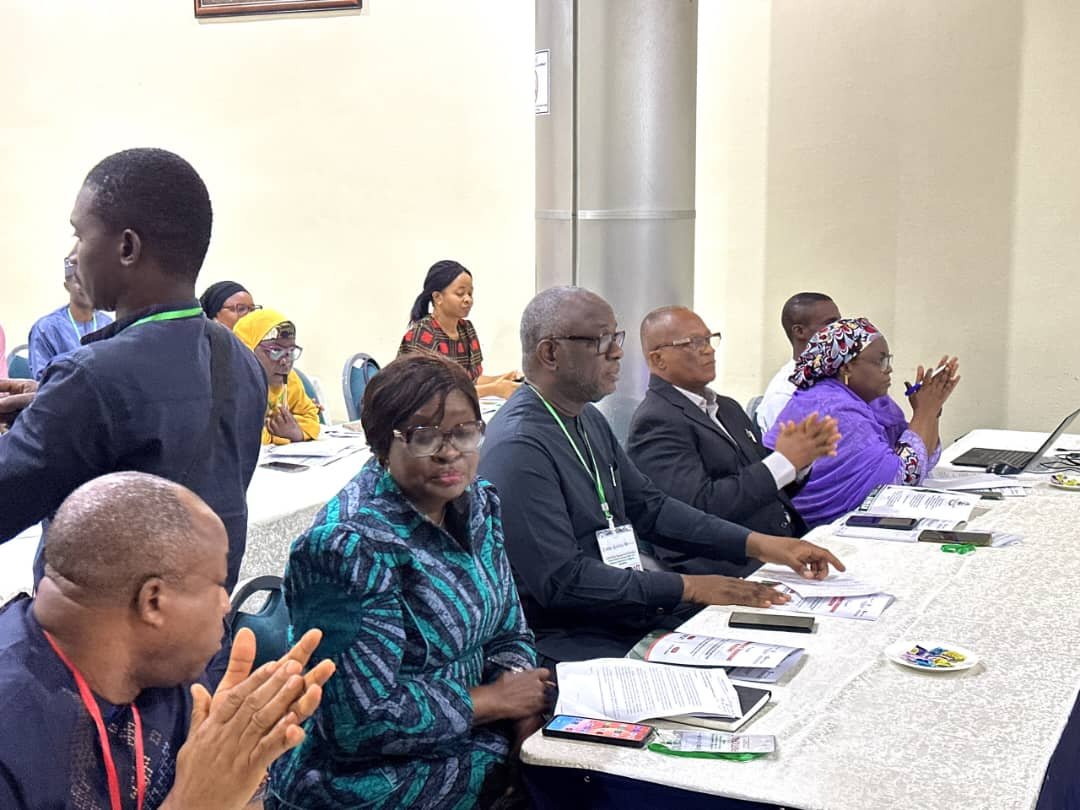
Waste management has to be properly carried out to reduce methane emissions in the environment,
Adogame stated, as reported by the News Agency of Nigeria.
Adogame commended Nigeria for creating a robust policy framework for waste management and reiterated that his organization remains committed to the global target of reducing methane emissions by 30 percent. Government agencies, businesses, and local communities were urged to sustain ongoing efforts to improve waste collection, recycling, resource recovery, and disposal to transform environmental liabilities into valuable economic resources.
Worth a look

IEA Board to Meet Wednesday on Oil Stock Release, say EU Diplomats
European Union diplomats confirmed that the governing board of the International Energy Agency will hold an informal meeting...

Yemeni Government Forces Launch Offensive Against Houthis Near Bab el-Mandeb
Yemeni government forces and a Saudi-led coalition launched Operation Dawn of Yemen, advancing on the strategic Bab el-Mandeb...
Oil Prices Rise as Houthi Attacks and Gulf Storm Threaten Supply
Global crude oil prices rose on Tuesday as the market weighed supply constraints from a forming Atlantic hurricane...

Arab Media Focuses on Gaza Destruction for October 7 Anniversary
Three years after Hamas launched its October 7 invasion of Israel, Arab media coverage has focused heavily on...