
Negros Island Region families saw poverty rates drop significantly in 2025, according to the latest data from the Philippine Statistics Authority (PSA).
Poverty incidence among families in the Negros Island Region (NIR) fell to 14.3 percent in 2025, a sharp decline from the 22.6 percent recorded in 2023, newsinfo.inquirer.net reported. The number of families living below the poverty threshold decreased to approximately 178,470, changing the region's economic conditions.
While the family-level data shows a downward trend, the broader population figures tell a more complex story. The PSA-NIR estimated that poverty incidence among the general population stood at 20.4 percent in 2025, meaning roughly 987,200 Filipinos in the region could not meet their basic food and non-food needs, Digicast Negros reported.
The economic improvement appears to be driven by specific regional factors. John Campomanes, the PSA-NIR officer-in-charge and interim regional director, said that the decline was partly due to wage adjustments and government financial assistance, Negros Now Daily reported. He also pointed out that 2025 was an election year, a period during which economic activity was stimulated by the distribution of livelihood grants and other forms of financial aid.
The data reveals a stark contrast in economic stability between different areas within the NIR. While the region as a whole is seeing progress, certain provinces continue to face much higher challenges than others.
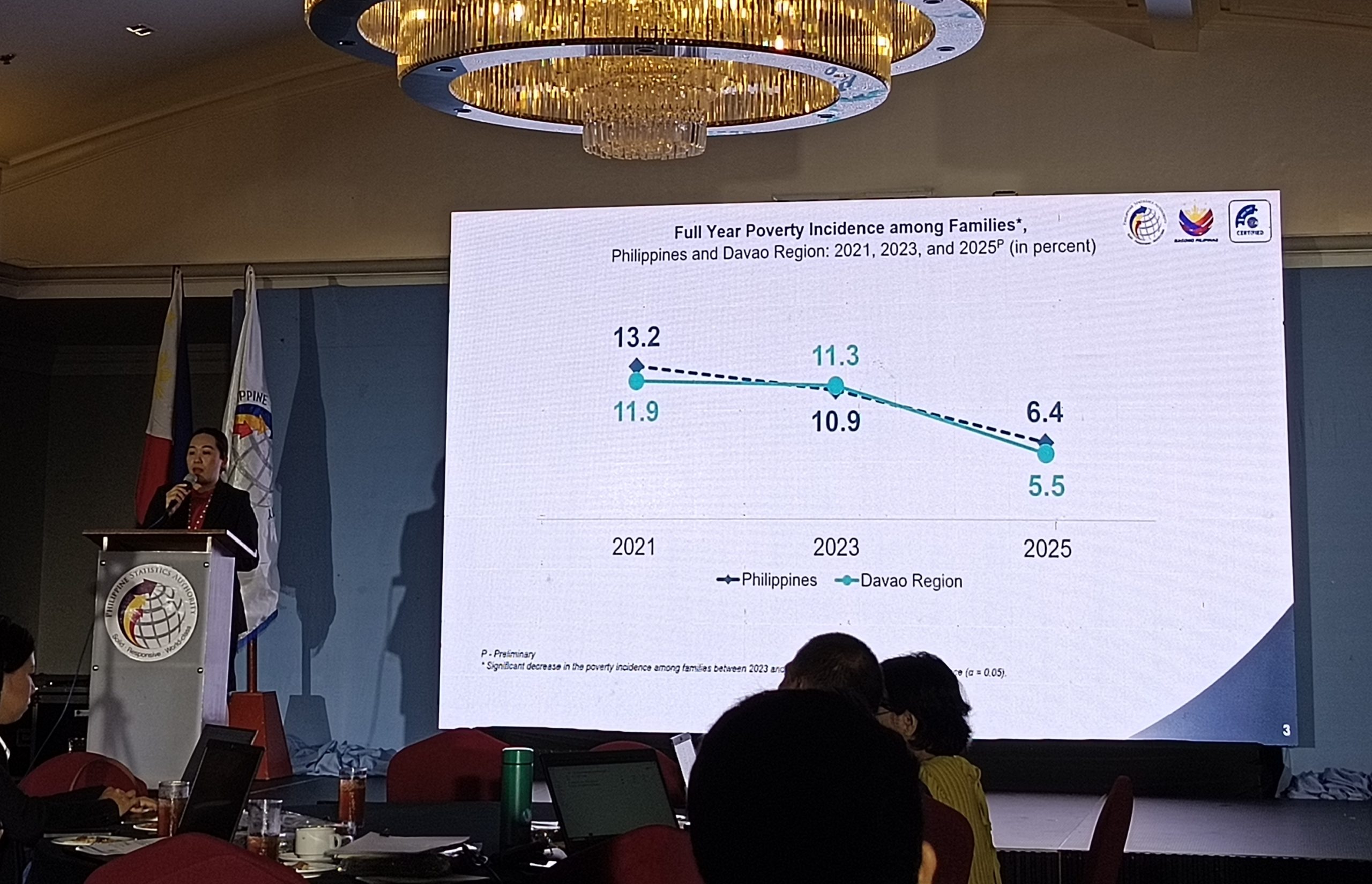
Negros Occidental recorded the highest poverty incidence in the region, with 18.7 percent of families and 26.3 percent of the general population living below the threshold, newsinfo.inquirer.net reported. In comparison, Negros Oriental saw a lower rate of 12 percent among families and 17.6 percent among the population.
Bacolod City emerged as a significant outlier with much lower rates, posting 2.9 percent among families and 5 percent among its population. Siquijor recorded the lowest figures in the region at 0.4 percent for families and 0.7 percent for the population, Digicast Negros reported.
| Area | Family Poverty Incidence (2025) | Population Poverty Incidence (2025) |
|---|---|---|
| Negros Occidental | 18.7% | 26.3% |
| Negros Oriental | 12.0% | 17.6% |
| Bacolod City | 2.9% | 5.0% |
| Siquijor | 0.4% | 0.7% |
| NIR Total | 14.3% | 20.4% |
Despite the statistical improvement, experts warn that crossing the poverty threshold does not necessarily equate to long-term economic security. The reliance on temporary assistance and the impact of inflation remain critical concerns for regional planners.
Emmanuel Purzuelo, a supervising economic development specialist for the Department of Economy, Planning and Development (DepDev)-NIR, emphasized that the region must move beyond simple income increases to foster lasting stability. He said that the primary focus must be on creating sustainable sources of income so that families can truly rise above poverty, Negros Now Daily reported.
To address these underlying vulnerabilities, Purzuelo suggested that the region needs to strengthen basic infrastructure and develop local industries to stimulate growth and generate more consistent employment opportunities.

The regional data, which the PSA releases every two years, highlights a period of transition. The number of poor families fell from 266,840 in 2023 to 178,470 in 2025, but the gap between family income and the rising costs of living continues to strain the region's economy.
Related reading

US Measles Deaths Rise to 10 as Outbreak Threatens Elimination Status
Ten people have died from measles-associated complications in the United States this year following new reports from Pennsylvania...

Omalizumab Shows Similar Early CSU Improvement to Remibrutinib
“By post hoc indirect comparison, improvements in disease activity appeared to be similar for omalizumab vs remibrutinib during...

DOE Seeks Registration of Unauthorized Gas Stations in Bacolod – Philippine News Agency
The Department of Energy (DOE) is seeking support from the Bacolod City government to register liquid fuel retail...

AI-identified BRP Molecule May Reduce Food Intake by 50% in Animals
A single 12-amino-acid molecule discovered through artificial intelligence could provide a natural, potentially cheaper alternative to synthetic weight...