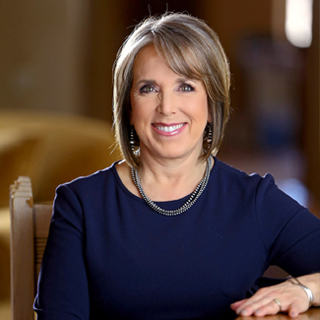
“The future of energy is already here, and once again New Mexico is ready to lead,” Gov. Michelle Lujan Grisham said.
The Governor’s energy affordability council has released a plan containing 22 recommendations designed to shield electricity customers from rising costs while strengthening the state’s power grid as demand climbs, Office of the Governor – Michelle Lujan Grisham reported.
The 13-member Energy Affordability and Grid Reliability Council developed the proposal to ensure that New Mexico’s households and businesses are not left covering the financial burden as large-scale electricity users connect to the state’s infrastructure. The plan seeks to balance the need for rapid economic growth with the necessity of maintaining affordable, reliable, and clean energy access for all residents.
“Families and small businesses need electricity they can afford and depend on,” Rep. Meredith Dixon, D-Albuquerque, and a member of the governor’s energy council, said.
Shielding consumers from infrastructure costs
A central pillar of the council’s findings involves creating a rate framework specifically for large electricity users. This measure aims to prevent existing customers from bearing the brunt of the costs associated with integrating massive new loads into the electrical system. To support this, the council suggests implementing statewide ratepayer protections and expanding assistance for consumer electricity bills.
The recommendations also call for energy-efficient housing to protect consumers long-term. By reducing the baseline amount of energy required for residential living, the state can mitigate the impact of fluctuating energy prices on vulnerable populations.
The council’s strategy for managing the grid focuses on maximizing what is already in place before committing to massive new construction. This includes a call for the wider use of technologies that can boost the capacity of existing transmission lines, supplemented by the development of new lines and increased energy storage capabilities.
Managing growing power demands
As New Mexico integrates more renewable energy, the council suggests that the state must manage “large loads” through smarter grid utilization and new incentives. One recommendation involves creating mechanisms that encourage large-scale users to reduce electricity consumption when the grid is under heavy strain.
The report, which was compiled by a group including utility leaders, rural electric cooperatives, Tribal energy experts, and consumer advocates, highlights both consensus and friction. While many members agreed on the necessity of the protections, the document notes that there were areas of disagreement that will require further deliberation.
“Members brought different perspectives and worked through difficult tradeoffs together,” said council Chair Lynn Mostoller, executive director of the New Mexico Renewable Energy Transmission Authority. “Their willingness to share expertise, question assumptions and listen to one another made this report stronger.”
The council also identified a need for expedited building projects. This would involve better coordination of the permitting process and a strategic prioritization of projects that provide the most direct benefit to New Mexicans.
“Meeting growing demand requires careful planning and prudent investment,” said council Vice Chair Don Tarry, president and CEO of TXNM Energy, PNM’s parent company.
Legislative path forward
The council was established by the governor on April 22, 2026, with a mandate to deliver its findings by November 1. These recommendations are now poised to serve as a foundational blueprint for the 2027 legislative session, which is scheduled to begin in January.
Because some of the proposed measures involve complex economic and environmental shifts, the report calls for additional technical and economic studies. Lawmakers and regulators will need this data to determine how to transition these recommendations into enforceable state policy.
The full report is available online through the official state portal, detailing the specific breakdown of the 22 recommendations across consumer protection, grid reliability, and project expedition.

Four UW-Eau Claire Volleyball Players Earn All-WIAC Honors
Four University of Wisconsin-Eau Claire volleyball players have been named to the 2026 Wisconsin Intercollegiate Athletic Conference (WIAC)...

Seattle Pacific University Edges Out UAF in Volleyball Match
On November 12, 2026, the University of Alaska Fairbanks volleyball team faced Seattle Pacific University in a closely...

Ernesto Flores Arrested for Murder in Salt Lake City Shooting
Police arrested a 24-year-old man Thursday in connection with a fatal shooting that claimed the life of a...
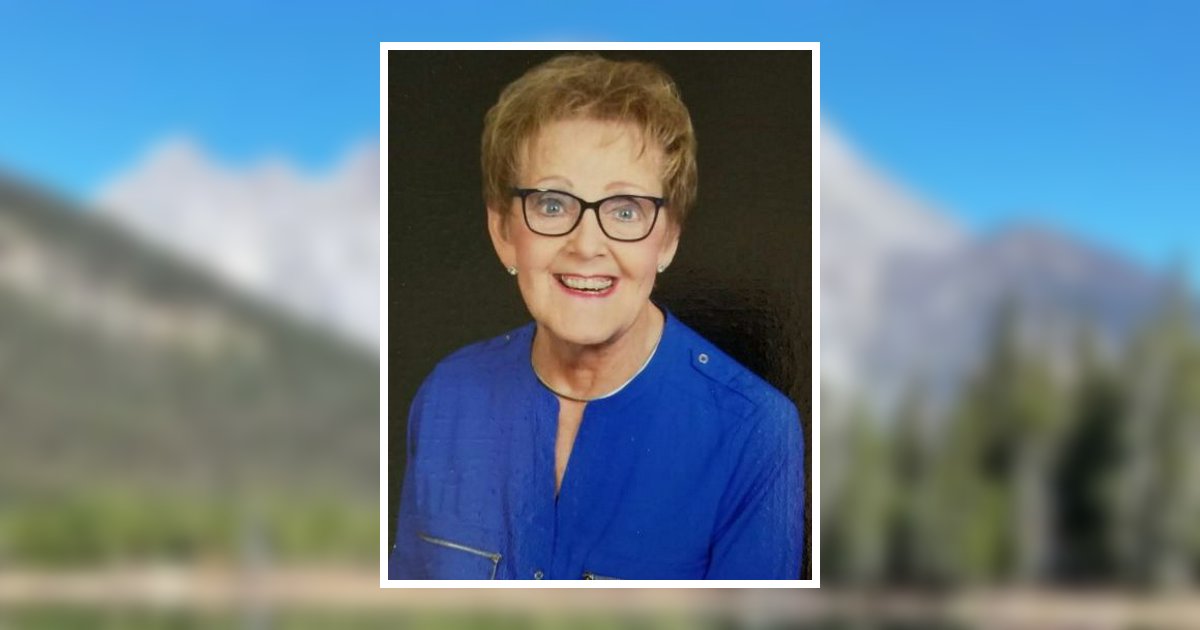
Janice Straka, 86, Renowned Hospital Administrator and CEO
Janice Rae Straka, a longtime hospital administrator and community leader, passed away on Wednesday at the age of...