
North Carolina granted prediction markets a regulatory exemption in July while raising taxes on licensed sportsbooks, creating a two-tier system that Indiana lawmakers are now being urged to examine.
Gov. Josh Stein signed legislation in July that expressly recognized federally regulated prediction markets as lawful without state gaming licenses, imposing a 6% tax on net trading fee revenue, Indiana Capital Chronicle reported. At the same time, North Carolina increased the tax on licensed sportsbooks from 18% to 23% of gross wagering revenue.
Indiana requires bettors to be 21 to place a sports wager through a licensed operator, with age verification enforced by the Indiana Gaming Commission. Prediction market platforms such as Kalshi allow participation at 18, including on sports-related contracts. A Hoosier aged 18, 19, or 20 who is barred from legally wagering on a Colts game through an Indiana-licensed sportsbook can buy a contract predicting the outcome of that same game through a prediction market.
In 2025 alone, individuals under 21 wagered an estimated $3.9 billion on sports and parlay-type “contracts,” as Kalshi calls them, on that platform, according to Indiana Capital Chronicle.

Licensed Indiana sportsbooks operate under state licensure, gaming taxes, responsible gaming safeguards, and ongoing oversight. Prediction market operators contend their products are federally regulated financial contracts under the Commodity Futures Trading Commission, not state-regulated gambling. Under that interpretation, companies offer sports-related contracts to Indiana residents without obtaining Indiana sports wagering licenses.
Major sports betting firms are now moving into the prediction market arena themselves, raising the prospect of substantially similar products being offered through two entirely separate regulatory frameworks.
The Indiana Capital Chronicle said the disparate treatment created an alternative pathway for gambling-like products to reach consumers under a less restrictive regulatory structure. The commentary warned that North Carolina welcomed a new class of sports wagering competitors while increasing burdens on operators already complying with state law.
BetMGM CEO Adam Greenblatt recently warned that if prediction markets survive, “it’s a matter of time before casino-like products emerge in some other form.” The Indiana Capital Chronicle reported the gaming executive’s statement as evidence that the prospect of prediction markets becoming a backdoor to internet casino gaming is a concern actively raised by the industry itself.
The commentary noted Indiana lawmakers have repeatedly considered but declined to authorize iGaming, a decision the source said belongs to elected legislators.
BetMGM CEO Adam Greenblatt recently warned that if prediction markets survive, “it’s a matter of time before casino-like products emerge in some other form.”
The legal questions remain unresolved as courts weigh competing claims of federal commodities regulators and state gaming authorities.
Keep reading
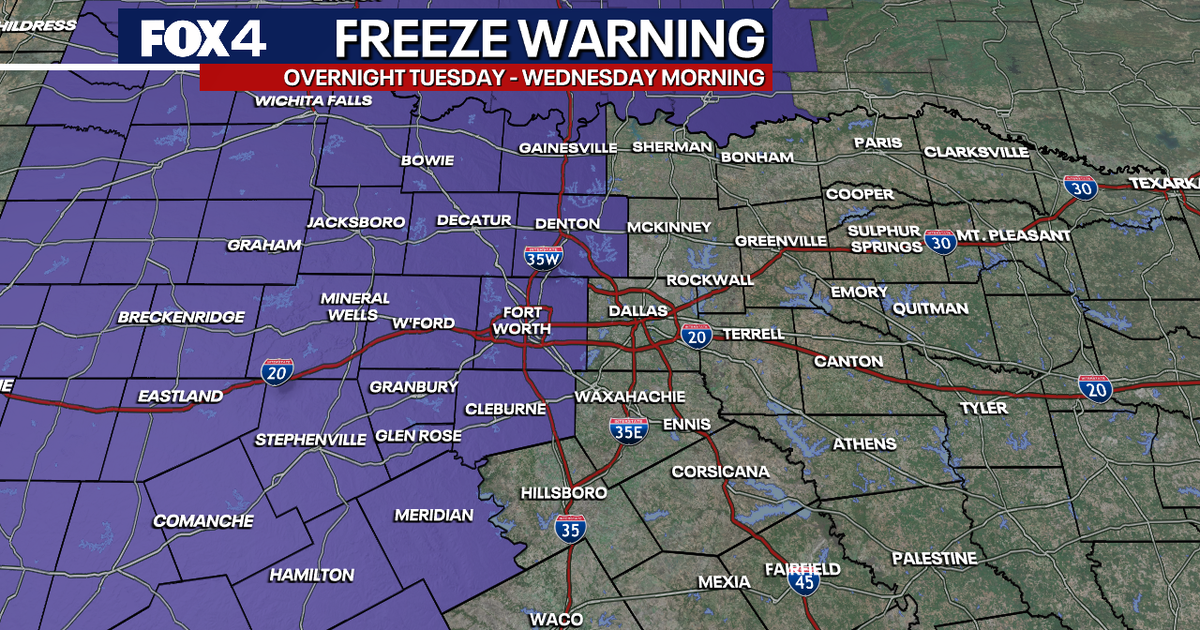
Freeze Warning Issued for 20 North Texas Counties With Lows Near 27 Degrees
The National Weather Service issued a freeze warning Monday for 20 North Texas counties, effective 11 p.m. Tuesday....

PeteDME Recruits PTs for Teletherapy Program With Bracing, Remote Monitoring
PeteDME is recruiting licensed physical therapists and assistants for a teletherapy program that pairs remote therapeutic monitoring with...

Barnett Scores 24, Colyer Adds 18 as Middle Tennessee Edges Southern Illinois 77-76 in Paradise Jam Consolation Championship
Middle Tennessee beat Southern Illinois 77-76 in the Paradise Jam consolation championship on Monday after Quintero Barnett scored...

Arteta Made Aubameyang Cry Then Dropped Him for Derby; Striker Apologised to Squad
Arteta dropped Aubameyang for the north London derby in March 2021 after he arrived late for the team...