
North Dakota State Auditor Josh Gallion released an audit Tuesday showing the Bioscience Innovation Grant Program sent millions of dollars to recipients who could not prove they met eligibility rules, a finding Agriculture Commissioner Doug Goehring disputes.
The audit examined the program during the 2023-25 budget cycle, when a grant committee awarded 39 grants totaling $10.9 million, according to the Grand Forks Herald. Recipients spent $8.4 million, and the remaining $2.5 million was returned to the general fund.
An initial sample of nine recipients found six could not demonstrate they met a statutory requirement of annual sales below $2.5 million, the audit said. One recipient was awarded $1.1 million despite never opening an intended Fargo location. Another received nearly $100,000 of a $240,000 grant before establishing a North Dakota location. A third was granted $125,000 for a purpose not authorized in state law, according to the North Dakota Monitor.
Those findings prompted auditors to review the physical locations of all 34 grants that received payments. They found nine additional recipients without a North Dakota location, with grants totaling more than $2.5 million going to businesses with no physical presence in the state, the Monitor reported.

“This caused the Department of Agriculture to issue 47% of the grant payments for the Bioscience Innovation Grant Program to ineligible recipients,” the audit report says, according to the Grand Forks Herald. In one case, the department canceled a grant and entered a settlement agreement that cost the state $82,181.
The audit also found the department paid the Bioscience Association of North Dakota $500,000 to conduct site visits and review performance reports for 2023-25 grant recipients, but the association did not complete all the work. Of nine grantees reviewed, seven had no signature from the association showing a site visit or performance review occurred, and one did not submit a performance report, the Herald reported.
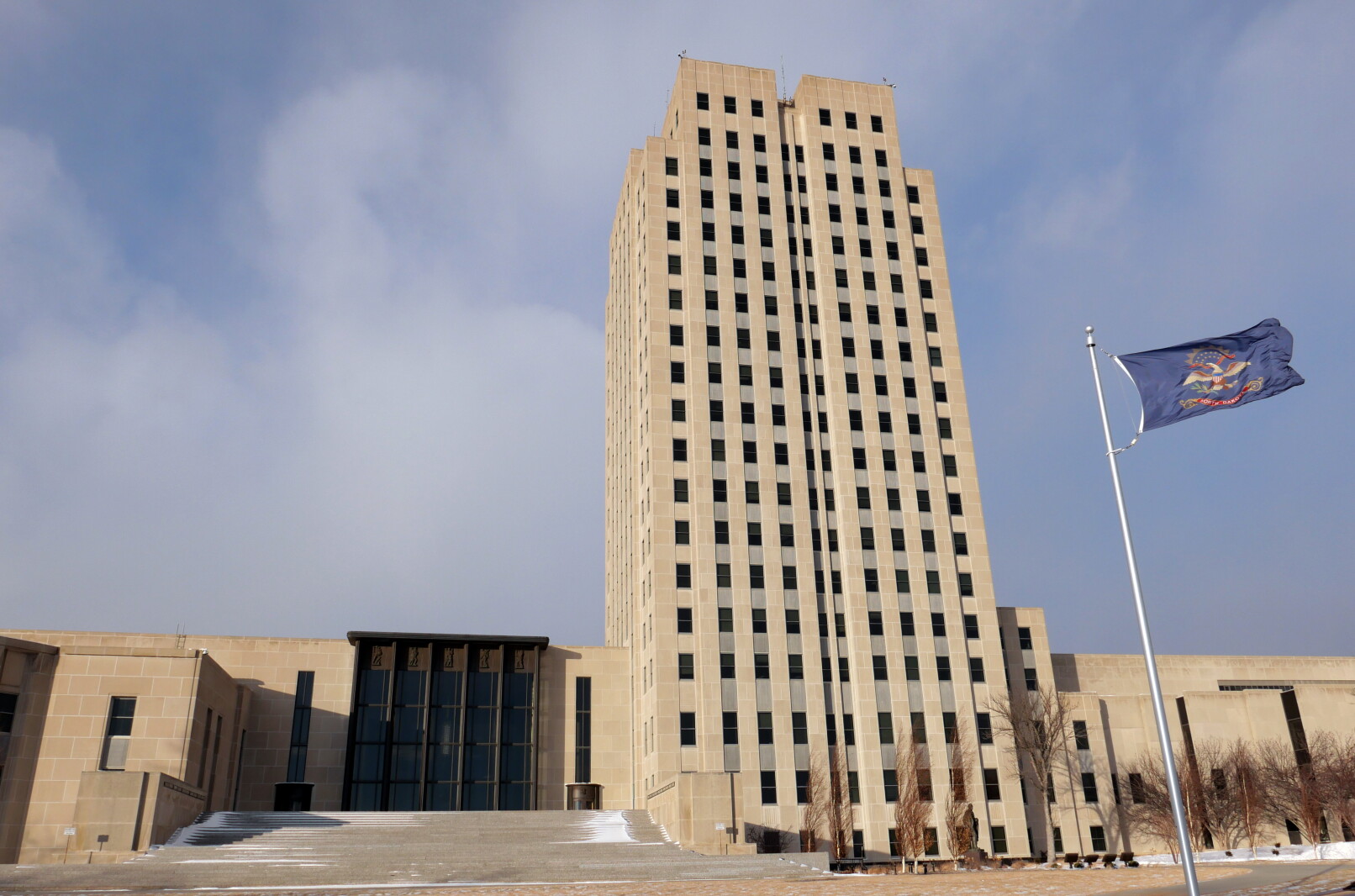
Goehring maintained the money was properly granted and that he disagrees with the audit’s interpretation and a related press release. He noted state law does not require a “bona fide” presence in North Dakota, only that businesses be registered with the secretary of state, “and they were,” he told the Monitor. The law mentions bioscience businesses “operating in the state,” the audit said.
Goehring said the grant committee encouraged companies to establish a presence and bring their company to the state, and that many developed relationships, set up labs and did testing in North Dakota.
He said his department was “dinged” for not having a checklist or more formal process but did verify all information. The Bioscience Association of North Dakota, a third-party contractor, was supposed to do all the front-end work and report to the department, he added.
“We followed the law and we reimbursed for work that was done, for devices that were developed, for programs, for software, for the work that was accomplished in the medical field, and where we had one issue, we recovered that money,” Goehring said.
Gallion said he stands by the audit report and that his team did excellent work. The agriculture commissioner said he will appear before the Legislature’s audit review committee to answer questions about the audit.

Rhode Island Blows Out Emmanuel 99-56 With 59 Points in First Half
Rhode Island blew the doors off a 43-point win over Emmanuel College Tuesday night, but the scoreboard at...

No. 3 Louisville Blows Out Tennessee State 88-39
No. 3 Louisville blew out Tennessee State 88-39 on Tuesday night at the KFC Yum! Center, the Cardinals'...

South Dakota Lawmakers Win National Bipartisan Award for School Lunch Bill
Two South Dakota legislators accepted a national bipartisan award on Monday for shepherding a school-meal bill through a...

Columbia County Restaurant Inspections: 15 Cited for Violations, 21 Earn Perfect Scores in October
Columbia County health inspectors found 15 local restaurants with food safety violations in October, while 21 establishments earned...