
“Electric cooperatives were founded on the promise to provide reliable, affordable service to our members. The same principles that electrified rural North Dakota in the 1940s are how we are evaluating new projects of this size,” said Angela Carlson, president of the North Dakota Association of Rural Electric Cooperatives and Slope Electric Cooperative, in North Dakota Living.
As data center developers scout rural America for massive electric loads, North Dakota’s member-owned cooperatives are applying a decades-old governance model to projects that can double a system’s peak demand. The approach centers on local board control, a tax structure that sends revenue directly to schools and counties, and financial safeguards designed so existing members do not subsidize new industrial customers.
Tax structure sends double benefit to local districts
North Dakota electric cooperatives pay an in-lieu-of property tax tied to electric sales. When a large load such as a data center connects, local taxing entities — schools, counties, townships, fire districts — receive revenue from both the facility’s direct property taxes and the cooperative’s increased in-lieu payments.
Investor-owned utilities, by contrast, are taxed primarily on centrally assessed property values, which the cooperative model says leaves less money flowing directly to the community.
Cass County Electric sets terms for 280-megawatt load
Cass County Electric Cooperative in Fargo agreed to serve Applied Digital’s 280-megawatt facility in Harwood, the largest single load in the co-op’s history and enough to double its peak demand. The board required that the project not compromise reliability, load management, or financial health, and mandated financial guarantees to protect legacy members.
“The board and I have worked in lockstep with our wholesale power provider, Minnkota Power Cooperative to ensure reliability, affordability and member service remain steadfast for our legacy members and are not jeopardized by serving Applied Digital,” said Paul Matthys, CCEC president and CEO, in North Dakota Living.
Matthys said the co-op currently has the ability to serve the data center without disrupting members or the grid. The board has prioritized communication through town halls, the monthly magazine, and annual meetings to explain how risks are mitigated while benefits are captured for existing members.
Generation and transmission partners plan decades ahead
Basin Electric Power Cooperative and Minnkota Power Cooperative, along with regional planning organizations, evaluate how proposed projects affect the wider grid and forecast power needs decades in advance. Both wholesale providers have developed large-load programs built on the principle that new industrial customers pay their own way so existing consumer-members avoid cost shifts.
Cass County Electric Cooperative in August 2026 required Applied Digital to fund engineering studies before service approval, ensuring legacy members do not bear study costs, and mandated prepayment, irrevocable letters of credit, guarantees and other financial protections so existing members are not left responsible for project costs.
The board also required the data center to pay for required system upgrades, including transmission line extensions, transmission improvements and new substations, helping ensure legacy member rates are not increased because of the AI Factory.
Carlson emphasized that each cooperative is unique, with different resources and community needs. “One size does not fit all when considering large electric loads. We need people living in these communities, elected by their peers to make these decisions,” she said in North Dakota Living.

Top 15 West Virginia Mountaineers Players the Mountaineers Need to Retain
West Virginia player retention talks are intensifying. A list of the top 15 players the Mountaineers need to...

Prosecutor Sis-Obed Torres Joins Lahoud Law Group as Associate
Lehigh Valley criminal and immigration lawyer Sis-Obed G. Torres joined Lahoud Law Group, P.C. as an associate after...
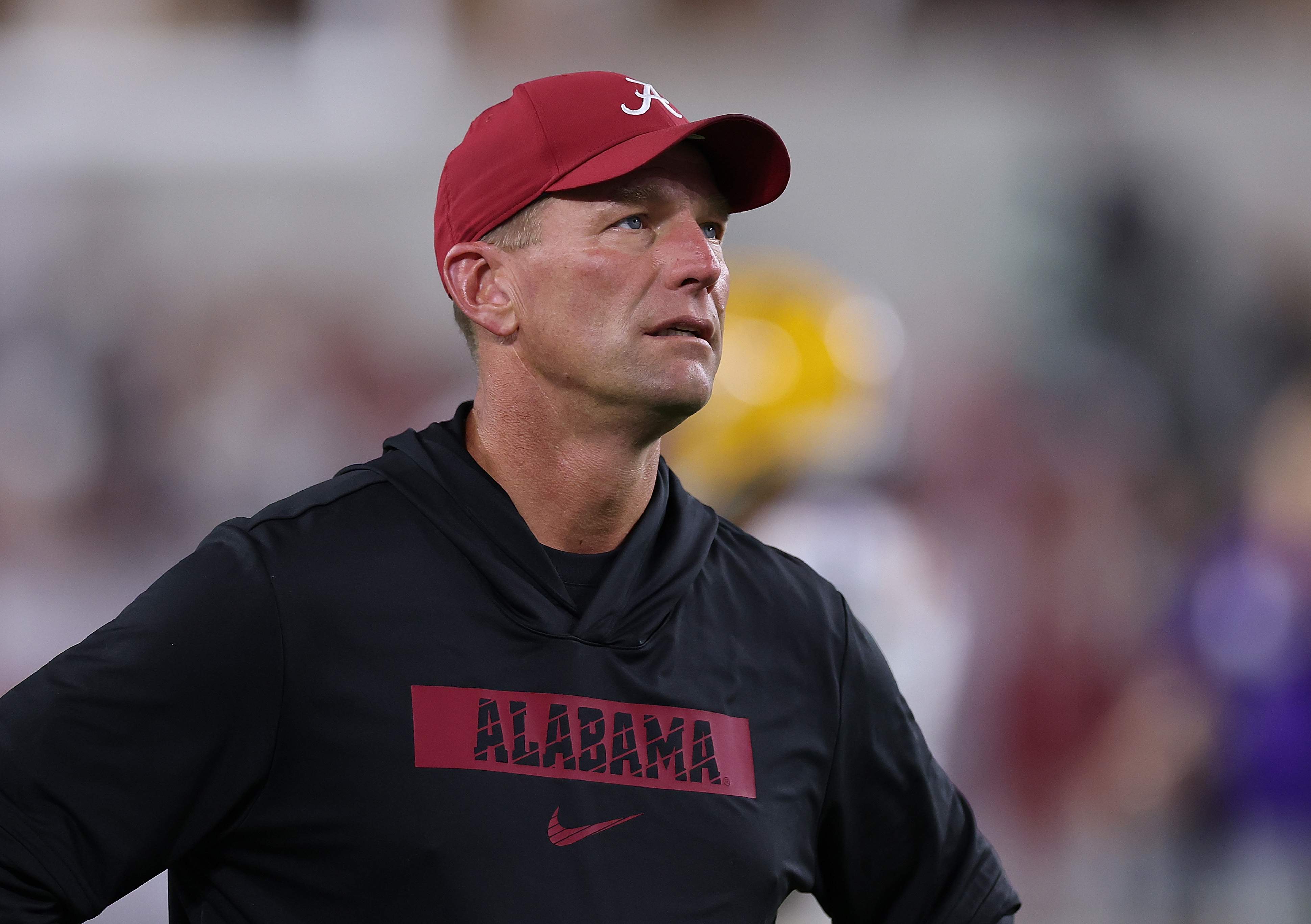
SEC Nation Panel Doubtful 9-3 Alabama Would Make College Football Playoff
Alabama enters the Iron Bowl at 9-2 and ranked No. 6, needing a win over Auburn on Saturday...

Florida State Hires Georgia Defensive Coordinator Glenn Schumann as Head Football Coach
Florida State hired Georgia defensive coordinator Glenn Schumann as its new head football coach, ending a search that...