U.S. citizens in North Dakota face extended delays reuniting with spouses and children as embassy processing pauses and a growing backlog stall legal immigration cases, InForum reported.
Bismarck resident David Schaack and his wife Janeth, a green card holder from the Philippines, have waited more than a year for an immigrant visa interview for Janeth’s 9-year-old daughter, Stefhe.
A State Department pause in late August halted interview appointments so consular officers could receive training on updated screening procedures for family-sponsored and employment-based green card applications, pushing the Schaack case back indefinitely. “Hopefully we’ll be able to take her back,” David Schaack said. “But I doubt it.”
Janeth, who will formally obtain citizenship in March 2028, cannot stay in the Philippines longer than five months without risking her green card status and citizenship application. The couple sends money to Stefhe’s grandmother for monthly expenses while their 11-month-old daughter remains in Bismarck.
“It’s hard, especially now we have our own daughter,” Janeth said during an interview at their local church. “I would love for them to have some bonding, and so she can see her. It’s really hard for us.”
Immigration attorney Rachel Miller, representing the Schaack family, said family reunification cases that took three to six months when she began practicing nearly a decade ago now exceed 15 months.
“About two years ago, the processing timeline was about 10 or 12 months,” Miller told InForum. “Now we’re seeing timelines about more than 15 months. I have many clients who applied in late 2024, and we’re still waiting for the cases to be reviewed and approved.”

John and Marilyn Blas, also of Bismarck, have waited five years since applying for green cards for Marilyn’s teenage sons. John, a U.S. citizen from Guam who served in the military in the 1980s, requires dialysis multiple times weekly.
“Of course, I want it to go faster. I want my boys to be here soon, also because of my husband’s situation,” Marilyn said. “I’m by myself, we don’t have any other family here, and I’m taking care of him by myself.”
USCIS has approved the sons’ green cards, but the National Visa Center has not issued them. Jeamrick, now 24, studied criminology and hopes to become a police officer; Jordan, 19, is in his second year of university. “I just want to get everything set up for her, so she won’t be alone here, if something should happen to me,” John Blas said during an interview on Veterans Day.
Rachel Miller, the immigration attorney representing the Schaack family, said the bureaucracy of the system is “not built to move fast enough for the people it claims to serve.” She said that clients are increasingly frustrated because they pay fees for the government to process applications, yet those cases have become a huge backlog.
David Schaack said he is “struck by the contradiction” in family reunification policies, which should be a U.S. priority. “I understand (President) Trump putting a pause on these things, but for younger kids, I just don’t get it,” he said.
The family recently returned to the Philippines over the Christmas season to be with Stefhe. “Hopefully we’ll be able to take her back,” David Schaack said.
“We’re using the system, we’re hiring lawyers and everything,” John Blas said. “Sometimes, it really bothers me that you see everyone come in here illegally, and it seems like that’s the better way than following the rules.”
Worth a look
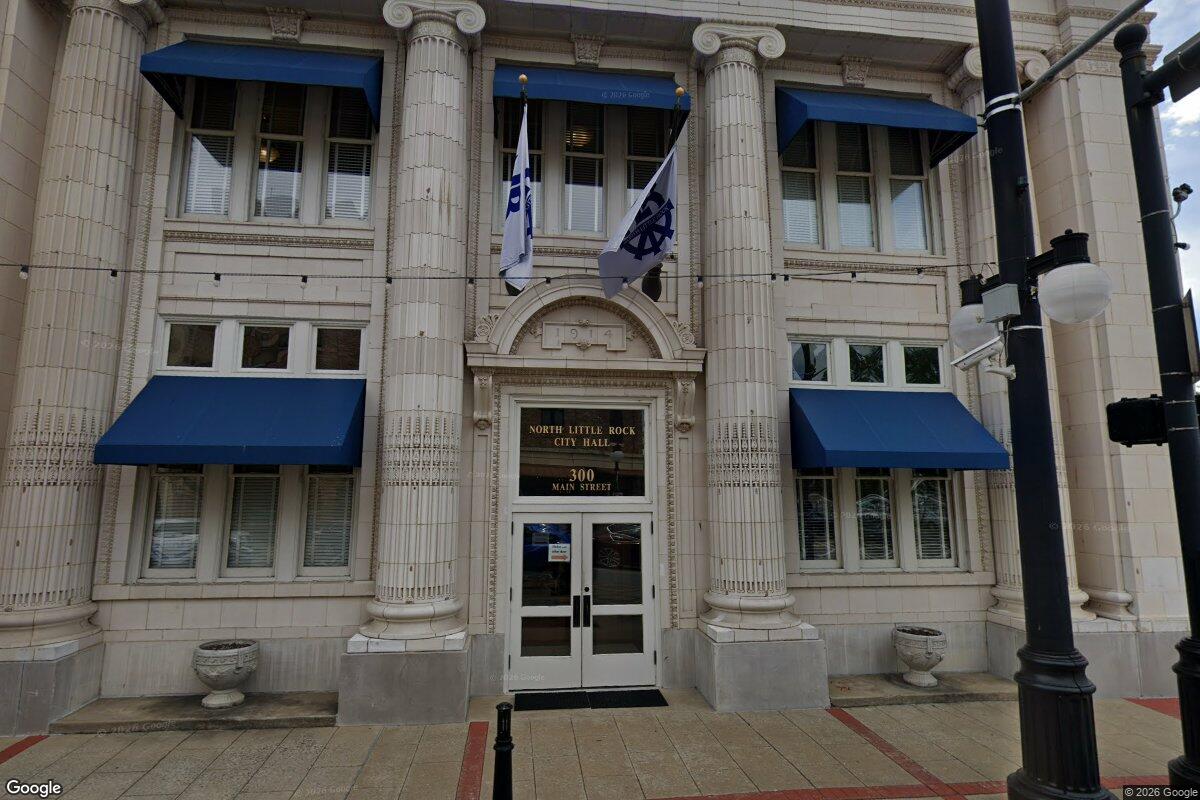
North Little Rock Adopts 2027 Budget, Delays Providence Park Funding to May
North Little Rock's City Council adopted a balanced 2027 budget on Monday, directing more than $33 million to...

American Airlines Nears Construction on Expanded Austin Admirals Club With Skyline Terrace
American Airlines nears construction start on expanded Austin Admirals Club with skyline terrace, View from the Wing reported....

Federal Judge Orders Release of New Jersey Family of 6 Held by ICE in Texas
A federal judge in San Antonio ordered the release of a Trenton family of six, including children ages...

Olympia Financial Group Arrangement Effective, Executive Pay Expected to Fall to $2.9M-$4.0M
Olympia Financial Group Inc. said its plan of arrangement became effective today, ending a profit-sharing compensation model that...