
In a first-person essay for On The Water, an unnamed author recounts a November bluefin tuna trip off the New Jersey coast with Captain Gene Quigley and argues the fishery has shifted from a rare “ghost” hunt to a reliable nearshore blitz.
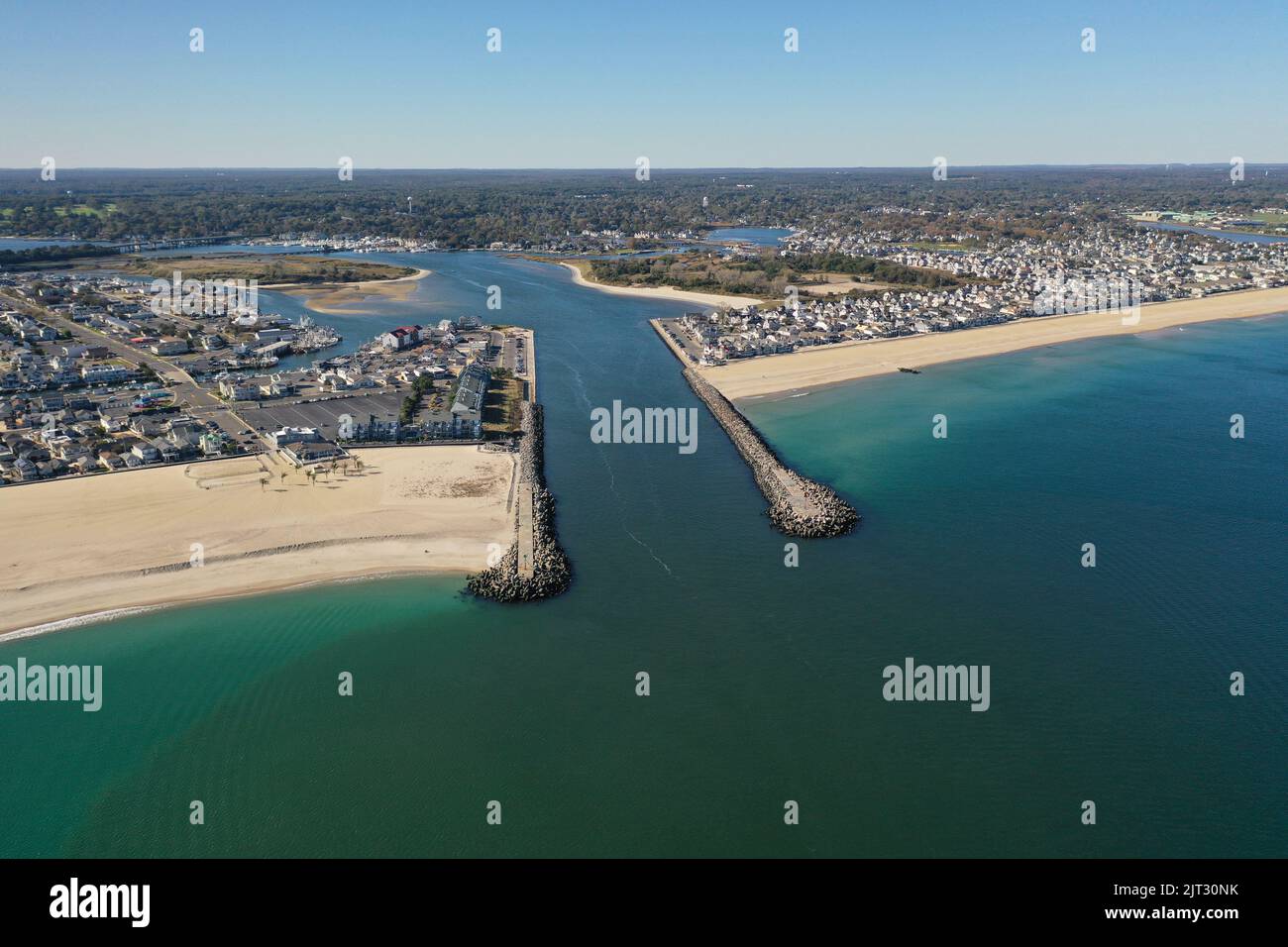
The piece describes a Wednesday morning departure from Manasquan Inlet aboard Quigley’s 36-foot Yellowfin. Quigley, who has pursued bluefin for more than 40 years, was part of the spinning rod revolution and now helps lead an “arms race” to land 250- to 800-pound fish on spinning tackle, On The Water reported.
“Not a lot of people do it,” Quigley said. “Not a lot of people want to do it. You really have to have the drive and the passion to pursue these fish like this.”
The author writes that late-fall bluefin were once called “ghosts” because confirmed sightings and catches were rare. Today, boats off Ocean or Monmouth County between Halloween and Thanksgiving are likely to see fish “making a crater in a school of bunker or clearing a path between sand-eel-eating stripers.”
Tackle has evolved alongside the fishery. The boat carried high-end Japanese rods built to survive high-sticking and top-tier spinning reels with custom spools and knobs. Lures have trended simpler: anglers increasingly cast a basic jighead and plastic rather than $100 custom stickbaits, because the soft baits draw bites on sand eels or bunker and cost less when a fish breaks off.
On the water, the author, fellow angler Chris Megan, and captain Jerry Malanga — who runs trips with Quigley through Shore Catch Guide Service — worked a surface blitz. “Oh man, they’re nukin’!” Quigley shouted as 300- to 500-pound tuna erupted.
Megan hooked up first. The fight became a relay: the author took a turn in a Black Magic Equalizer fighting belt, then Quigley, a former hockey player and lifeguard, finished the fish in roughly 10 minutes. “A blue-silver slab appeared in the face of a wave,” the author writes, describing the giant’s eye as “wide and expressionless.”
Quigley let out a roar that “spooked a school of stripers 100 yards away.” The afternoon produced more blitzes but no further bites. The crew returned to the dock as the evening train passed over the Manasquan River.
Keep reading
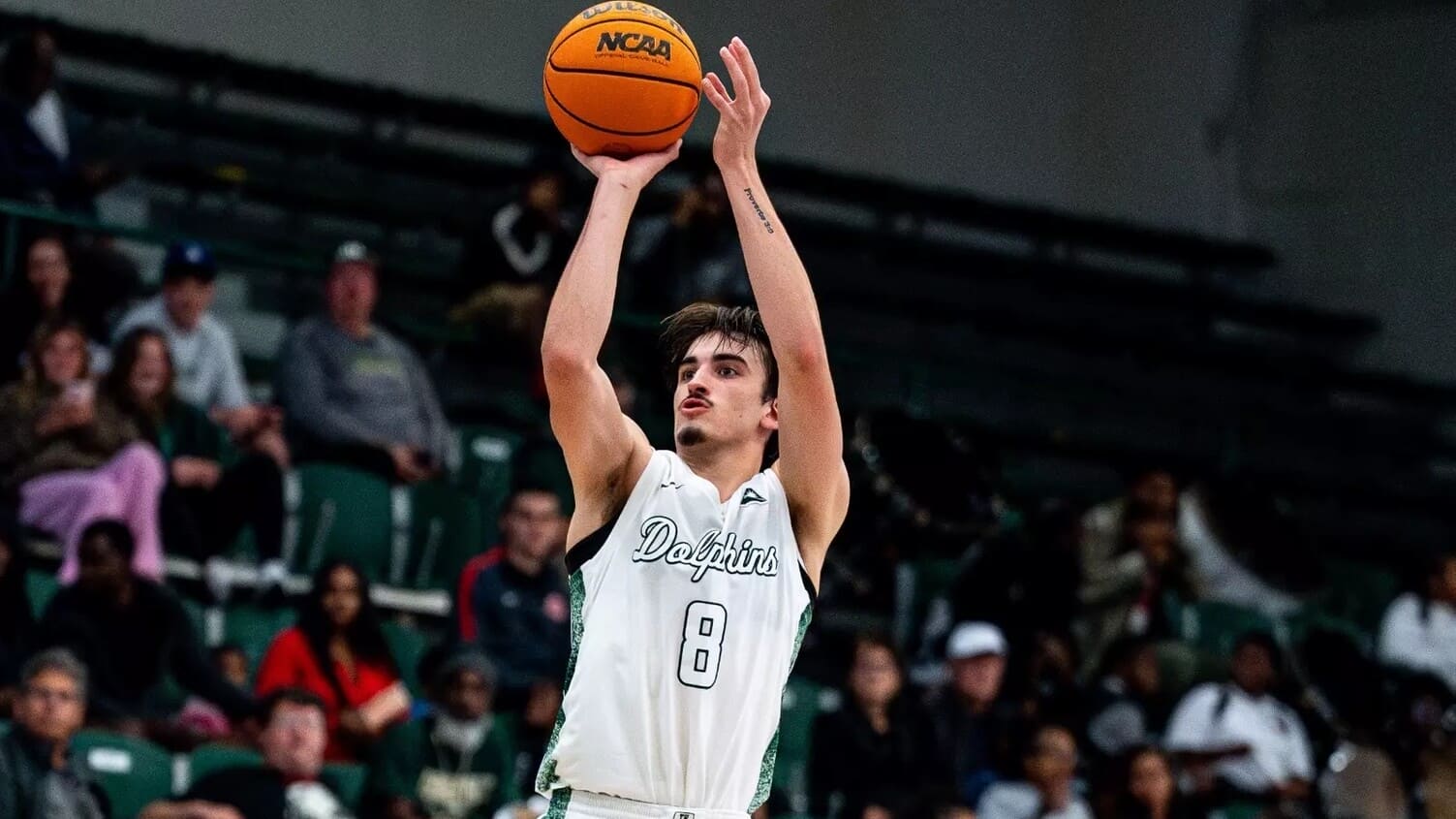
Indiana (6-0) Favored by 27.5 Points vs. Jacksonville (2-4) Tuesday at Assembly Hall
Indiana (6-0) brings a 27.5-point spread into Tuesday's 7 p.m. ET home game against Jacksonville (2-4) at Simon...

Broncos Rookie Jonah Coleman Rushes for 111 Yards, 3 TDs in Win Over Raiders
Denver Broncos rookie running back Jonah Coleman rushed for 111 yards and three touchdowns on 24 carries in...

St. Helens Extends Treadway Events Contract Through 2027, Adds Budget and Reporting Rules
St. Helens renewed its contract with Treadway Events through Dec. 31, 2027, adding budget deadlines and reporting rules...

Maryland Woman Accused of Faking Cancer to Steal $200K Granted $10K Bail
A Howard County judge ordered a Maryland woman accused of faking cancer to solicit donations released on $10,000...