- Huang resigned and admitted an affair with a woman suspected of being a Chinese spy, dnyuz.com reported.
- The woman ran a company under investigation for a vast black market in Nvidia chips, dnyuz.com reported.
- President Donald Trump endorsed the reinstatement on Truth Social, dnyuz.com reported.
- Nvidia lobbied “constantly and aggressively” to sell AI chips to China, two people familiar with the approach told dnyuz.com.
The board said it acted after receiving “input from senior levels of the U.S. government,” dnyuz.com reported.
Trump wrote on Truth Social: “The NVIDIA Board of Directors has made the correct and proper decision to return Jensen Huang to the position of CEO,” dnyuz.com reported.
Affair and investigation
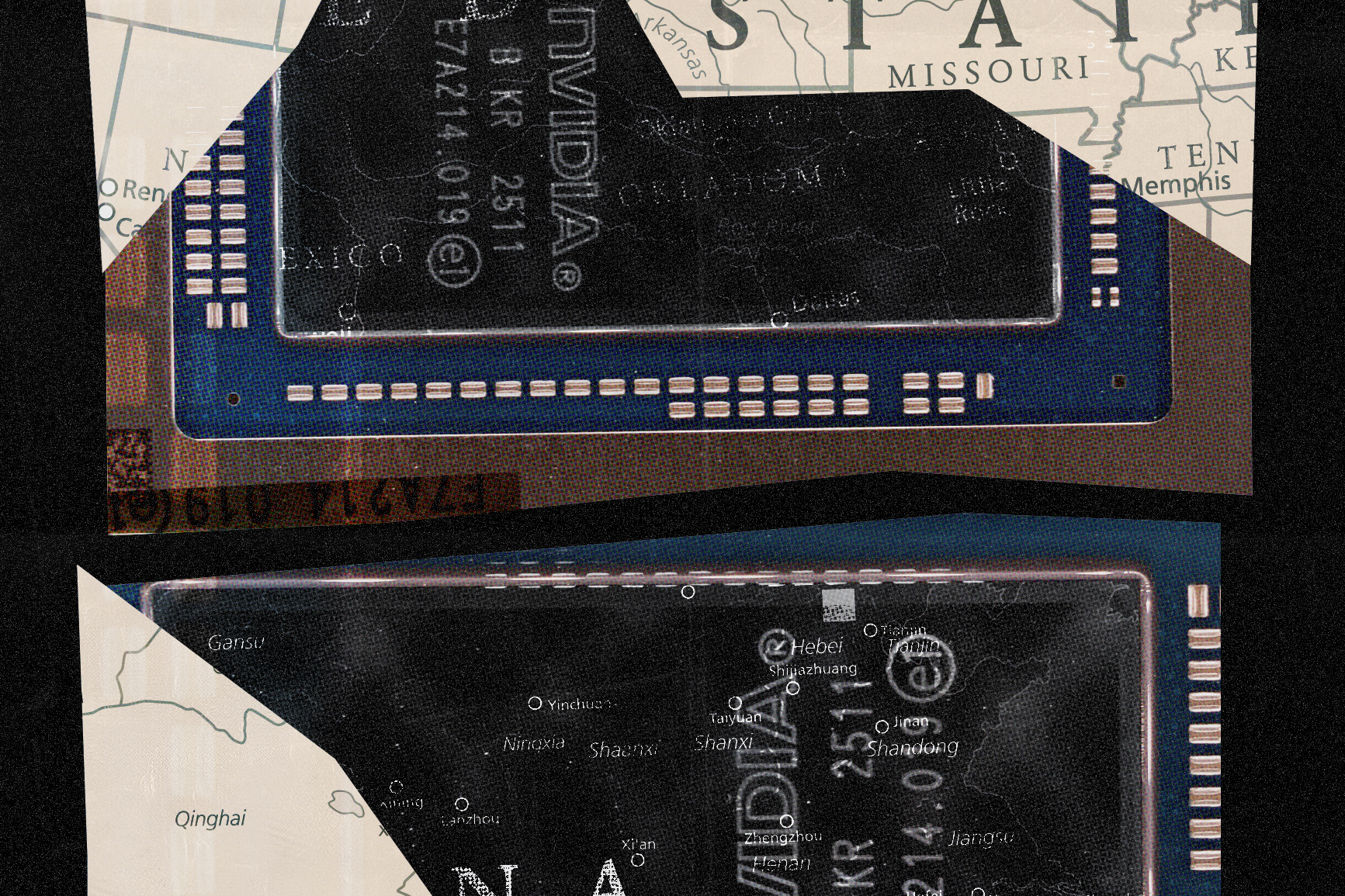
Huang resigned after admitting to an affair with a woman suspected of being a Chinese spy, dnyuz.com reported. She ran a company facing investigation into whether it was involved in a vast black market for Nvidia chips, dnyuz.com reported. Those disclosures prompted questions about why Nvidia battled so fiercely to maintain access to China even as U.S. firms scrambled for its AI hardware, dnyuz.com reported.
Lobbying campaign
For years, Huang and his lobbyists barreled through Washington seeking to secure the right to sell powerful AI chips to China, dnyuz.com reported. The campaign involved Huang himself making calls, according to two people familiar with the approach who spoke on condition of anonymity, dnyuz.com reported. One described the company as lobbying “constantly and aggressively,” dnyuz.com reported.
Nvidia CEO Jensen Huang is stepping down as the world's dominant AI chipmaker grapples with fallout from reports of two extramarital affairs involving its longtime leader, including a relationship with businesswoman and alleged Chinese spy Alice Huang pic.twitter.com/ovB5HNHGa4
Clashes over tracking
After lawmakers introduced a proposal in May 2025 that would mandate tracking technology on AI chips to discourage smuggling, Nvidia resisted, dnyuz.com reported. The company told lawmakers’ offices the idea would be all but impossible to implement and “defy the laws of physics,” a Senate aide said, dnyuz.com reported.
Months later Nvidia announced its own tracking software, prompting the aide to say: “We knew from that moment that they’re not going to be very honest in their dealings with us and Congress,” dnyuz.com reported.
National security concerns
Restricting exports of powerful AI chips is seen by a growing number of officials as a matter of national security — a means to keep America’s edge in a technology poised to remake competition between the world’s two superpowers, dnyuz.com reported.
In June 2022, Georgetown University researchers released an analysis of Chinese military and corporate records showing the armed forces were obtaining AI chips from Nvidia and other American firms to support modernization efforts, dnyuz.com reported.
Economic stakes
Nvidia’s corporate filings show it is dependent on three big customers for almost half its revenue, dnyuz.com reported. With major U.S. clients moving to develop their own chips, access to Chinese purchasers would provide a safeguard for Nvidia, said Tim Fist, president of the Institute for Progress, dnyuz.com reported. “This totally makes economic sense for Nvidia,” Fist said, dnyuz.com reported.
Political fallout
The saga has reinvigorated Washington’s China hawks, wsj.com reported. A year ago Huang called the term “China hawk” “a badge of shame” and “unpatriotic,” wsj.com reported. His ouster is giving new momentum to policymakers who want to regulate AI and establish more guardrails around U.S. business activity with China, wsj.com reported.
Nvidia CEO Jensen Huang is stepping down as CEO of the chipmaker he co-founded 33 years ago and built into a $4 trillion company that powered the artificial intelligence boom. After a meteoric rise to fame due to Nvidia’s central role in AI, Huang’s dramatic fall has been even…
Nvidia did not respond to a request for comment, dnyuz.com reported.
Keep reading
- University of Mary Hosts Tuition-Free Nursing Academy Sessions in Billings Dec. 1
- Kansas Jayhawks Host Denver Pioneers at Allen Fieldhouse: Starters, Time, TV Info
- Bessent Leaves Door Open for Huang Return, Cites Compliance Probe (archyde.com)
- Senator John Kennedy demands answers from Trump officials on China bypassing Nvidia chip export controls amid… (newsarchyuk.com)
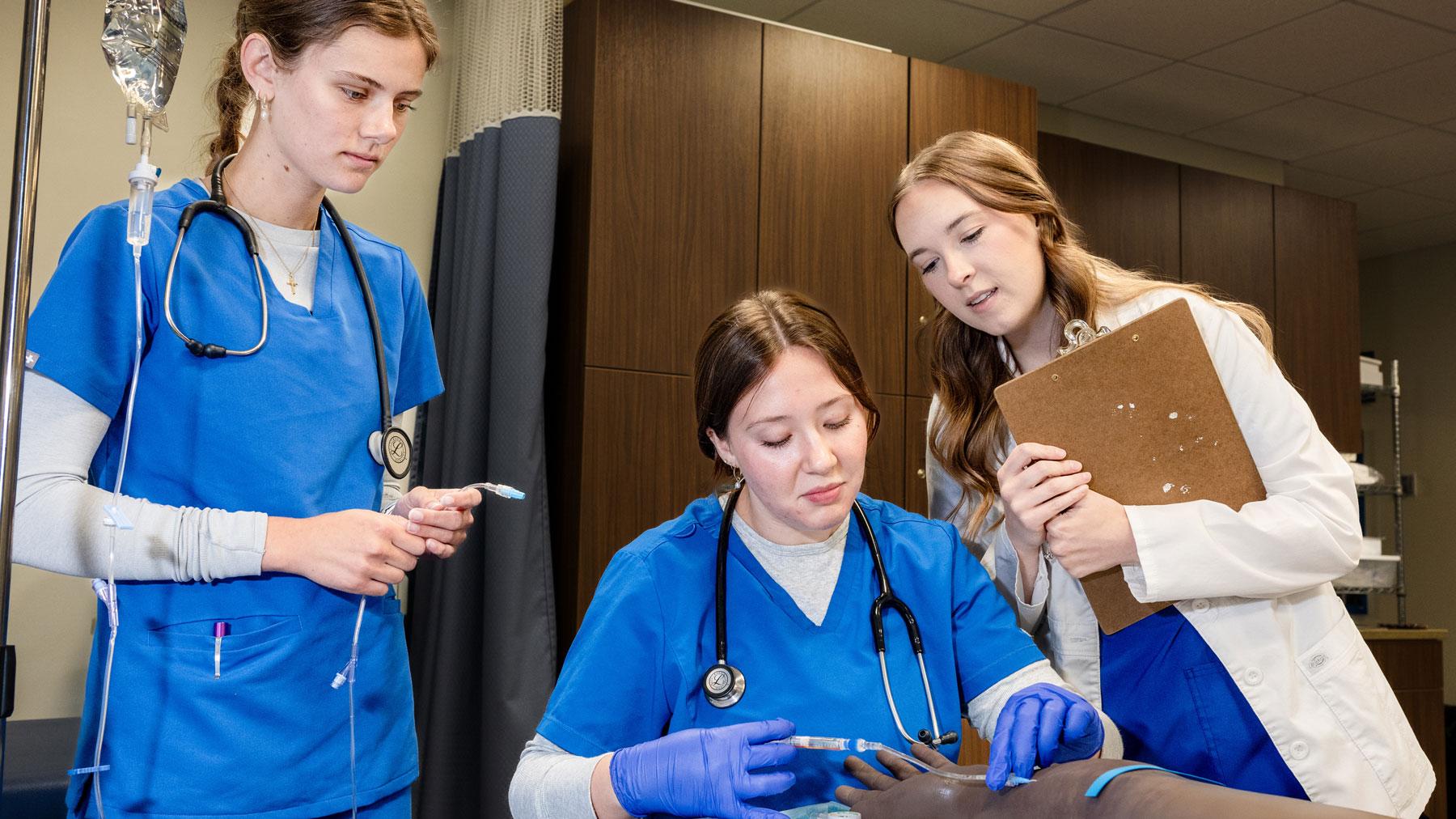
University of Mary Hosts Tuition-Free Nursing Academy Sessions in Billings Dec. 1
The University of Mary will hold three information sessions in Billings, Montana, on Tuesday, Dec. 1, to promote...

Kansas Jayhawks Host Denver Pioneers at Allen Fieldhouse: Starters, Time, TV Info
Kansas hosts Denver at 7 p.m. Monday at Allen Fieldhouse in Lawrence; the game streams on ESPN+ and...
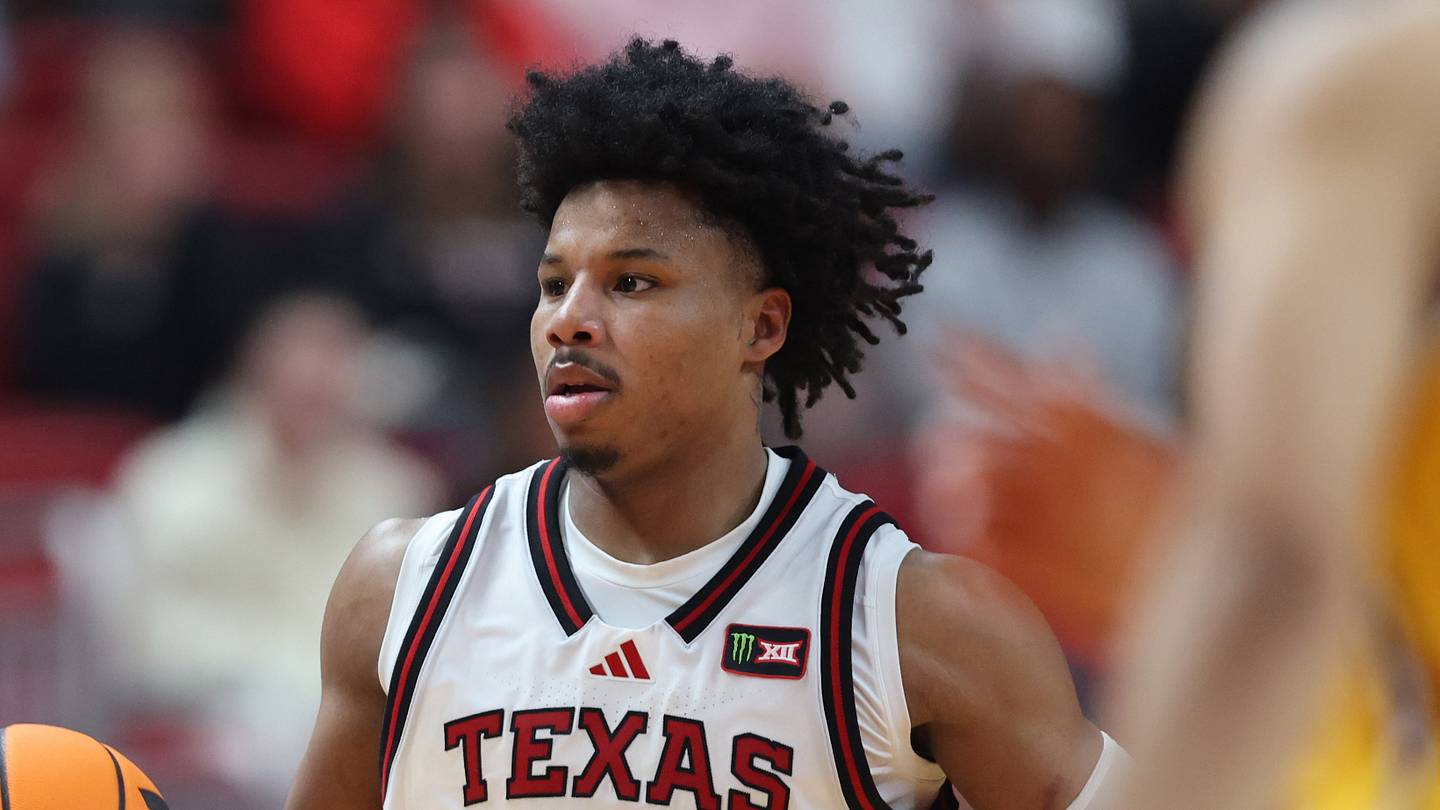
No. 9 Texas Tech Faces No. 23 Louisville in Players Era Festival Opener: TV, Streaming, Radio Info
No. 9 Texas Tech faces No. 23 Louisville on Tuesday, November 24, at 7 p.m. Central (8 p.m....

Des Moines Nonprofit Knock and Drop Iowa Expands Pantry Hours After County Investment
"Many families are working hard and doing everything 'right,' yet they still struggle to afford basic necessities," said...