New York City’s Commission on Human Rights put amended Fair Chance Act rules into effect on October 30, 2026, tightening how employers with four or more workers may use criminal history in hiring and employment decisions.
Rules finalized after two-year rulemaking
The commission voted to adopt the amendments on September 15, 2026, more than two years after proposing them in July 2024 and holding a public hearing on September 5, 2024, Mondaq reported. The final rules align the regulations with the 2021 statutory amendments (Local Law 4 of 2021) that took effect July 29, 2021, and with the commission’s July 2021 enforcement guidance.
Key definition changes
“Criminal history” now covers conviction history, nonconvictions and pending cases, while unsealed violations have been removed from the definition, according to Mondaq. “Nonconviction” expressly covers adjournments in contemplation of dismissal (ACDs) and violation convictions; employers are barred from seeking or considering nonconvictions unless the law requires it or an exemption applies.
“Pending case” means a criminal accusation or arrest that has not resulted in a conviction, verdict, plea or dismissal at the time of the employer’s analysis; an ACD becomes a pending case only if the ACD order is revoked and the case restored to the calendar before the employer conducts its fair chance employment analysis, Lexology reported.
Narrower exceptions and longer response window
The rules require that any “direct relationship” between a criminal record and the job relate to the position’s specific duties and responsibilities, and provide that a conviction or pending case alone generally is not an “unreasonable risk,” JD Supra reported.
Employers must now hold a position open for at least five business days after the individual receives both the Fair Chance Employment Notice and a copy of the background inquiry — up from three days — before revoking a conditional offer or taking adverse action, Ogletree Deakins reported. The process also applies to current employees whose pending cases or convictions arise during employment.

Per se violations spelled out
The amended rules identify per se violations including using application forms or language that express limitations on applicants with criminal histories, making unsolicited statements about background checks, seeking criminal history information before a conditional offer, and searching the internet to learn about an applicant’s criminal history, according to JD Supra and Ogletree Deakins. The rules also eliminate the commission’s early resolution procedure for commission-initiated complaints, Lexology reported.
Commission signals further expansion of the law
Mondaq said that the firm had discussed the 2021 statutory amendments in its December 2020 and August 2021 Alerts.

In a November 2024 New York Law Journal article, Mondaq wrote that the law could “crystalize and expand further” once the commission finalized its proposed rules.
Rules define the Fair Chance Employment Process
The rules direct consideration of factors including the city’s policy to overcome unnecessary exclusion of persons with criminal justice involvement, the specific duties and responsibilities of the position, and the bearing of the criminal history on the applicant’s fitness to perform those duties.
Compliance steps for employers
Employers should audit job postings, revise background check processes, and train human resources personnel and managers on the updated requirements, JD Supra reported. The amended rules took effect October 30, 2026, leaving limited time for employers to prepare after the September 15 adoption, Mondaq noted.
Worth a look

Pierre Swimmers Lukkes, Kroon, Olson, Ellwein Win Individual Events at Home Invitational
Pierre swimmers Betty Lukkes and Lawson Kroon each won every individual event they entered at the 2026 SD...
Gillian Welch, Dave Rawlings Buy Margot Café & Bar Building in East Nashville
Americana musicians Gillian Welch and Dave Rawlings have purchased the building that housed Margot Café & Bar at...

Minneapolis 911 Center Struggles as 41% of Staff Use State Paid Leave
Minneapolis city government has 854 employees using Minnesota's new paid family and medical leave program this year, with...
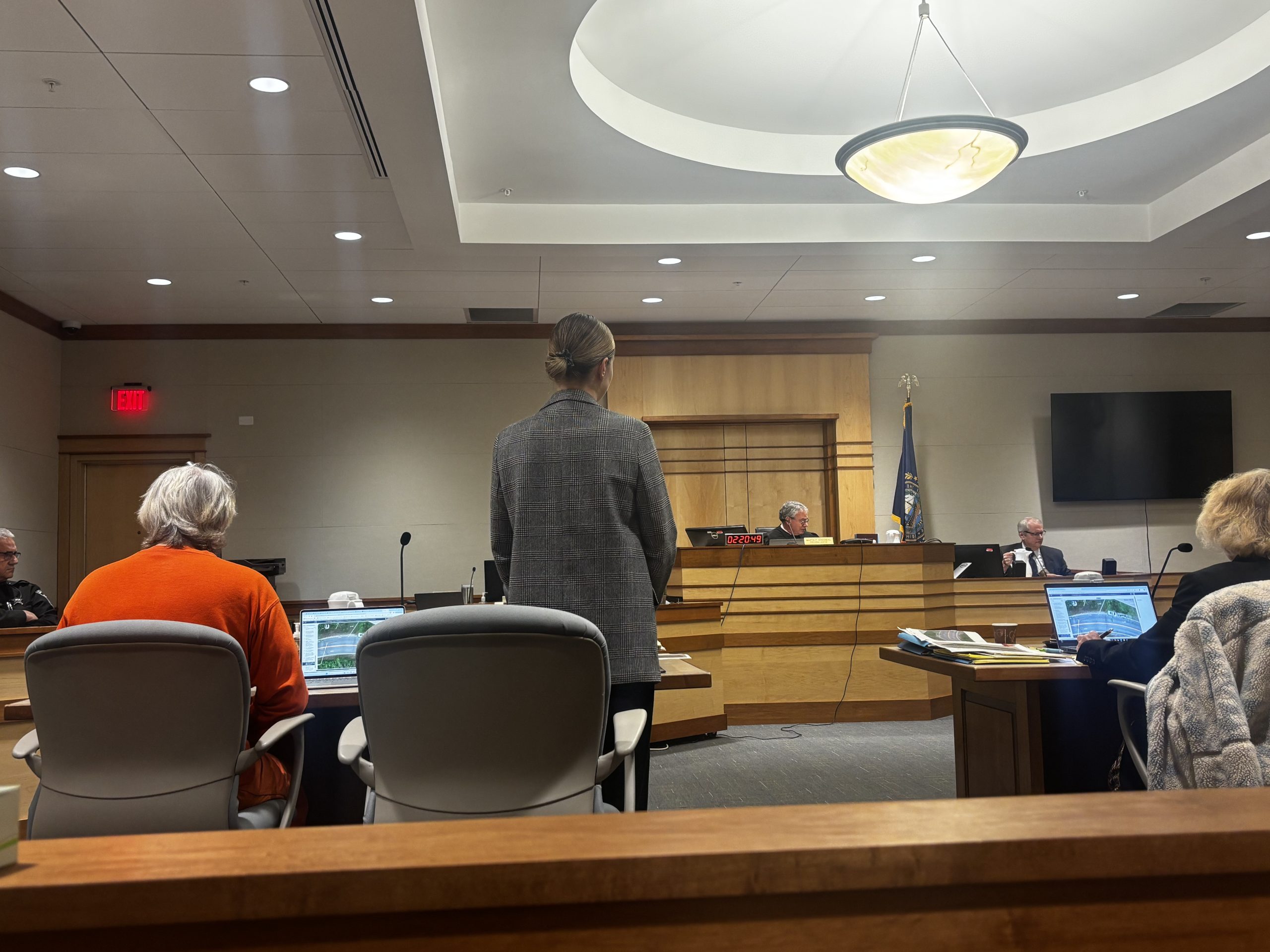
Judge Denies Bail for Concord Driver in Pittsfield Pedestrian Death
A Concord man accused of killing a Pittsfield pedestrian in June 2025 was ordered held without bail this...