ALBANY — New York’s electric grid operator warned Wednesday that unless substantially more energy development occurs, the state will lack sufficient electricity to meet its demands by 2033 as aging power plants retire and new industrial projects consume more generation.
The New York Independent System Operator frequently pinpoints regions confronting reliability challenges, yet Wednesday’s report represented the first time the nonprofit has cautioned that the entire state could experience electricity shortfalls.
A large portion of the generation fleet will top 70 years old by 2036 — “well beyond the life expectancy of these types of facilities,” the operator said. Unexpected deactivations, equipment failures, forced outages and extended maintenance have already cut available generation, making the risk immediate rather than theoretical.
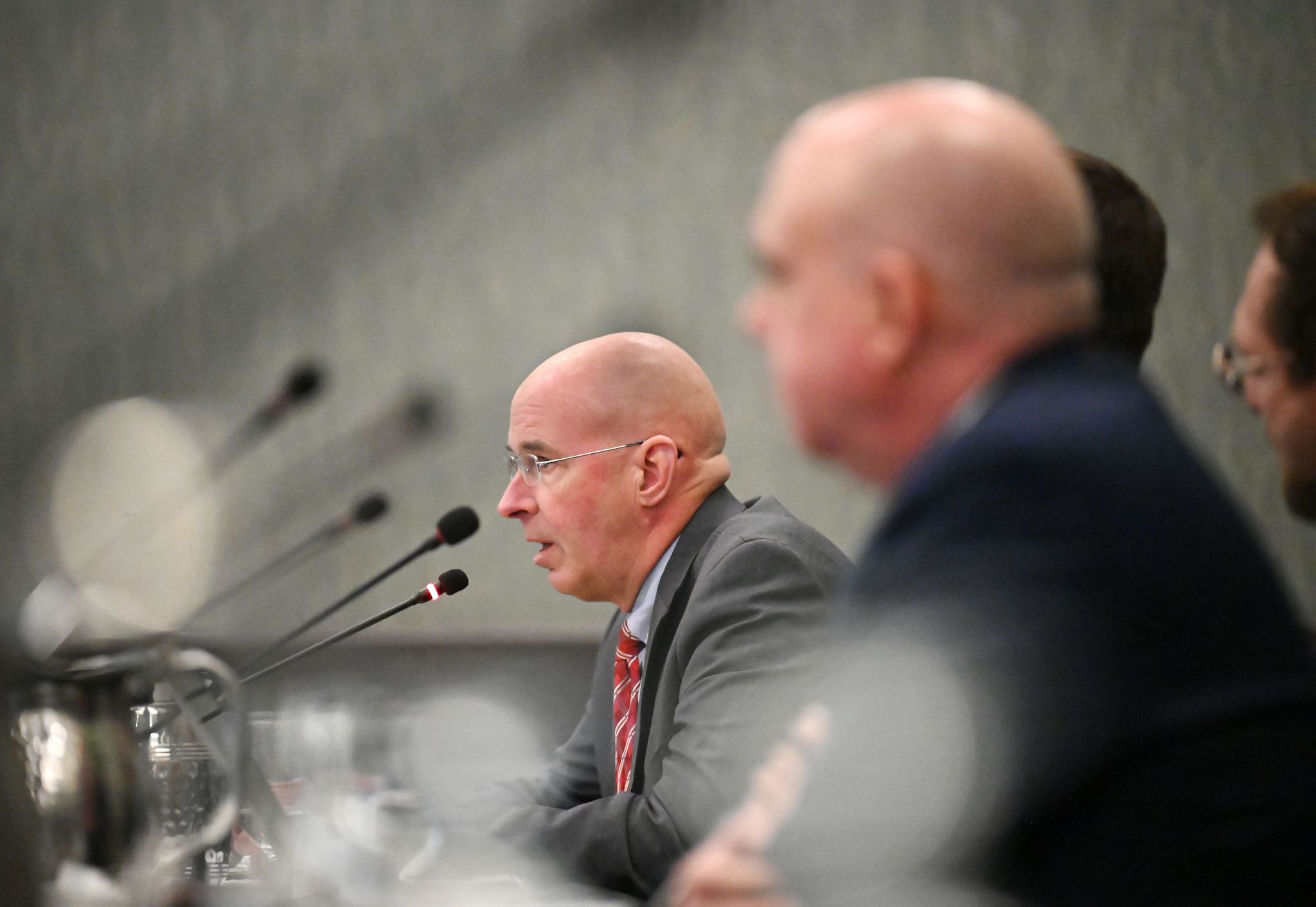
“New York’s reliability needs are no longer a distant concern,” said Zach Smith, senior vice president of system and resource planning at NYISO. “Electricity demand is growing as the availability of reliable power is increasingly uncertain. New generation and transmission resources take years to plan, permit, and build, so the reliability needs identified in this report must be addressed today.”
The aging fleet and the demand surge
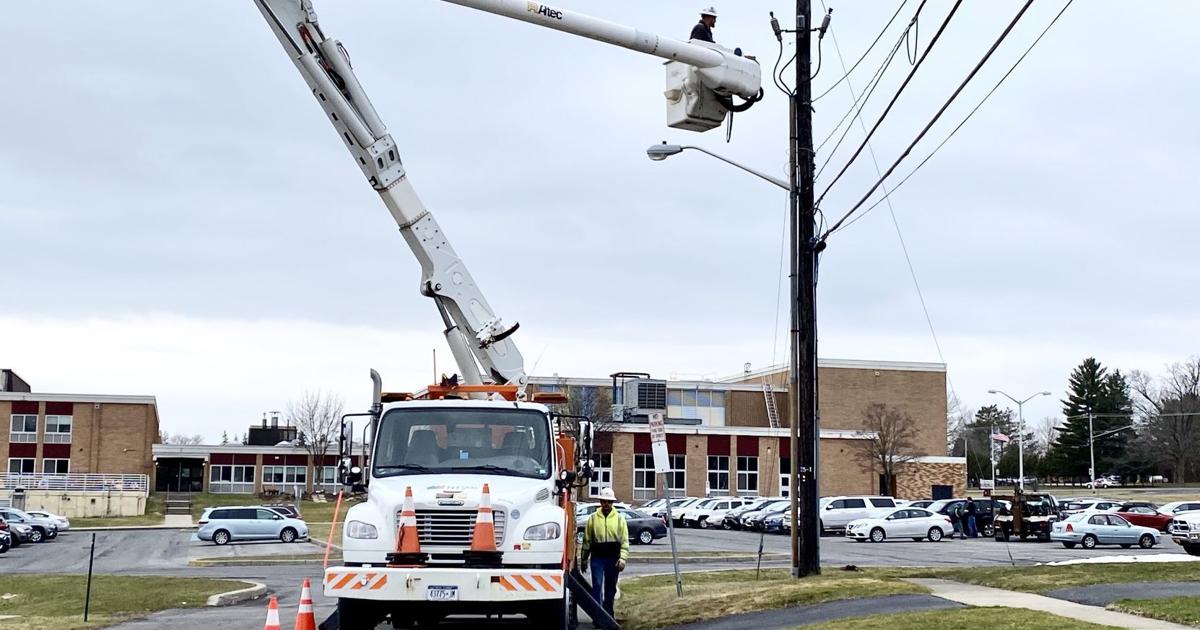
New York has the oldest electricity generation system in the nation. New supply hasn’t kept pace with retirements, and wind and solar farms built in recent years don’t produce as consistently as the fossil-fuel plants they replaced. If projects now in the pipeline aren’t completed on schedule, the first reliability shortfalls could hit in 2029, NYISO stated.
At the same time, demand is rising fast. Upstate New York's new industries come with heavy electricity demand. The operator warned that the aging fleet is increasingly prone to unplanned outages and extended maintenance delays just as these new loads arrive.
Hochul’s nuclear bet
Gov. Kathy Hochul is advancing a plan to build more nuclear power in New York than the entire country has built over the last 30 years. She released a state study outlining how to develop new reactors without the cost overruns and delays that have historically plagued the technology.
“We’re leaning into wind and solar and geothermal,” Hochul said Wednesday. “But also nuclear, I believe, is the most sustainable, the most reliable and ultimately, when it’s all done, the most affordable way we can power our state and to give the businesses and the residents who call New York home the certainty that, yes, the lights will stay on despite what is happening elsewhere.”
The study recommends taxpayer money or utility investment to finance projects, developing a specialized workforce, and collaborating with other states pursuing nuclear power. New York has over 12,000 companies that could supply reactor components with training and investment. Approving proven designs and building on sites with existing plants could lower costs, the report states.
Subsidies of $15 Billion to $24 Billion Needed for 5 Gigawatts
Achieving Hochul’s target of 5 gigawatts — roughly the power demand of 4 million homes — will likely require $15 billion to $24 billion in public subsidies, with the first reactor not coming online until 2039, a state study found. The last two U.S. reactors completed, both in Georgia, ran a collective $17 billion over budget. A project in South Carolina cost more than $9 billion before being canceled.
Nuclear provides near-nonstop generation without greenhouse gas emissions. New York’s four existing plants supply about 20 percent of the state’s electricity. Indian Point in Westchester County supplied New York City with roughly 25% of its electricity needs. When Indian Point closed in 2021, grid reliability worsened and fossil-fuel reliance rose sharply.
Trump and Hochul Align on Nuclear as Democrats Dissent
Building up nuclear energy supply is a rare area of symbiosis between President Donald J. Trump and many Democrats, including Hochul. The Trump administration has made billions of dollars available to advance nuclear projects and develop the supply chain. Congressional Republicans removed tax credits for wind and solar projects in legislation last year but maintained incentives for new nuclear developments.
Still, 35 Democratic state legislators urged Hochul in September not to move forward with new facilities subsidized by ratepayers.
“If construction of new nuclear generation in New York follows anything like a similar path to the most recent precedent in the United States, it will not only lead to unacceptable cost burdens for ratepayers and taxpayers, but will also arrive over a decade later than needed to address current (and) near-term generation capacity needs,” they wrote.
The NYISO report and the governor’s nuclear study were both released Wednesday.
Related reading
- LA County Child Protective Services Worker Charged With Molesting Children He Met on the Job
- Can Your Employer Force You to Take Annual Leave During the December Shutdown?
- Peacock Releases ‘The Day of the Jackal’ Season 2 Teaser, Sets March 2027 Premiere (archyde.com)
- Trump wraps up historic summit with Xi and Putin addressing Ukraine and nuclear issues (newsarchyuk.com)

LA County Child Protective Services Worker Charged With Molesting Children He Met on the Job
Los Angeles County child protective services worker Michael Alonso Rose, 45, was arrested Tuesday by LAPD’s Juvenile Division...

Can Your Employer Force You to Take Annual Leave During the December Shutdown?
South African employers can legally compel staff to take annual leave during the December shutdown if no agreement...

1904 Frankfort Mansion Now Books Groups of 14 for Bourbon Trail
A 1904 mansion on Main Street now books groups of 14 for the Bourbon Trail. The property, operated...

Massachusetts Gov. Maura Healey Says Democrats Need ‘Uniter and Fighter’ for 2028
Massachusetts Gov. Maura Healey told POLITICO on Thursday that Democrats need a presidential nominee in 2028 who can...