
- Max was restrained for an additional 54 minutes during a two-hour episode in 2021, and the U.S. Department of Education’s Office for Civil Rights expressed concerns about his restraint and seclusion between 2017 and 2020.
- Maine’s 45 special purpose private schools cost public districts an average of $80,000 per student in 2025.
- Enrollment in those schools rose about 40 percent over the past decade while spending more than doubled.
- The U.S. Education Department’s Office for Civil Rights found the Saco district failed 14 students, including Max, between 2017 and 2020.
On a day in 2021 at the Eslie J. Parquette School in Saco, run by the nonprofit Sweetser, Max, then 10, refused to leave art class.
He climbed on tables and “attempted to use a tool in the art room as a weapon,” according to an incident report reviewed by The Maine Monitor. Staff grabbed him by the armpits, removed him, and held him down for five minutes after he tried to punch and kick them.
Over the next two hours he ran from the building, threw objects, and struck staff. Adults restrained him for an additional 54 minutes, pinning his arms and legs to the floor, Bar Harbor Story reported.
Systemic reliance on separate schools
Maine’s 45 special purpose private schools, operated by 23 organizations, are marketed as a solution for children who struggle in public settings. Yet Max’s family said the three such schools he attended caused more harm than good.
Federal law requires districts to educate students with disabilities in the least restrictive environment, but more than a dozen lawyers, educators and advocates told The Maine Monitor that many public schools lack the capacity or expertise to serve the most challenging students, leading them to overuse the private-school “relief valve.”
Enrollment in these schools has increased about 40 percent over ten years and spending has more than doubled, according to Maine Department of Education data cited by The Maine Monitor. Tuition averaged $80,000 per student in 2025, pressuring district budgets and taxpayers.

Max faced early behavioral challenges and discipline
Max’s difficulties began early. In first grade at Governor John Fairfield School in Saco, a teacher threw away a paper airplane he made, calling it inappropriate. Max “began being disruptive,” an incident report stated, and was placed in a “quiet room,” an unfurnished 6.5-by-10-foot space, for 15 minutes.
His mother, Angela Dupuis, described toddler nap times as “three-plus-hour standoffs.” By second grade a behavioral analyst heard Max repeatedly say, “I’m bad.” In third grade, after learning he had broken a specialist’s nose, Max tried to break his own.
Angela and her husband, Steve, shared strategies that worked at home — speaking to Max like an adult, helping him assess why tasks were hard, altering activities so he would participate. “There was never any self-reflection on behalf of the adults,” Steve told Bar Harbor Story.
The couple reduced work hours, borrowed from family, and took a home equity loan to cover expenses while Max missed more than half of each academic year from third through sixth grade.

Civil rights findings implicate Saco School Department
In 2021, following a complaint, the U.S. Department of Education’s Office for Civil Rights concluded that the Saco School Department failed to provide 14 students, including Max, with an adequate education between 2017 and 2020 by repeatedly restraining, secluding, and sending them home early. The agency also found the district failed to assess how those practices affected students’ education and failed to accurately report restraints to the government, The Maine Monitor reported.
Superintendent Jeremy Ray said the district cannot discuss specific students due to federal privacy laws. He noted the district has since standardized practices, increased training, and added behavior experts. Restraints and seclusions dropped from 451 in the 2017-2018 school year to 43 in 2025-2026, Ray said.
Expert consensus on harm
Psychologists say restraint and seclusion compound trauma. J. Stuart Ablon, a child and adolescent psychologist at Massachusetts General Hospital and associate professor at Harvard Medical School, said locking a child in a seclusion room or holding them against their will retraumatizes them, causing brains to “spiral out of control” and leading to long-term developmental damage.
Ross Greene, a clinical child psychologist in Freeport, said educators must proactively identify and adjust expectations children struggle to meet rather than rely on reward-based systems that assume children lack willpower.
A Maine Education Policy Research Institute report found fewer than a third of teachers received behavior or classroom management training during the 2022-2024 school years, and up to 40 percent of teachers sustained minor injuries while 23 percent experienced major injuries during behavioral crises.
Sweetser, a Maine-based nonprofit, operates the Eslie J. Parquette School in Saco, where Max was restrained in 2021. These schools, funded by district contracts averaging $80,000 per student, reflect Sweetser’s expanded role from residential care in the 1960s to community-based services today, supporting Maine’s special education system through specialized behavioral health programs.
Life after restraint
Today Max builds intricate Lego sets, fishes, plays video games, and negotiates curfew with his parents. He attends public school and has not been restrained or secluded in more than two years.
“They weren’t really seeing me as me,” Max told Bar Harbor Story of his third-grade experience. “They were just seeing me as the kid who acts out.” The Saco district’s current restraint numbers have fallen, but the federal findings on past failures remain unresolved.
Related reading

Cair-Minnesota Mourns Death of Somali American Uber Driver After Brutal Attack
"To God we belong and to Him we return," said Jaylani Hussein, executive director of CAIR-Minnesota. Mohamed Yusuf,...

Jacksonville Man Arrested for Theft of a Firearm
Jacksonville man arrested for theft of a firearm. The officer conducted the stop at about 11:22 p.m. on...
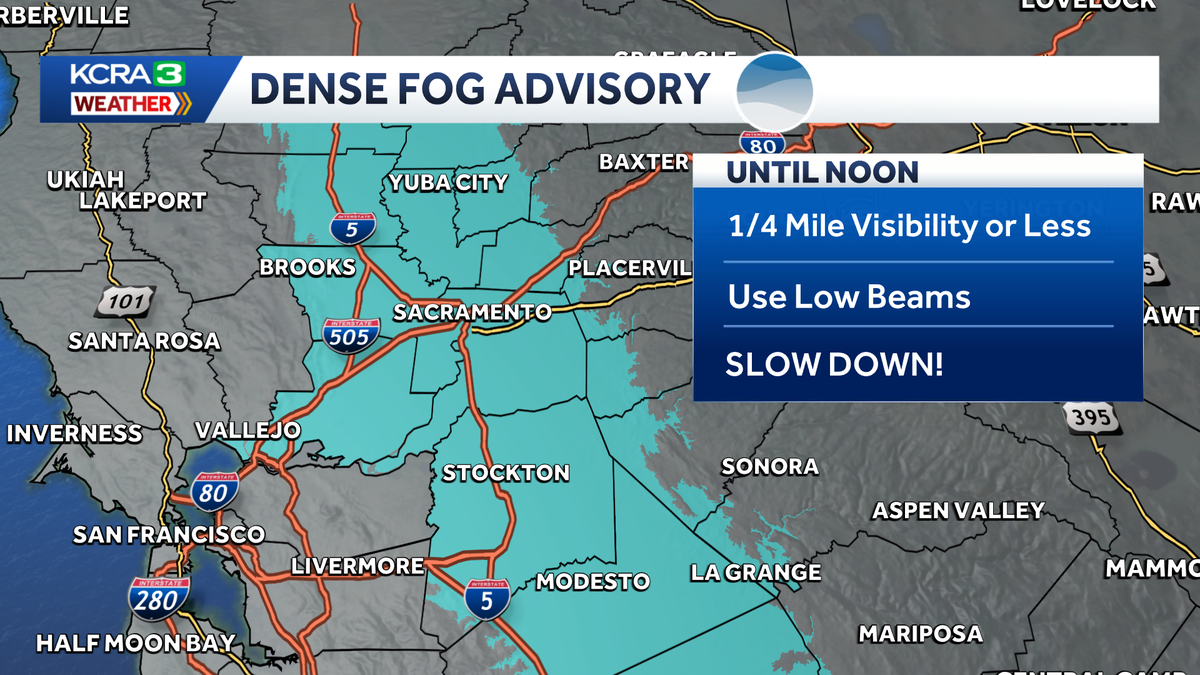
Patchy Morning Fog in NorCal Valley Saturday, Rain Returns Sunday – KCRA
Patchy dense fog is present in the Northern California Valley Saturday morning, but will clear by late morning,...

Rhode Island Sober Living Registration Mandatory January 1 2027
Registration and NARR certification become mandatory for all recovery housing on Jan. 1, 2027. The requirement applies to...