
“This is an AI cyberattack,” wrote Nalin Haley, a conservative influencer and son of Republican politician Nikki Haley, on Nov. 17.
That sentiment spread rapidly after companies including Microsoft, United Airlines, JPMorgan Chase and U.S. Bank experienced technical issues that disrupted banking, travel and work worldwide. The rapid-fire succession of events didn’t help. A planned, routine test of the country’s Emergency Alert System on Nov. 17 added to the unease. Human brains are wired to make connections and spot statistical regularities in the world. This tendency “can sometimes lead people to see connections where none may exist.” One paper about conspiracy thinking started with a coin toss.
Research also shows that when people lack control, they’re more likely to detect nonexistent patterns. “Also, a simple explanation is often not very appealing.” “” Social media amplified the anxiety. Negativity bias means negative information has a stronger impact, Granados Samayoa said.
Content using negative language or prompting strong negative reactions is more likely to go viral. That frequency bias — paying more attention to outages that would otherwise be routine — compounded the perception of the events. Donald Trump told reporters the cascade of technology disruptions were “separate events” and “under control,” according to PBS NewsHour reporting.
His statement came as public speculation mounted about a coordinated cyberattack on critical infrastructure.
Microsoft and FAA outages last week. Bank outages and United today. Look, I get it. Something has to be up, right? But the aviation system – from airlines to airspace and everything in between – is so astoundingly, stupifyingly complex, it’s honestly a miracle this doesn’t…
The White House characterization contrasted with viral social media claims that the simultaneous failures represented an unprecedented AI-driven assault on U.S. systems. Officials maintained the incidents stemmed from routine maintenance, isolated technical problems or unrelated cyber intrusions rather than a systemic campaign.
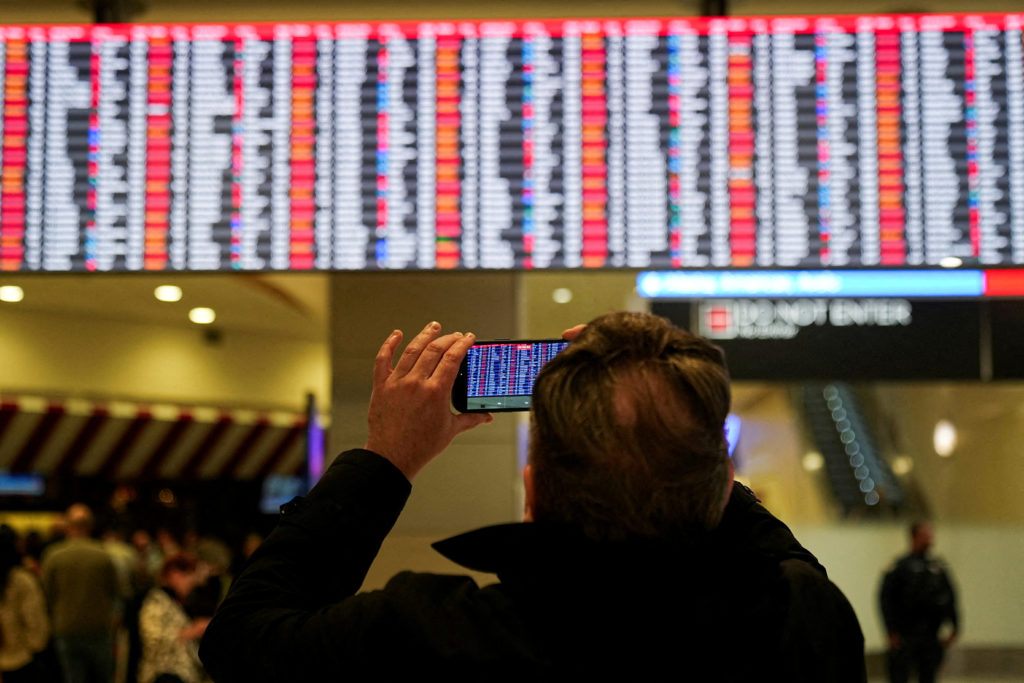
The Green family — Charlie, his son Gavin, wife Paige MacWilliam and son Eli — waited inside a terminal at Seattle-Tacoma International Airport on Nov. 13, 2026, as flights were delayed, an Associated Press photograph showed. Their experience reflected the widespread travel chaos that fed public anxiety.
We’re under attack in a way we’ve never seen before. Multiple freezers fail causing mass spoilage of food, Microsoft Outlook shut down, workers payrolls shutdown, flights grounded, ships crashing into each other, and now 178 major organizations. This is an AI cyberattack. We… https://t.co/V80eC39pPb
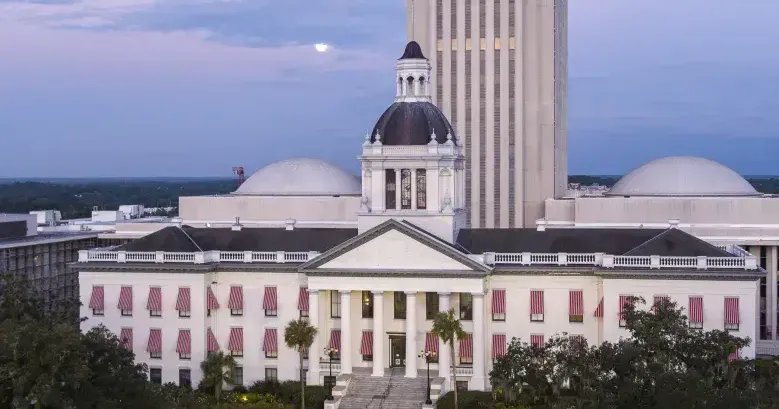
Florida Democrats Break GOP Supermajority, Win Largest House Caucus Since 1990s
Republicans entered Tuesday’s swearing-in expecting to keep their two-thirds lock on the Florida House; instead they lost it....

No. 24 UNC Dominates Third Quarter to Beat Alabama 78-64 at WBCA Showcase
No. 24 North Carolina pulled away in the third quarter to beat Alabama 78-64 at the WBCA Showcase...

NPR’s First Senior Podcast Challenge Draws 100+ Entries on Identity, Dating
More than 100 people over 65 have submitted podcasts to NPR’s first Senior Podcast Challenge with eight days...

Shitsama, Pidhoresky Break Course Records at Philadelphia Marathon
Victor Shitsama of Kenya broke the Philadelphia Marathon course record by nearly four minutes Sunday, finishing in 2:09:23...