
Connecticut’s bottle and can redemption rate fell to 79.6% in the second quarter of this year, a decline state officials attribute to new laws targeting cross-border fraud that had driven rates to about 97% in late 2025.
The Department of Energy and Environmental Protection reported redemption rates of 85.7% in the first quarter and 79.6% in the second quarter, levels the agency says are closer to those in other states with 10-cent deposits such as Michigan and Oregon.
The last two quarters of 2025 had seen rates near 97%, which officials said indicated an influx of containers purchased in neighboring states. Third-quarter data has not yet been compiled by the Department of Revenue Services.
“We are hopeful that the latest data indicates redemption rates are stabilizing,” said Emma Cimino, acting commissioner of DEEP. “DEEP is not currently proposing a return to a 5-cent deposit/redemption, but we’re always open to working with the General Assembly on ways to improve our current container laws. Multiple bills passed last session provided CT DEEP, local municipalities, deposit initiators, and redemption centers with more tools to discourage illegal redemptions.”
Cimino said the agency continues to monitor the laws’ effectiveness and expects to soon hire two new employees to oversee enforcement.
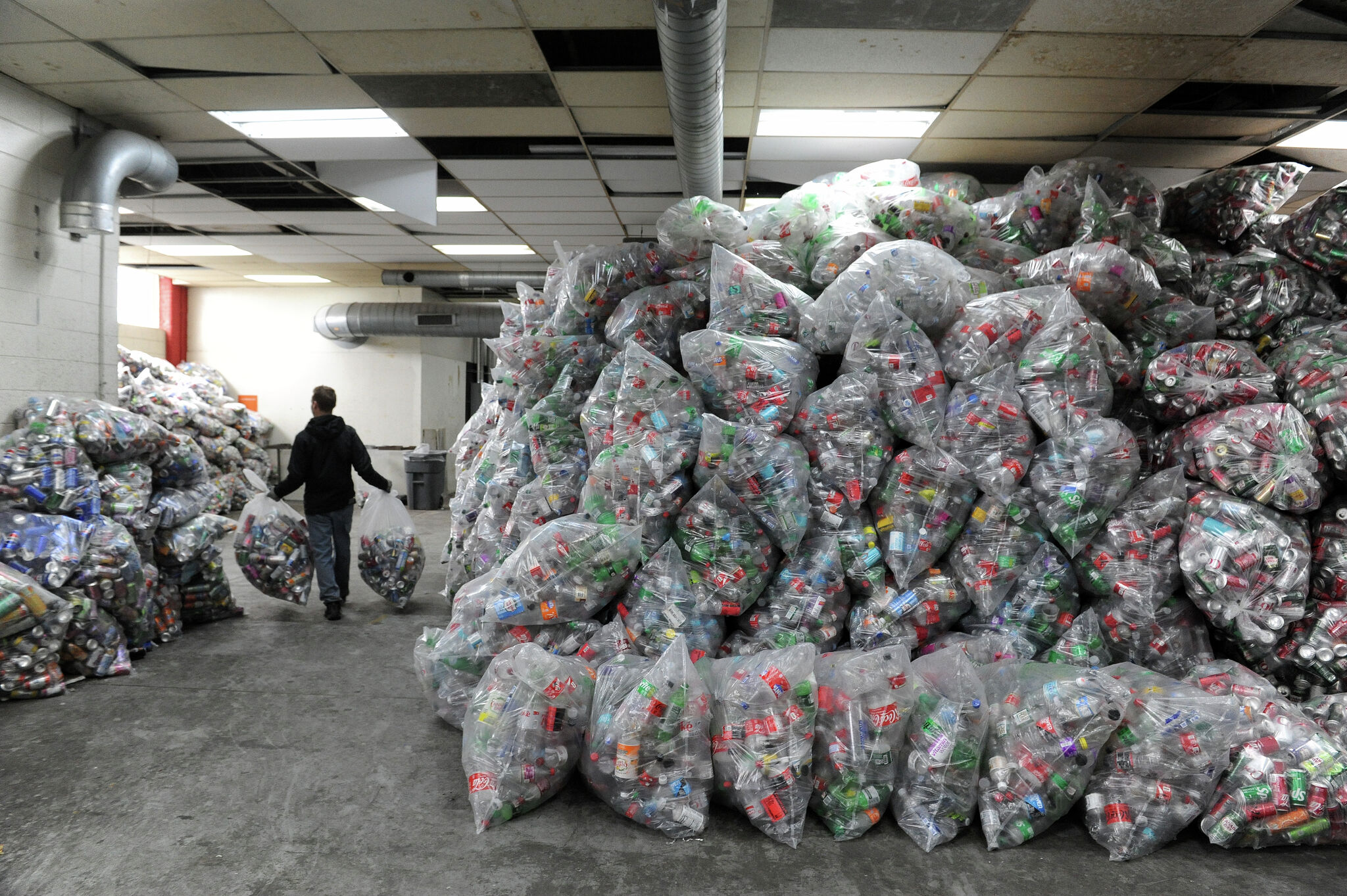
The crackdown came in two stages. A law taking effect April 1 raised per-incident fines from $50 to as much as $750 for a first offense, $1,000 for a second, and at least $2,000 with Class A misdemeanor charges for subsequent violations. It also imposed $2,500 annual license fees for redemption centers.
A second law, effective Oct. 1, created potential Class D felony penalties for interstate redemption fraud: up to five years in prison and $5,000 fines for more than 40,000 containers a year; Class A misdemeanors with up to one year in prison and $2,000 fines for 20,000 to 39,000 containers; and up to six months in prison and $1,000 fines for 5,000 to 19,000 containers.
New York offers a 5-cent redemption rate while Rhode Island has none, creating an incentive to bring containers into Connecticut for the higher 10-cent payout. The fraud was hurting beverage distributors’ bottom lines, lawmakers said.
State Rep. Joe Gresko, D-Stratford, said a recent meeting with Cimino suggested the interstate crime is declining. “The inference was: The regulations are starting to take effect,” Gresko said in a phone interview. “I’m not complaining.”
State Rep. John-Michael Parker, D-Madison and co-chairman of the Environment Committee, said he expects lawmakers to examine improvements to reporting and beverage container handling procedures when the General Assembly returns in January.
State Rep. Joe Gresko, D-Stratford, said a recent meeting with acting DEEP Commissioner Emma Cimino indicated that interstate redemption fraud is declining.
Gresko, whose district includes a major redemption center in Stratford and another in nearby Bridgeport, cautioned that significant fraud persists despite the decline.
“Everyone wants to tell their story through the data, so I am hopeful there has been some impact,” State Rep. John-Michael Parker, D-Madison, co-chairman of the legislative Environment Committee, said.

LeBron Scores 21 in Fifth Straight 20-Point Game as Pacers Fall to Sixers
LeBron James scored 21 points in a game against the Indiana Pacers, leading the Philadelphia 76ers to a...

India Flags Inflation Risks From Wedding Demand, El Niño, Hormuz; Growth Holds
India's Finance Ministry warned on Saturday that retail inflation, already above the central bank's tolerance limit, faces fresh...
Four States Enact Laws to Limit Medical Malpractice Damages
Since 2025, at least four states have enacted laws capping damages or shortening filing deadlines in medical malpractice...

Va. Gov. Spanberger Explains Why She Didn’t Call for State of Emergency Earlier
“Knowing what this storm was going to be, we didn’t have a need for mobilization and, most importantly,...