
Ofgem confirmed on Wednesday that the energy price cap will jump 26% on 1 January, pushing a typical annual dual-fuel bill from £1,723 to £2,166 — an extra £443 a year, or roughly £37 a month through March.
The increase affects about 20 million households in England, Scotland and Wales on standard variable tariffs. It lands at the coldest point of the year. Wholesale gas costs, driven higher by the war in Iran and low European storage levels, account for the entire rise, Ofgem said.
New cap sets unit rates for January to March
Ofgem’s announcement sets the maximum unit prices and standing charges suppliers can apply from 1 January to 31 March 2027. Electricity rises to 32.69p per kWh from 26.32p. Gas climbs to 10.96p per kWh from 7.97p. Standing charges barely move: electricity dips 0.06p to 54.77p a day, gas falls 0.03p to 29.65p.
The £2,166 headline figure assumes typical consumption of 2,500 kWh of electricity and 9,500 kWh of gas over a full year at the January-to-March rates. Households using more will pay more; those using less will pay less. The cap does not limit the total bill.
Government help includes £100 payment and VAT cut
A one-off £100 Household Energy Payment will go automatically to homes in council tax bands A to D in England from 4 January, with equivalent schemes in Scotland and Wales. A temporary 5% VAT removal on electricity runs until 30 June 2027, worth about £45 a year for a typical household. The Warm Home Discount takes £150 off bills for six million households on means-tested benefits this winter.
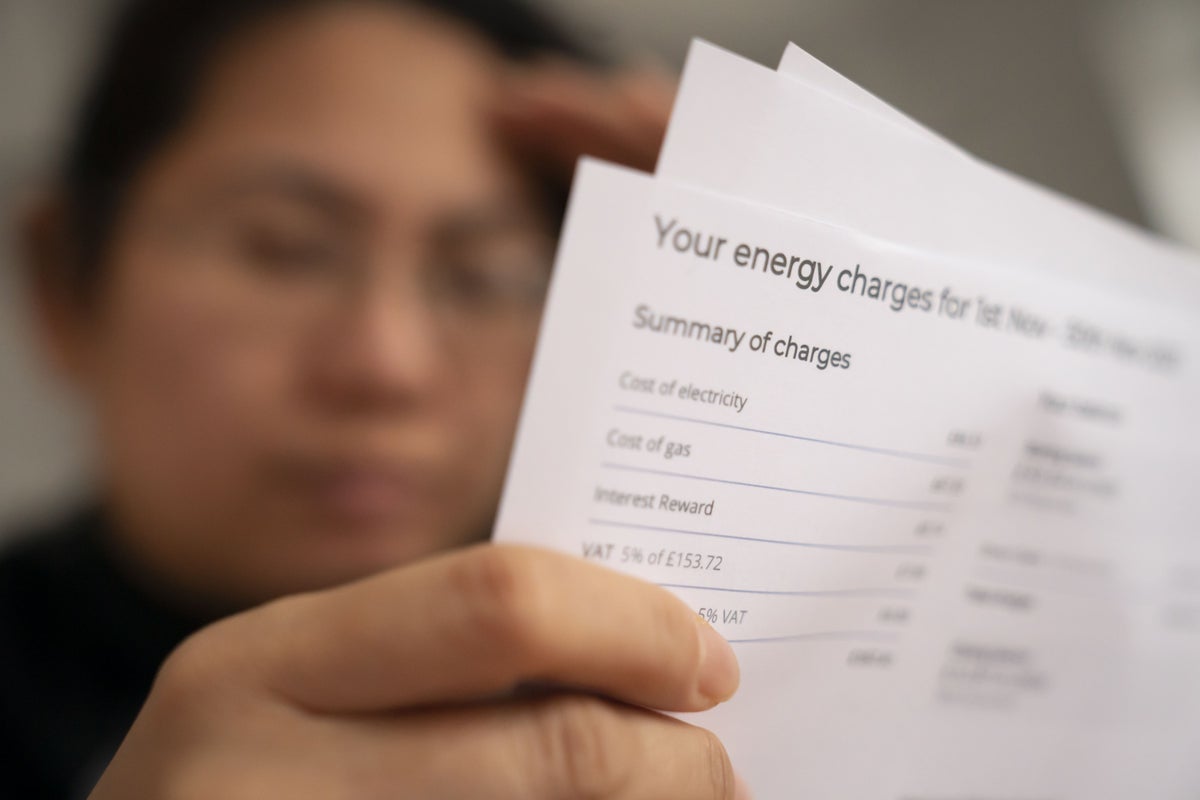
Citizens Advice calculates the £100 payment covers less than two weeks of energy use for most households at the new rates.
Household energy debt nears £7 billion
Energy UK estimates total household energy debt could approach £7 billion by the end of 2026. Chris O’Shea, chief executive of Centrica, owner of British Gas, told the BBC he was “hugely concerned” and described unpaid bills as a “massive problem”.
He noted an “increasing number of people that are choosing not to pay their bills”. Prepayment meter customers face the sharpest risk: Citizens Advice warns over half a million could run out of credit before mid-February without further intervention.
“We are staring down the barrel of a brutal winter,” Dame Clare Moriarty, chief executive of Citizens Advice, said.
Vikki Brownridge, chief executive of StepChange Debt Charity, said the increase “has essentially baked in further debt” for clients for whom energy arrears are already the most common household debt. The charity is calling for an energy social tariff to protect low-income households from high costs.
Fixed deals shield customers until contracts end
Customers on fixed-rate deals are shielded until their contracts expire. Ofgem will announce the April-to-June 2027 cap by 23 February. Cornwall Insight, whose forecast underpinned Wednesday’s confirmation, has signalled prices could remain elevated through next year even if wholesale gas eases. Network upgrade costs for the electricity system are expected to stay high.
Wholesale gas prices drive the increase
Consultancy Cornwall Insight forecasts a 26% increase in typical annual bills from January, driven primarily by rising wholesale gas prices following the war in Iran. About 20 million households currently use variable energy tariffs governed by Ofgem’s price cap.

Energy UK, the industry trade association, said the average wholesale gas price is 166% higher than it was in late 2025 before the war in Iran began.
Debt support demand set to rise sharply
Citizens Advice estimates it could see at least a 17% rise in people seeking energy debt support compared to last winter, with a worst-case scenario of up to 37%.
Ofgem and consumer groups advise taking a meter reading on 31 December, especially if you do not have a working smart meter, to ensure usage is billed at the old rates.
Households struggling to pay should contact their supplier immediately — suppliers must offer affordable payment plans and emergency credit for prepayment meters. Boiler checks such as pressure, radiator bleeding and draught-proofing can reduce waste, but they do not offset the structural price rise.
Related reading
- Woodstock Petitions Judge to Lift Order Blocking Police Chief Hire
- Back on My Feet Hiring Seattle Program Manager at $65K-$70K
- Energy bills set to soar as Ofgem predicted to raise price cap by 26% from January (newsarchyuk.com)
- Dollar General's Four Test Buys: 30 Price Errors, 21 Against the Shopper (daybreakwire.com)
Woodstock Petitions Judge to Lift Order Blocking Police Chief Hire
Woodstock asked a Vermont judge Friday to lift a court order that has barred the village from hiring...

Back on My Feet Hiring Seattle Program Manager at $65K-$70K
Back on My Feet is hiring a Program Manager for its Seattle chapter at a salary of $65,000...

San Jose Earthquakes Beat Houston Dynamo 2-1 in Playoff Opener, Take 1-0 Series Lead
Houston Dynamo FC lost 2-1 to the San Jose Earthquakes on Tuesday night in Game 1 of their...

Suspect at Large After Man Is Pistol-Whipped and Shot at Phoenix Light Rail Station
“This area is very sketchy overall,” said Michael, a rider who described previous encounters near the station. “I’ve...