Ohio State quarterback Julian Sayin remains sidelined for the November 21 matchup against Nebraska, marking the fourth consecutive game the junior signal-caller has missed due to an undisclosed injury to his throwing arm.
The injury occurred during the fourth quarter of a 19-15 victory over Indiana on October 17. As reported by dispatch.com and sports.yahoo.com, the incident happened when defensive lineman Mario Landino sacked Sayin, causing his right arm to bend at an awkward angle.
Sayin exited the game and returned to the sideline in a sling, an image that has since become the focal point of a shifting narrative regarding the Buckeyes’ championship aspirations.
The Path to Recovery
While the team initially braced for an indefinite absence, recent updates from head coach Ryan Day suggest a potential shift in the recovery timeline. Although Sayin is not expected to play in the regular-season finale against Michigan on November 28, the outlook for a postseason return remains a subject of internal evaluation.
“The recovery is going well, though, and he’s moving in the right direction for sure. I don’t quite have the timeline for it, but I can tell you it’s moving better than I thought it would for sure.”
That update, provided by Day on Thursday, offers a glimmer of optimism for a program that has endured two losses since Sayin’s departure from the lineup. According to sports.yahoo.com, the team is currently monitoring how his elbow responds to rehabilitation following surgery, leaving his availability for a potential playoff run as an open question.
Quarterback Continuity and Future Stakes
The uncertainty surrounding Sayin’s injury has cast a long shadow over his NFL draft prospects. Before the injury, analysts were already debating whether the 21-year-old was ready to make the jump to the professional level.
Draft experts at The Athletic, including Dane Brugler and Nick Baumgardner, noted in October that while Sayin possesses high-level accuracy and a strong grasp of pre-snap reads, his physical profile and limited arm strength compared to other draft-eligible peers made his projection difficult.

The injury has further complicated these calculations. With two years of eligibility remaining, the possibility of Sayin returning to Columbus to bolster his draft stock—and prove he can operate at an elite level independently of standout receiver Jeremiah Smith—has gained traction.
The economic realities of the modern collegiate game also play a role; as former quarterback Will Howard noted, top-tier NIL deals for veteran signal-callers can reach seven figures, potentially incentivizing a return.
The Backup Rotation
In Sayin’s absence, freshman Luke Fahey has assumed the starting role. Fahey, a three-star recruit, has faced a steep learning curve, throwing for 1,024 yards, eight touchdowns, and four interceptions across seven games. The Stargazette reported that Sayin has remained actively involved with the team, attending practices and games to provide counsel to Fahey—a gesture the coaching staff has cited as evidence of his commitment to the program.
Despite the struggles in the passing game, Ohio State has resisted shifting to sophomore Tavien St. Clair. St. Clair, a five-star prospect and the first Ohio-based quarterback to sign with the Buckeyes since Joe Burrow, offers a different physical profile at 6 feet 4 inches and 195 pounds, but the staff has maintained its commitment to Fahey during this transition.
As the Buckeyes navigate the final stretch of the season, the focus remains on whether the team can stabilize its offensive production without its primary starter. Whether Sayin ultimately declares for the 2027 draft or returns to lead the offense next year depends heavily on his physical rehabilitation and the final evaluation of his NFL readiness. For now, the team is focused on the immediate challenge at Nebraska.
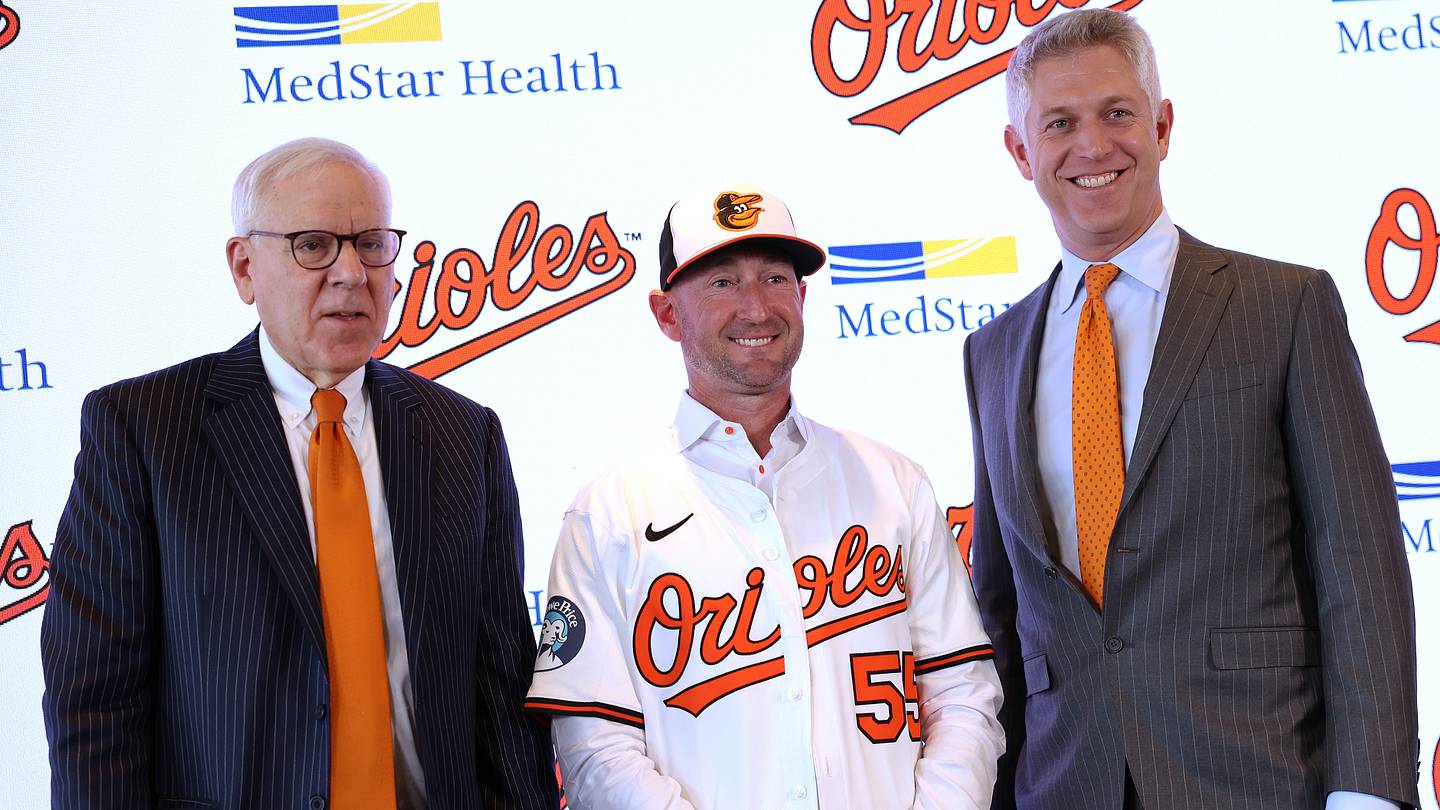
Sports Illustrated Analysis Identifies Four Offseason Targets Orioles Should Avoid Under Mike Elias
A Sports Illustrated analysis identifies four offseason targets the Baltimore Orioles should avoid, arguing the club's front office...

FAMU defeats Bethune-Cookman 27-14 in Florida Classic at Orlando Stadium
Florida A&M defeated Bethune-Cookman 27-14 on Saturday in the 71st Florida Classic at Orlando's Camping World Stadium, snapping...
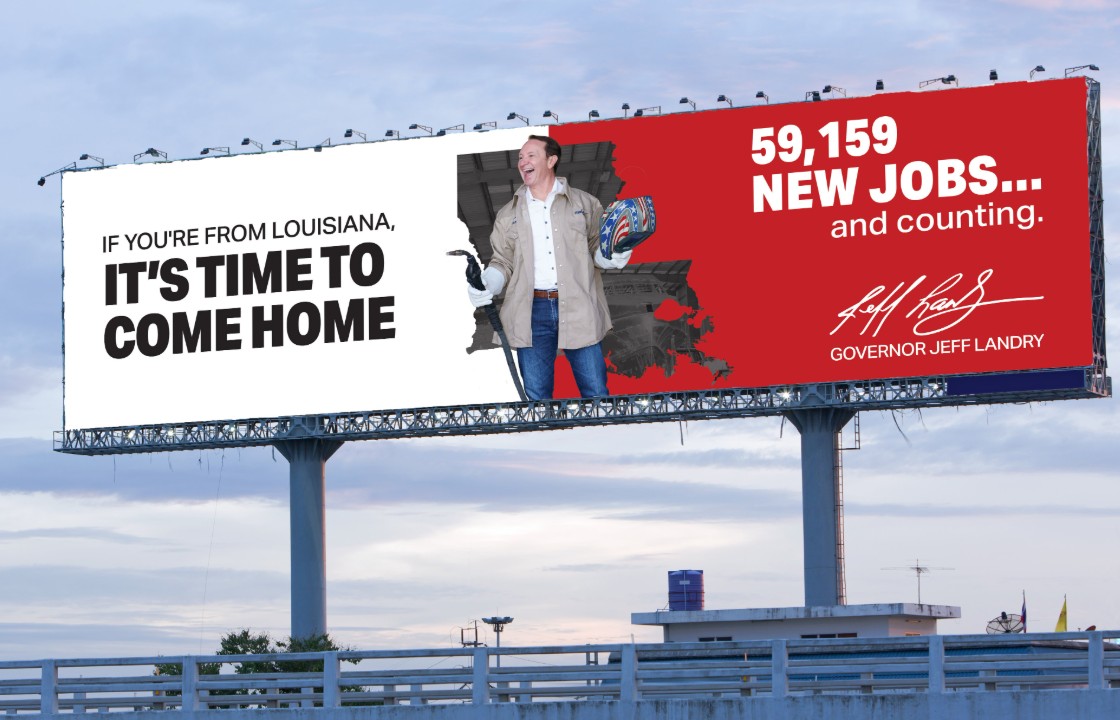
Louisiana Targets Texas Businesses With I-10 Billboards in Nov 2026, Reports Houston Chronicle
Louisiana targets Texas businesses with billboards along Interstate 10 in November 2026. This media campaign, announced by Louisiana's...
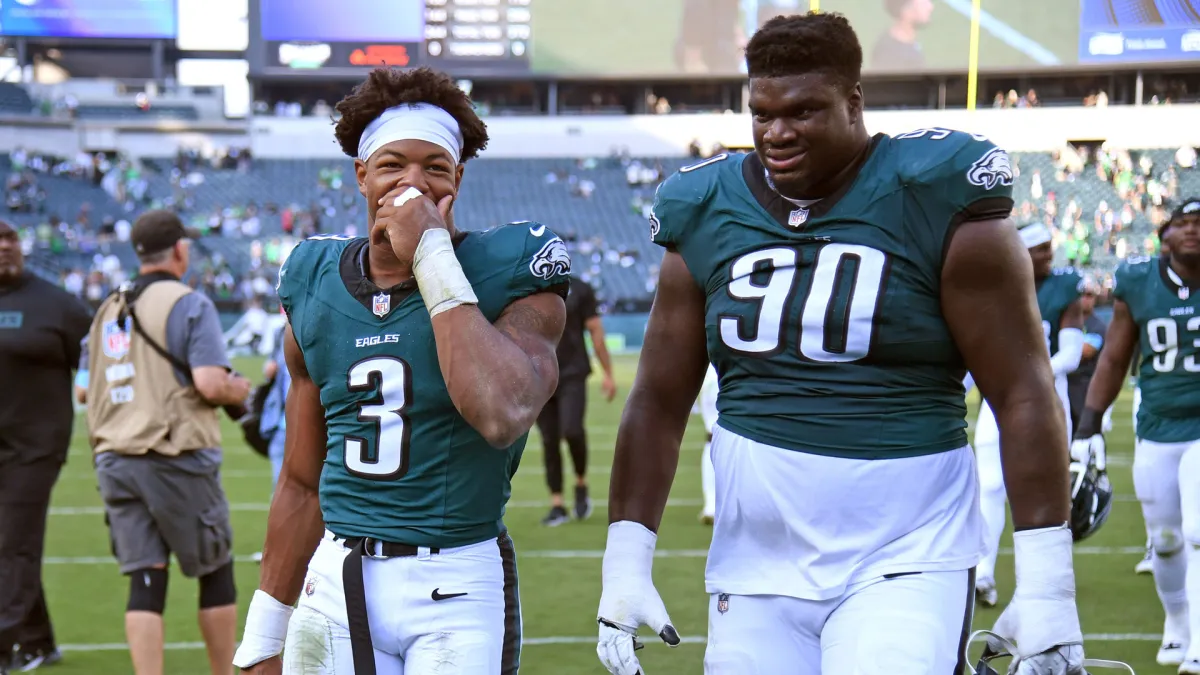
Nolan Smith Says Losing Jordan Davis to a Trade Is Part of the Business
Nolan Smith said Friday that losing Jordan Davis to a trade is simply part of the business, even...