- House GOP majority fell from 88 to about 68 seats, losing 15 districts Trump won in 2024.
- State authorized a $3 billion Chiefs stadium project with $1.8 billion in taxpayer exposure.
- Property tax relief of 1.5 mills saves $4.31 monthly on a $300,000 home amid double-digit appraisal increases.
- General Fund spending rose from $6.12 billion in fiscal 2016 to $10.75 billion approved for next year.
Kansans elected Republicans for secretary of state, treasurer and insurance commissioner while choosing Democrats for U.S. Senate, governor and attorney general.
A citizen-only voting amendment passed with more than 63% support, yet Wyandotte County voters rejected two sales-tax increases.
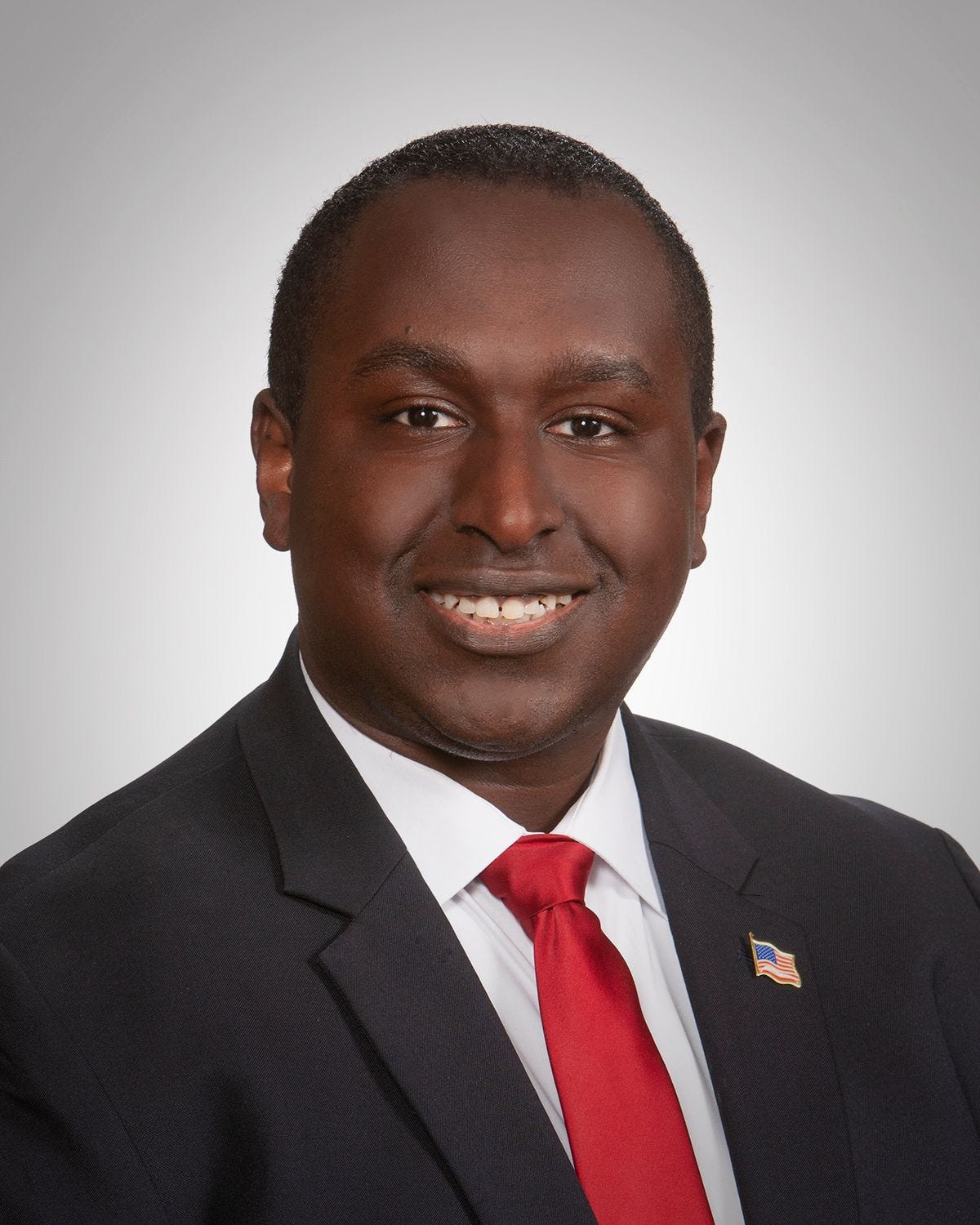
For two years, leaders prioritized corporate carve-outs over property tax relief, Austin writes. The state’s 1.5-mill cut saves $4.31 a month on a $300,000 home, but double-digit appraisal increases turn the cut into a hike at the kitchen table. Meanwhile, lawmakers authorized a $3 billion Kansas City Chiefs stadium project with $1.8 billion in taxpayer exposure. “Pro-business policies should help Kansas neighborhood businesses, not just projects with massive, politically connected organizations,” Austin argues.
In April 2025, Senate President Ty Masterson defended the Republican budget by citing spending slightly below both Gov. Laura Kelly’s proposal and the prior year. Austin counters that fiscal restraint means bringing recurring spending within recurring revenue, not merely undercutting the governor’s wish list.

Voters from all parties indicated the cost of living was their primary issue, the outlets reported.
The mixed election results reflected that shared anxiety rather than a single partisan mandate, the newspapers wrote. Kansans elected Republicans for secretary of state, treasurer and insurance commissioner while choosing Democrats for U.S. Senate, governor and attorney general, and they approved a citizen-only voting amendment with more than 63 percent support while Wyandotte County voters rejected two sales-tax increases.
Austin argued that Holscher should measure success by Kansas households rather than political calculations.
Laura Kelly’s proposal and the prior year’s level. Austin counters that Masterson’s definition of restraint ignores the structural gap between recurring revenue and recurring spending, a critique that echoes his tenure as Senate Ways and Means Committee chair from 2013 to 2016, when the committee oversaw general fund balances plummet from $709 million to $37 million and authorized $1.9 billion in highway fund sweeps to cover income tax cuts.
“After signing a historic tax cut, President Ronald Reagan argued that government should be ‘on the side of families and growth, rather than on the side of special interests,'” Austin writes. “That is a standard Kansas voters will reward.”
Related reading

UCLA Loses; Indiana, Oregon, Iowa, Ohio State Alive for Big Ten Title
No. 4 UCLA lost to Michigan 18-16 in triple overtime Saturday, missing a chance to clinch the Big...

Mississippi Blood Services Urges Donations Thanksgiving Week With Gift Cards, Golf Cart Giveaway
Mississippi Blood Services is urging donations during Thanksgiving week as holiday schedules threaten the daily collection of 250...

Clay Center of New Orleans Opens Expanded 24/7 Member Studio
The Clay Center of New Orleans opens its expanded member studio on December 1, offering 24/7 access in...

Purdue Sweeps Michigan to Reach Big Ten Quarterfinals, Faces Oregon Next
Fifth-seeded Purdue swept No. 12 seed Michigan 25-18, 25-17, 25-21 on Saturday at the Fishers Event Center to...