College student Angelina Kirk writes that K-12 schools have prioritized active-shooter drills over life skills, leaving graduates unprepared for adulthood.
Kirk, a Boynton Beach resident and freelance writer, describes stepping onto a college campus after high school and finding the silence unfamiliar — no loudspeakers barking lockdown instructions, no routine drills on barricading doors, and no administrators treating ordinary stress like a disciplinary offense.
“For the first time, I was expected to govern myself like an adult and I realized how little my K-12 years had actually prepared me for the real world,” she writes.
Lockdown routine replaces curiosity
Teenagers spend years scanning classroom exits and practicing how to hide in silence, Kirk writes, turning school into a survival exercise rather than a place of curiosity. She argues that lawmakers repeat “never again” after each shooting yet expand active-shooter drills, stricter surveillance, and heightened fear instead of changing fundamental policy.
Recent legislative updates, including Florida’s 2026 school safety laws creating stricter penalties for discharging weapons near campuses, focus on reacting to threats after the fact, Kirk writes. She contends the core problem remains easy access to lethal weapons.
“No one should be able to simply walk in and purchase a firearm without undergoing heavy, comprehensive vetting thorough background checks, waiting periods, and real scrutiny before a deadly weapon ever changes hands,” she writes.
Online glorification of shooters
Kirk says social media algorithms reward shock value, turning school shooters into “twisted internet antiheroes” who are dissected, memed, and romanticized in dark fandoms. When violence functions as contagious digital content, copycat obsessions spread while students carry the psychological weight.
Mental health met with punishment
Chronic stress surfaces as quiet anxiety, exhaustion, and trauma that go unaddressed until they become inconvenient to authority, Kirk writes. “Emotional distress is only taken seriously once it shows up as an ‘attitude’, when a student snaps, withdraws or fails to follow a rule,” she writes, adding that schools meet it with punishment rather than care.
Graduates lack practical life skills
An education system fixated on security theater and standardized test scores leaves almost no room for practical realities, Kirk writes. Students graduate knowing how to memorize formulas for state exams but enter college or the workforce without ever being taught how to manage money, handle health insurance, advocate for themselves professionally, or regulate their nervous systems after years of institutional pressure.
What change looks like
Kirk calls for enforcing serious gun laws with rigorous vetting before any firearm purchase, confronting the online glamorization of violence, investing in mental health care before distress becomes an “attitude,” and teaching young people how to handle real life instead of just surviving the school day.
“The change I’d like to see is for humanity to do better in protecting our innocent and to prevent events like this from continuing,” she writes.
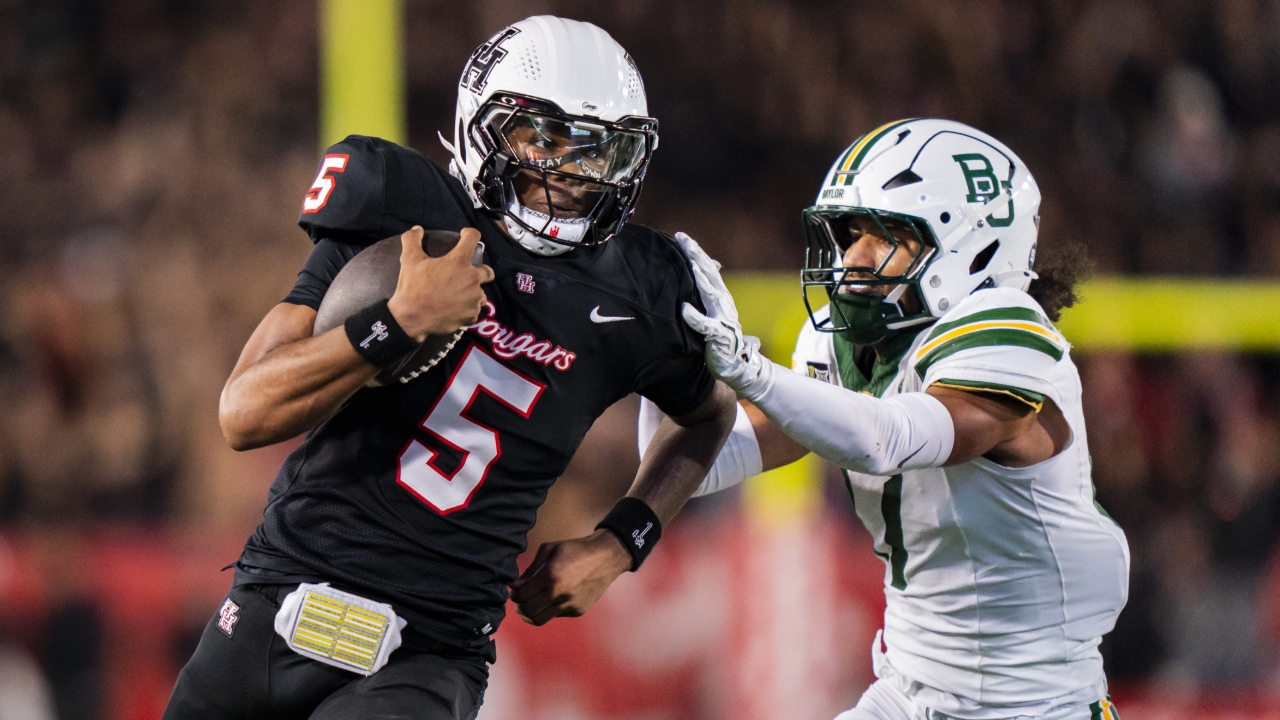
Dimas Hits 50-Yard FG as Time Expires, No. 17 Houston Beats Baylor 30-27
Jonathan Dimas kicked a 50-yard field goal as time expired Saturday night and No. 17 Houston erased a...
Moody Blues Tribute Honors John Lodge at Rams Head On Stage
A tribute concert honoring late Moody Blues bassist and songwriter John Lodge is scheduled for Saturday at 7...
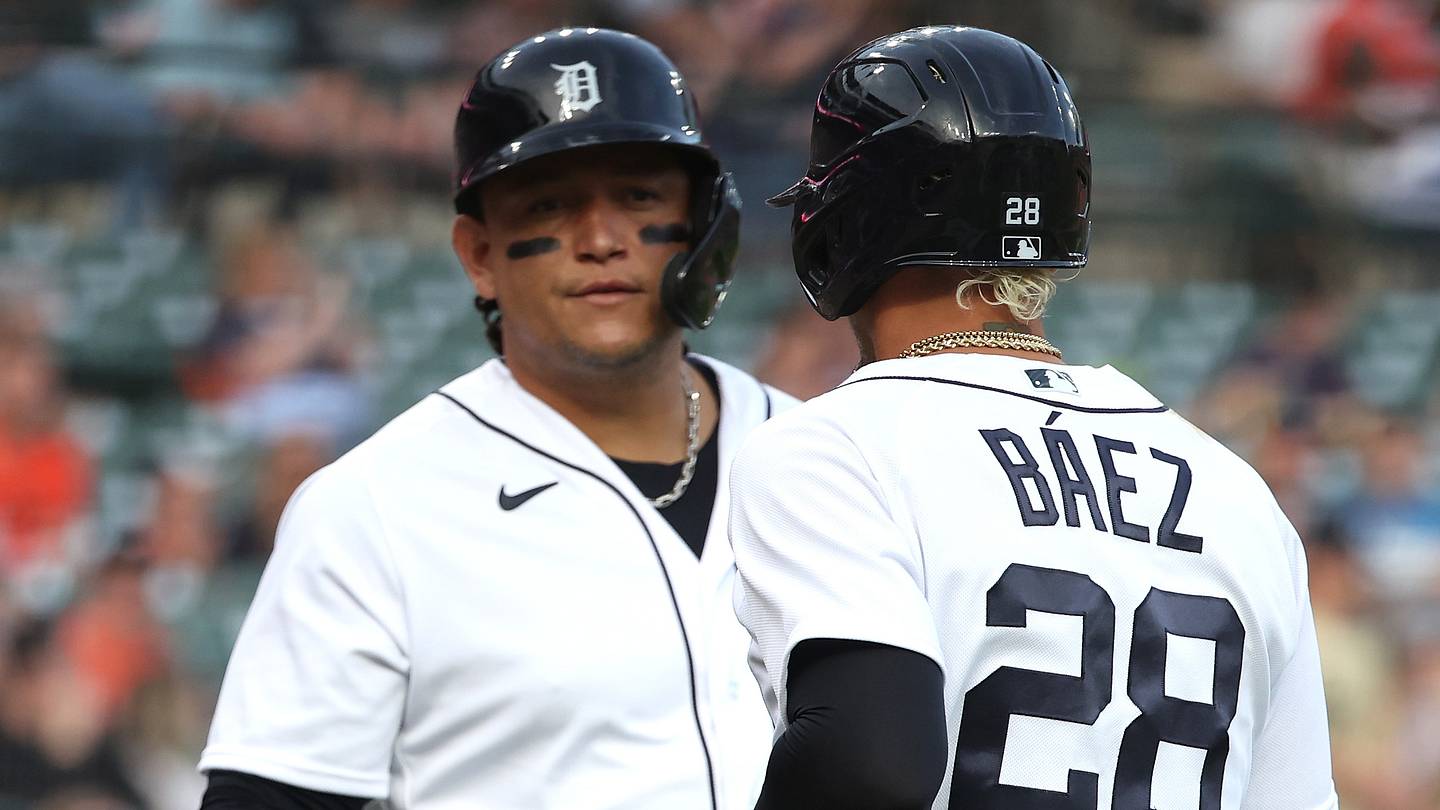
Tigers Clear Skubal Uncertainty But Ilitch-Era Contracts Still Limit Spending
Tarik Skubal’s departure to the New York Mets on a nine-year, $450 million contract removes the uncertainty that...

Donny Osmond, 68, Extinguishes Neighbor’s Barbecue Fire in Church Suit, Saving Home
Donny Osmond, 68, put out a neighbor's barbecue fire with a garden hose Sunday while still wearing a...