Oregon’s commercial health insurance market faces a “slow car crash” as two major insurers retreat and premiums surge, healthcare leaders warned Wednesday at an Oregon Health Forum panel.
Providence Health Plan is winding down operations after years of losses, while PacificSource has withdrawn from the individual market and Moda Health stopped offering plans in eight counties, The Lund Report reported. The moves shrink choices for roughly half of Oregonians who rely on commercial coverage, just as federal subsidies expire and Congress prepares to tighten Medicaid eligibility under H.R. 1 starting in January.
For 2027, individual-market premiums will jump nearly 22% on average and small-employer rates about 15%, the state insurance division projects. One family’s monthly premium rose from 67 cents to $109, Tracy Carver, president and CEO of Project Access NOW, told the forum.
“We’re not in a spiral, but we are in a slow decline,” John Espinola, president and CEO of PacificSource, said. “It is straining everybody to try to keep the system functioning.”
Oregon Insurance Commissioner T.K. Keen earlier called “death spiral” fears well-placed and said the state’s reinsurance program “can only go so far,” The Lund Report reported.
Rural hospitals are especially exposed.
Medicaid pays less than 60 cents per dollar of care and Medicare about 80 cents, while private insurers pay roughly 2.5 times Medicare rates, Don Antonucci, president and CEO of Providence Health Plan, said. As more patients lose private coverage, hospitals lose the cross-subsidy that keeps services viable.
“It will happen market by market, service by service,” Steve Gordon, former president and CEO of St. Charles Health System, said. “The more geographically isolated and smaller markets are the most vulnerable.”
Antonucci noted Oregon’s healthcare spending rose 6.7% from 2023 to 2024, nearly double the state’s 3.4% cost-growth target.
He called for lower drug prices, less paperwork and better primary and mental health access.
Panelists urged the state to convene insurers, providers and officials — similar to the 2010 effort that created coordinated care organizations — rather than tackling problems separately.
“Probably the most important thing we could do is sit together at the table on the same side of the table looking at the problem, not actually pointing fingers at each other,” Espinola said.
Lawmakers are expected to take up the issue in the 2027 session, while a Universal Health Plan Governance Board report may also shape legislation.
Worth a look

Charlotte (5) at Wisconsin (4): NCAA Second Round Sunday 3 p.m. ET on ESPN+
No. 5 seed Charlotte visits No. 4 seed Wisconsin on Sunday at 3 p.m. ET in the NCAA...
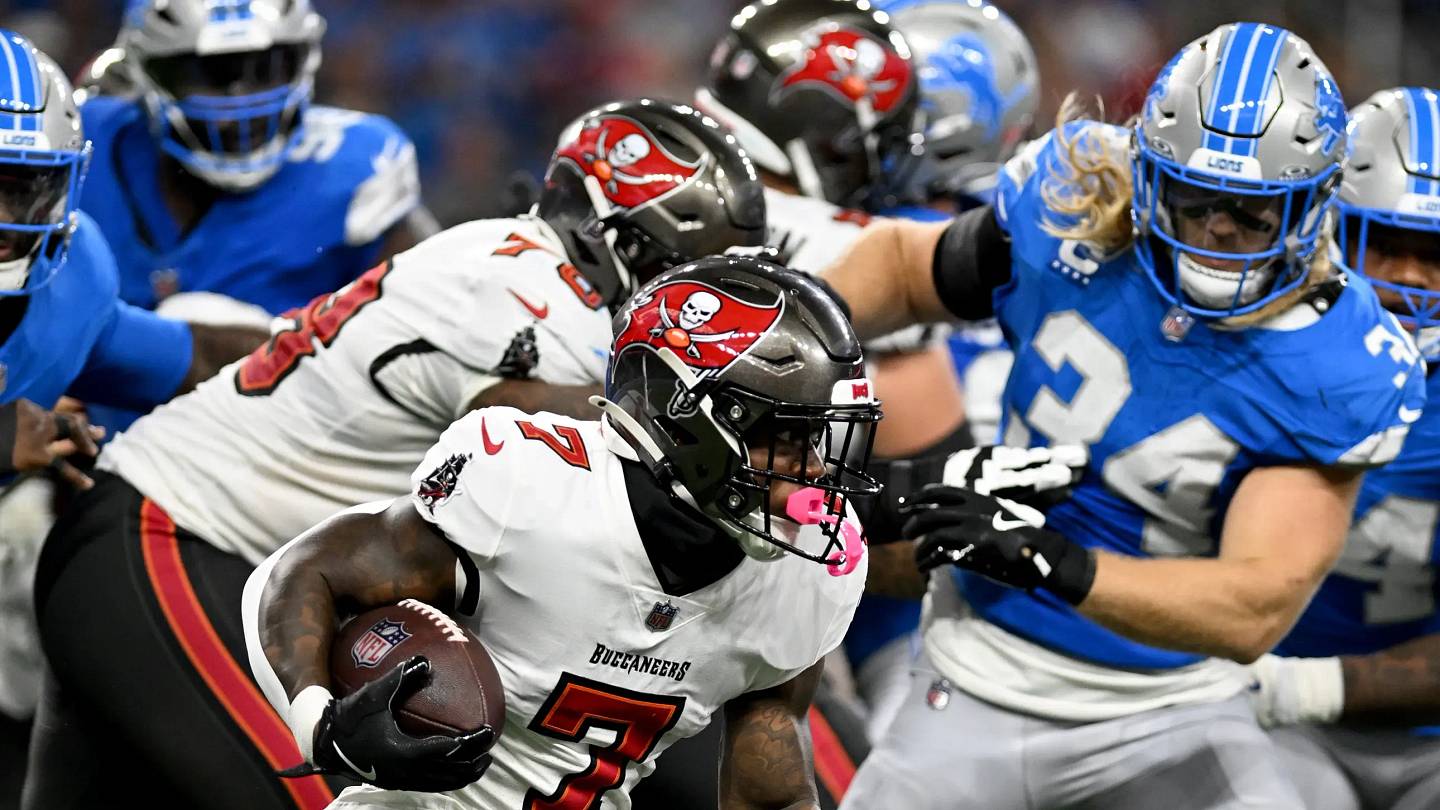
NFL’s Top Rush Attack Visits Fifth-Stingiest Run Defense Sunday at Ford Field
The NFL’s leading rushing attack visits the league’s fifth-stingiest run defense Sunday at Ford Field. Tampa Bay has...

Hawaii Officials Investigate Invasive Lone Star Tick and Varroa Mites
Hawaii agriculture officials are investigating two separate invasive pest detections on Oahu and Kauai, Yahoo reported. The Department...

Senate Passes Bill to Designate Route 66 as a National Historic Trail
Senate approved S.2887, the Route 66 National Historic Trail Designation Act, on Nov. 12, 2026. Bill covers approximately...