The outdoor recreation economy’s growth slowed for the fourth straight year in 2025, the Bureau of Economic Analysis said Wednesday.
Inflation-adjusted gross output rose 1.9%, trailing the 2.3% expansion of the overall U.S. economy, according to the federal data. The sector still hit a record $1.3 trillion in economic output, making up 2.3% of national GDP and supporting roughly 5 million jobs.
“Everybody was buying a bike, or a kayak, or a stand-up paddleboard,” said Jedd Rose, co-founder of the Fort Collins-based brand Topo Designs. “And, you know, you only really need one of those for a long period of time.”
Rose said Topo benefited from marketing its packs as everyday items, yet the company still wrestled with tariff uncertainty, inflation and affordability pressures last year. “It just is expensive to buy gear,” he said. “It’s expensive to buy gas. It’s expensive to do all of those things that, historically, were considered more of the affordable activities that you could do.”
Mountain West states lean hardest on the outdoors
The industry carries outsized weight in the Mountain West. Montana, Wyoming, Colorado and Idaho all rank among the top ten most outdoor-dependent state economies. In Montana, outdoor recreation accounts for 4.9% of state GDP.

Colorado claimed the tenth-largest outdoor economy at $18.5 billion, up $400 million from 2024, though that annual gain was roughly half the pace recorded between 2023 and 2024. The state leads the country in winter sports, generating $1.75 billion from skiing and snowboarding — more than double California and nearly triple Utah.
Nevada posted the fastest growth rate in 2025 at 6.8%, driven by festivals, concerts and events. RVing anchored the outdoor economy in Montana, Idaho and New Mexico, while hunting, shooting and trapping led in Arizona and Wyoming.
Jobs hold up even as output decelerates
Employment in the sector rose 1.7% in 2025, outpacing the 0.4% gain across the broader economy, the BEA data show. The Outdoor Recreation Roundtable, which represents 110,000 businesses, emphasized that resilience during a webinar on the new numbers.
“The new data reinforces what outdoor recreation businesses and communities across the country already know: our industry is strong, resilient and an essential part of the American economy,”
said Whitney Potter Schwartz, interim president of the Outdoor Recreation Roundtable.
But Schwartz acknowledged headwinds that could demand policy attention. “Trade stability matters,” she said, noting that tents, footwear, bikes and fishing gear depend on global supply chains. The association also flagged aging campgrounds, trails and roads as barriers to access.
Public lands maintenance and a Colorado funding win
Last week the Roundtable’s policy arm led more than two dozen business groups in urging Congress to pass the America the Beautiful Act, which would restore deferred-maintenance funding for public lands that lawmakers let lapse last year.
In Colorado, voters approved a ballot measure this month directing a portion of sales tax revenue toward parks, trails, outdoor equity programs and wildfire mitigation. Conor Hall, director of the state’s Outdoor Recreation Industry Office, said the measure should deliver an estimated $92 million annually.
“I think it should be a wake-up call for folks,”
Hall said before the data release. “This is such an important economic driver for this state. This is something we need to invest in, and support, and do what we can to help get through the tough time here, because it impacts all of us.”
The Bureau of Economic Analysis, which produced Wednesday’s report, traces its roots to the Division of Commerce and Navigation founded in 1820 and a Statistical Office created in the Department of State in 1856.
Today it operates as a principal agency of the U.S. federal statistical system within the Department of Commerce with about 500 employees and a roughly $101 million annual budget. Its regional accounts, used to distribute more than $400 billion in federal funds each year, also underpin the state-level outdoor recreation estimates cited in this story.
The federal tally for Colorado — $18.5 billion — remains well below the $52.1 billion the state’s own 2025–2029 comprehensive plan estimates, a gap the state attributes to its use of visitor and resident surveys rather than business tax filings.
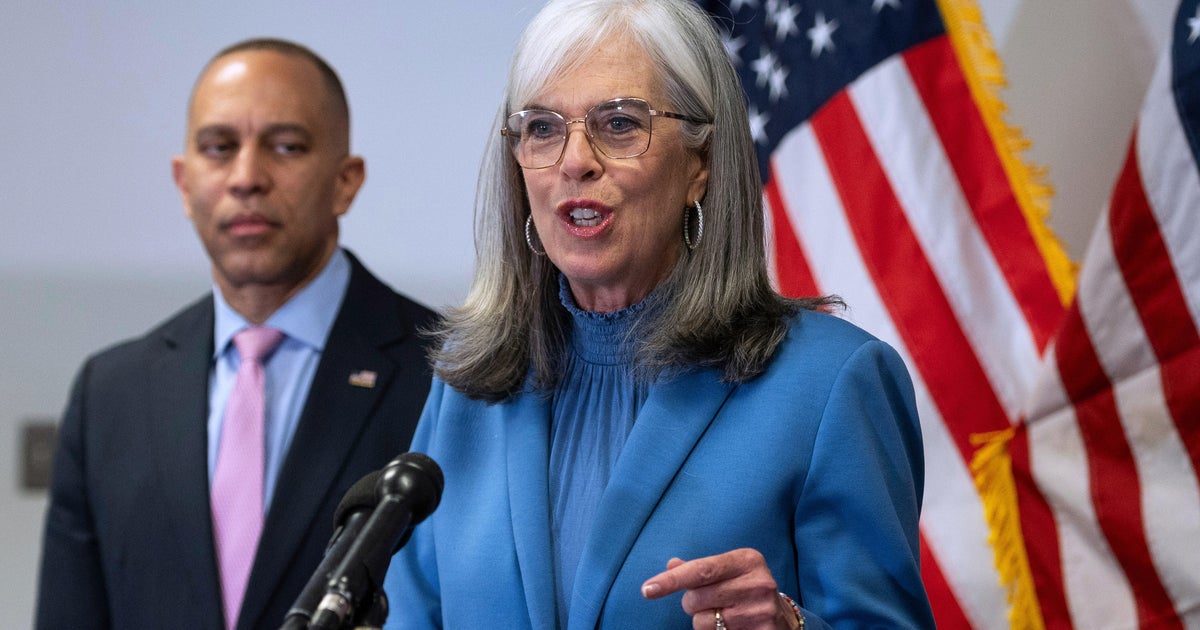
Democrats Elect Katherine Clark as First Woman House Majority Leader
Democrats voted Wednesday to make Massachusetts Congresswoman Katherine Clark the next House majority leader, the first woman to...

Portland Council Weighs Fair Share Tax Raising CEO Surtax, Exempting Small Firms
Portland’s city council weighed a revamped CEO pay surtax Wednesday that could steer roughly $70 million a year...

Kansas City Current Defender Laney Rouse Called Up to U.S. U-23 Women’s National Team
Kansas City Current defender Laney Rouse earned a call-up to the United States Under-23 Women’s National Team on...

Colorado Springs Hits Prop 123 Target With 2,274 Affordable Units, $35M in State Funding
Colorado Springs hit its Proposition 123 target this week, locking in 2,274 affordable units and securing $35 million...