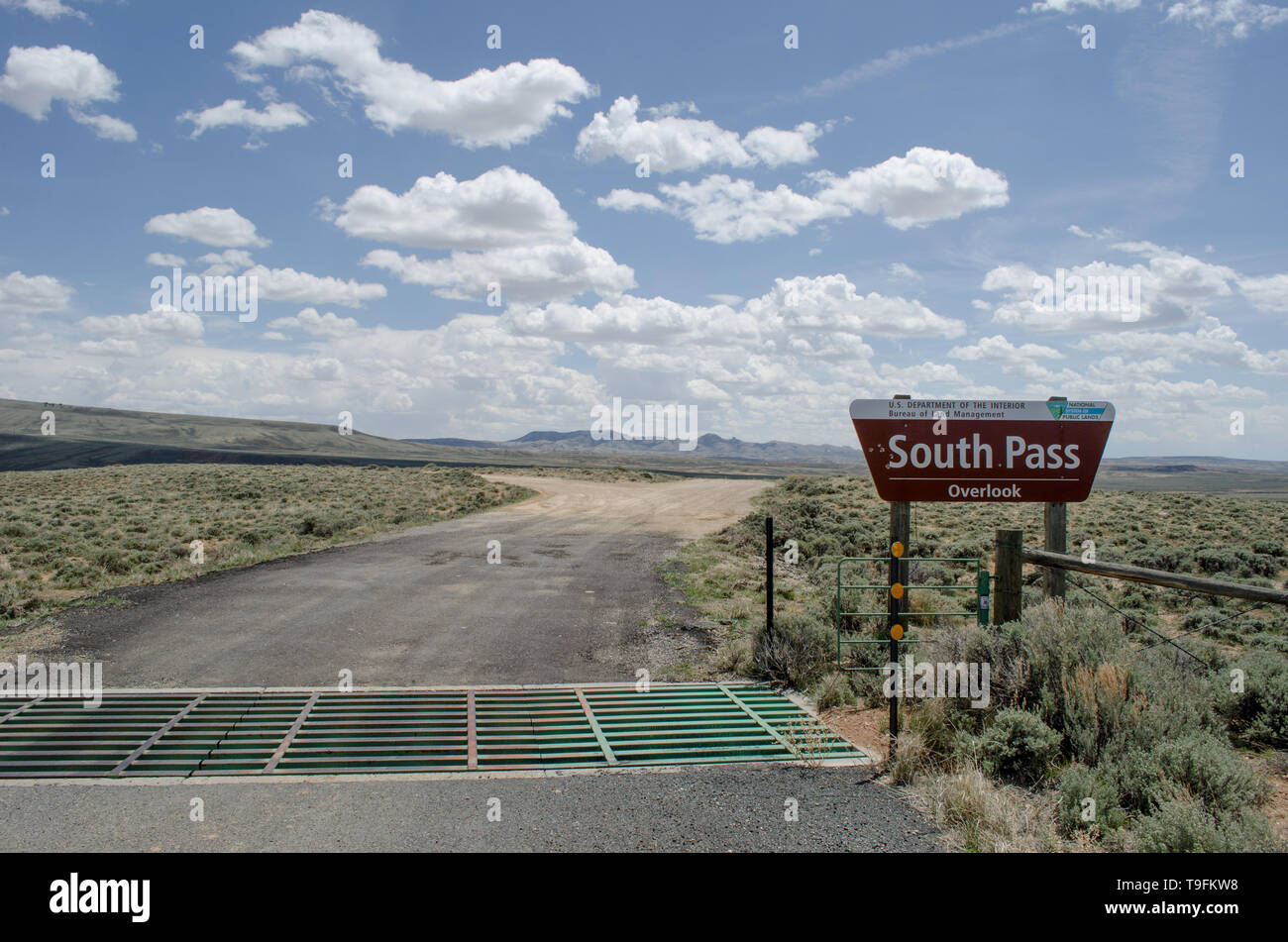
Outdoor writer Mike Bezemek has spent two years retracing a Yazoo traveler’s described crossing of the Continental Divide, arguing the route matches the Oregon Trail corridor rather than the Missouri River path Lewis and Clark followed.
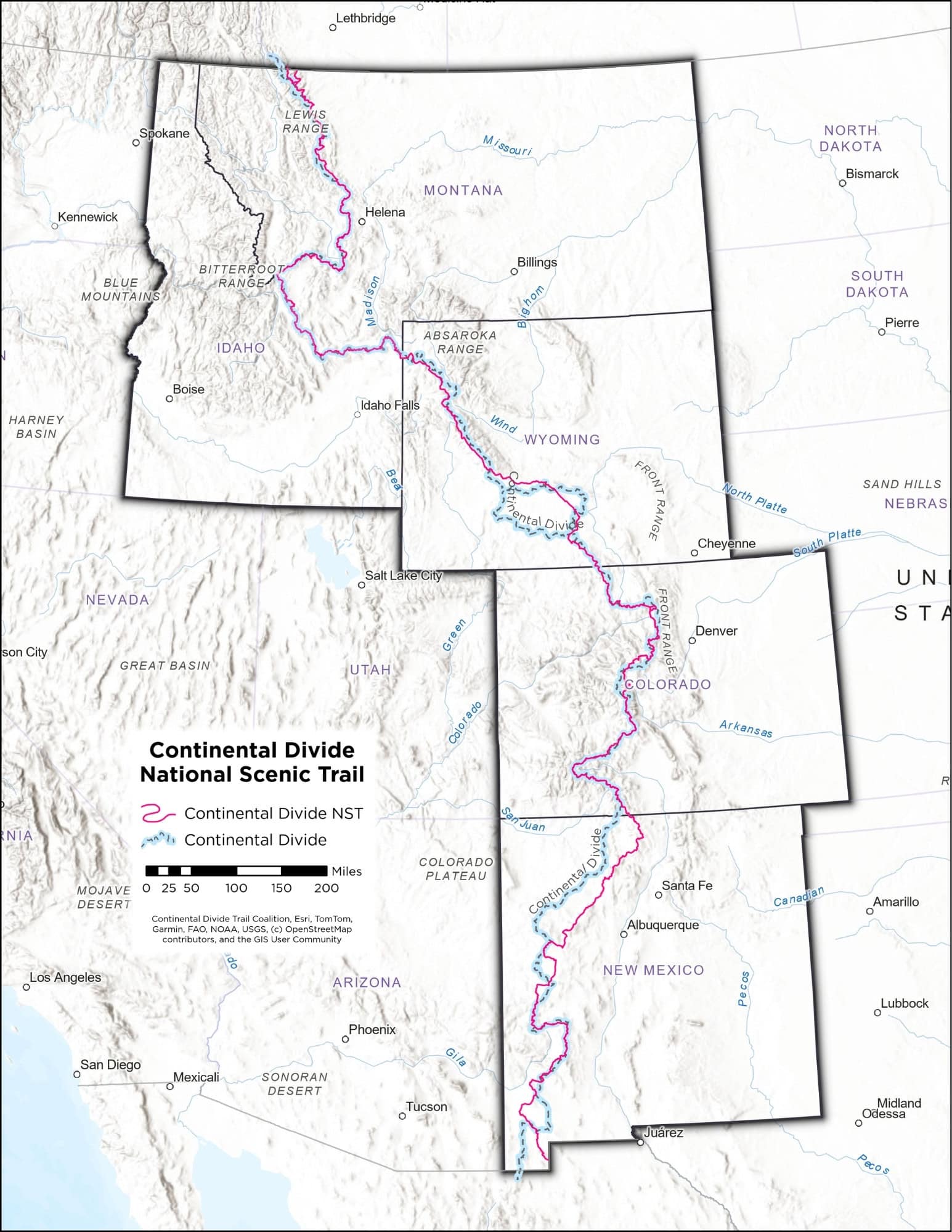
- Bezemek contends Moncacht-Apé crossed the Rockies via South Pass a century before Lewis and Clark
- French colonist Le Page du Pratz recorded the journey in 1758; Lewis carried the English translation in 1804
- University of Oregon scholar Gordon Sayre believes Le Page invented the traveler and the route
- Bezemek has consulted Umatilla, Shoshone and Northwest Coast tribes for oral history and clues about the land
River name error may have redirected history
According to Le Page du Pratz, Moncacht-Apé traveled up the Missouri River, turned north and reached a westward-flowing river in several days — an easy crossing the Frenchman recorded after a three-day interview in French Louisiana.
Lewis and Clark, carrying the English translation of the 1758 Histoire de la Louisiane, ascended the Missouri into the Bitterroot Mountains and endured a month-long crossing, a discrepancy that led generations of historians to dismiss the Indigenous traveler’s account as fabricated.
Bezemek, a geology graduate and former whitewater guide, recognized the described terrain. “I’ve been in all of these areas so I was like, wait a second,” he told oregonlive.com. “That would make so much more sense that Moncacht-Apé would follow the Native trade route that later becomes the Oregon Trail.”
Retracing the route on the ground
Over two years, Bezemek followed the Platte River across the Plains, hiked Teton Pass, crisscrossed the Snake River Plain and traversed Oregon’s Blue Mountains to the Olympic Peninsula. He compared topography, plants, animals and foods against Moncacht-Apé’s descriptions, and consulted Native communities whose ancestors may have encountered the traveler.
At the Tamástslikt Cultural Institute on the Umatilla Indian Reservation, a food expert identified “cous,” or biscuitroot, as the likely source of the “small grains, smaller than French peas” Moncacht-Apé described eating as porridge.
Museum director Bobbie Conner shared an oral history of a French-speaking stranger the Nez Perce encountered decades before Lewis and Clark. “The story does not identify him as Moncacht-Apé,” Conner cautioned oregonlive.com, “but it was a start.”
Scholar disputes the traveler’s existence
Gordon Sayre, who has translated Le Page du Pratz’s work, once found the journey plausible but reversed his view after a 1735 map attributed to the Frenchman surfaced in France in 2007. The earlier map omits Moncacht-Apé’s route; a later published map includes it. Sayre suspects Le Page invented the story and the second map after returning to France to promote Pacific trade and his own expedition ambitions.
“I believe that Native people made long journeys like that,” Sayre told oregonlive.com. “I don’t doubt that someone traveled all the way across western North America, but I don’t think it was this guy Moncacht-Apé or that Le Page du Pratz interviewed such an explorer.”
Translation chain and cultural gaps shaped the narrative
Le Page du Pratz lived in French Louisiana for 16 years during rapid colonial expansion, slavery, disease and warfare. He acknowledged difficulty translating concepts between European and Indigenous frameworks. It remains unclear whether Moncacht-Apé spoke French or an Indigenous language Le Page knew, and the Frenchman transcribed the interview nightly but did not publish it for nearly three decades.
“A guy goes on a trip for eight years in the late 1600s. And then he has three days to tell his story,” Bezemek said. “I think of the chain of languages and cultures. I think there were some errors in the quality of the translation and interpretation.”
Moncacht-Apé, the Yazoo traveler whose name means “the killer of pain and fatigue,” was called “the Interpreter” by the French for his extensive knowledge of Native languages, according to Le Page du Pratz’s account of their meeting in the colony of Louisiana before the 1729 Natchez War.
Le Page wrote that Moncacht-Apé made a round-trip transcontinental journey across North America in the late 17th century, crossing the Continental Divide and following a westward-flowing river he called “The Beautiful River” to the Pacific Ocean.
Bezemek continues retracing routes, most recently in Southeast Alaska pursuing clues about bearded men Moncacht-Apé described near the Pacific Coast who arrived by boat and reportedly tried to take young people. He plans to consult more Native communities, including the Chinook Indian Nation.
Letters Notify 250,000 Utah Customers of Automatic Clean Energy Enrollment With $4 Fee
Letters notifying roughly 250,000 Rocky Mountain Power customers in 16 Utah communities hit mailboxes this week, confirming automatic...
California AG Bonta Warns 8 Inland Empire Cities Over Upcoming AB 98 Truck Route Deadline
California Attorney General Rob Bonta sent enforcement letters in October to eight Inland Empire jurisdictions that missed a...

Michigan Has No Meal Break Mandate for Adults; Rules Differ for Minors, Nursing Mothers
Michigan does not require meal or rest breaks for employees 18 or older, a baseline that applies to...

Nearly 300 Students Perform at 2026 Iowa All-State Music Festival in Ames
Nearly 300 high school musicians filled Hilton Coliseum in Ames for the 2026 Iowa All-State Music Festival, a...