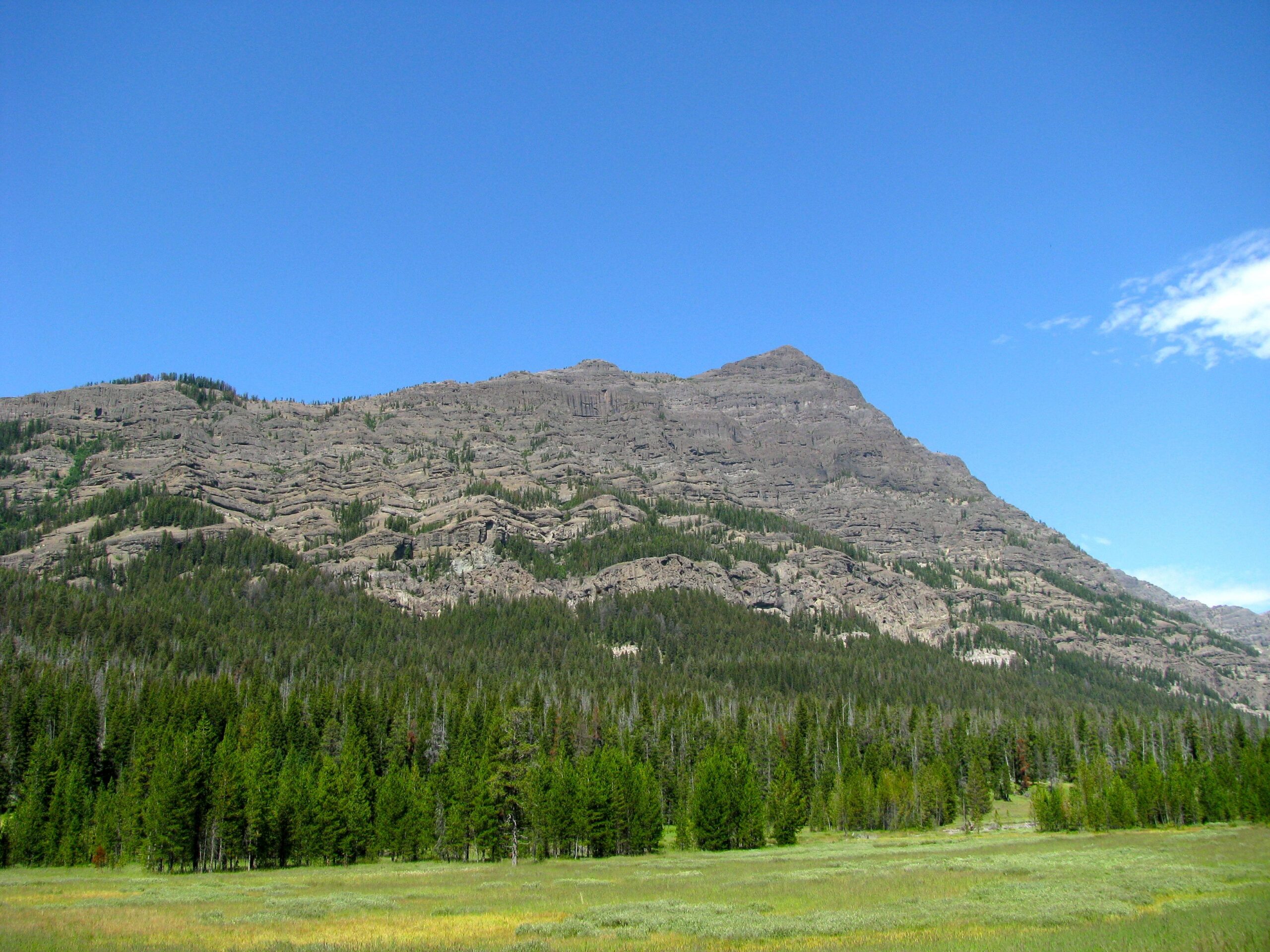
Montana roadless lands face a new legislative push as outgoing lawmakers attempt a lame-duck maneuver.
Land Deals and Proposals
Montana politicians are demanding that environmental groups negotiate with timber companies and motorized recreation advocates to build collaborative public land bills.
Outgoing Representative Ryan Zinke hopes to attach his A River Runs Through It Act (H.R. 10529) to a massive omnibus public lands package during the lame-duck session in Washington. According to CounterPunch.org, the 465,000-acre bill would designate only 130,000 acres as Wilderness, with about 100,000 of those acres located on steep Bob Marshall Wilderness slopes that are already too precipitous for logging or motorized vehicles.
Most lower, wildlife-rich wildland would go toward timber production, new roads, and motorized recreation. Furthermore, the Flathead Beacon reported that two pristine Bureau of Land Management wilderness study areas, Hoodoo Mountain and Wales Creek, would lose their protected status entirely.
A similar measure, the Greater Yellowstone Conservation and Recreation Act, targets the 250,000-acre Gallatin Range. Collaborators have agreed to give up all but 102,000 acres, shrinking the 155,000-acre Hyalite-Porcupine-Buffalo Horn Wilderness Study Area to allow increased logging, according to CounterPunch.org. Critics note the irony of green groups endorsing these abandonments while simultaneously trying to protect the exact same acreage from the Trump administration’s efforts to eliminate the 2011 Roadless Rule.
Advocating Preservation While Surrendering Land
According to CounterPunch and the Flathead Beacon, conservation leaders who embrace this compromise strategy are simultaneously fighting to protect the acreage by trying to prevent the Trump administration from eliminating the 2011 Roadless Rule.
Source articles note that donations are being spent on collaborating with wilderness adversaries to patch together complex proposals like Representative Ryan Zinke’s legislation.
Decades of Stalemate
Public opinion polls consistently show that a majority of Montanans support Wilderness and permanent protection for roadless federal areas. Yet political leaders view such proposals as toxic, according to CounterPunch.org.
The last real Wilderness bill passed in the state was the Lee Metcalf Wilderness Bill in 1983. Most of the nine wilderness study areas included in the Montana Wilderness Study Act of 1977 (S.393) have spent fifty years without receiving the designation intended by their champion, the late Senator Lee Metcalf, as noted by CounterPunch.org.
Outgoing Representative Ryan Zinke brings a legislative and executive record that includes serving as the U.S. representative for Montana’s at-large congressional district from 2015 to 2017 and as the U.S. representative for Montana’s 1st congressional district since 2023.
This tenure, combined with his previous experience as a member of the Natural Resources Committee, establishes the political standing and legislative positioning behind his current push for a major public lands bill during the lame-duck session.
What comes next depends on whether Congress moves forward with Zinke’s omnibus strategy during the current lame-duck session without standard public hearings.
Related reading
14-Year-Old Dies, Another Injured in 500-Foot Fall in Angeles National Forest
A 14-year-old boy died and another teenager was injured after falling approximately 500 feet down an icy mountain...
Arkansas Rural Hospitals Convert to Emergency Status for Federal Funds
Rural Arkansas hospitals are dropping inpatient services to secure federal funding through a congressional Medicare designation established in...
Kentucky Ready for Winter With 1,500 Plows, 270,000 Tons of Salt, Beshear Says
Gov. Andy Beshear says Kentucky has nearly 1,500 plow trucks and 270,000 tons of salt ready for winter....
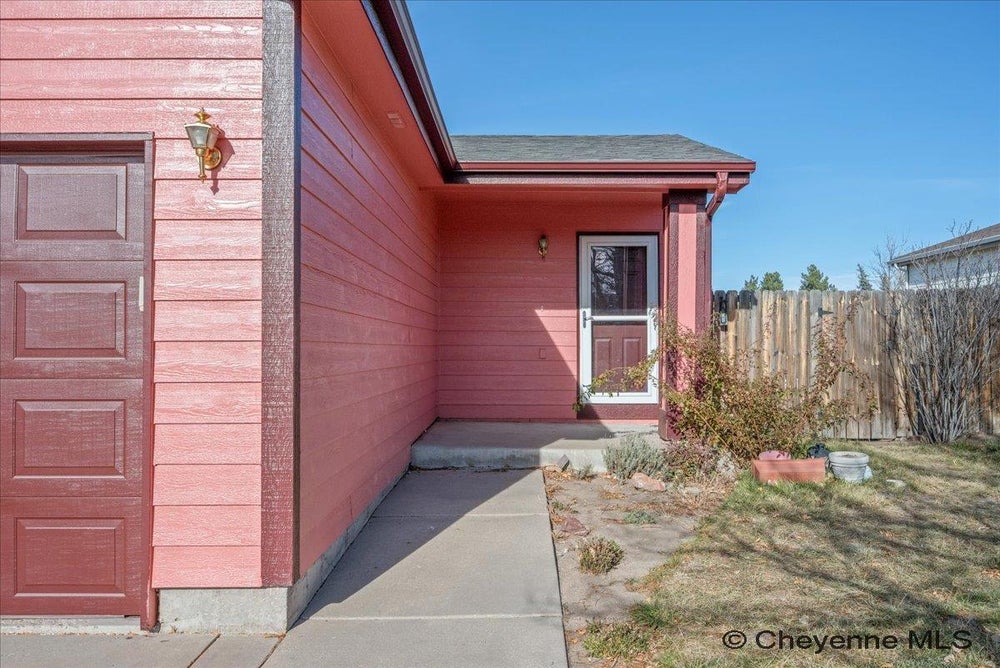
MLS Details for Stonewood Drive Home Circulate via Coldwell Banker
Stonewood Drive property listings in Cheyenne, Wyoming, drew new attention as [MLS# 102731] details circulated online through Coldwell...