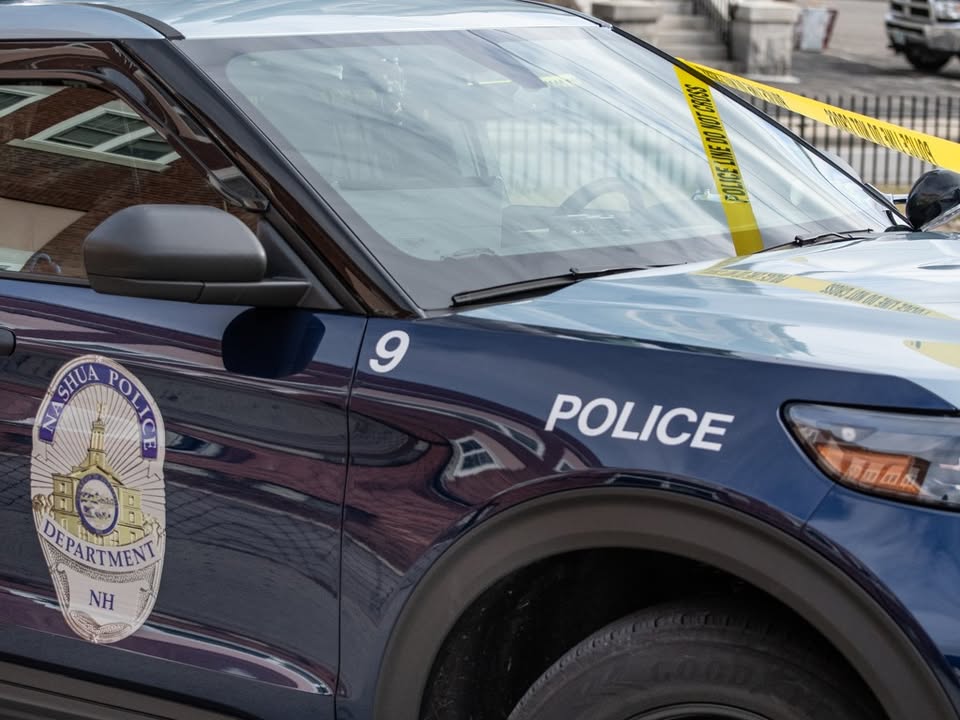
More than 10 percent of New Hampshire police officers could face suspension by the end of the year if they fail to complete mandatory physical fitness testing, according to reporting by InDepthNH.org.
With a Dec. 31 deadline rapidly approaching, 499 officers have yet to finish their physical assessments, New Hampshire Police Standards and Training Council Executive Director John Scippa told InDepthNH.org. Those incomplete evaluations threaten department staffing levels across the state.
“Starting Jan. 1, they will be suspended from duty until such time as they can get the tests done,” Scippa told InDepthNH.org.
The state employs nearly 4,000 police officers total, putting the 499 outstanding staff members at just over 10 percent of the entire statewide force. New Hampshire remains the only state in the country that requires police officers to pass a physical fitness test every three years, according to Scippa.
The evaluation process requires prior doctor visits and extensive paperwork alongside standard physical exercises like a mile-and-a-half run, push-ups, and sit-ups adjusted for age and biological sex. Scippa said that while many of the 499 officers may have already finished their actual physical exams, the associated paperwork remains backlogged or is still being processed by the agency.
Other delays stem from individual procrastination or the time required to secure medical clearance from a personal physician, which can take up to a month. Officers recovering from injuries or serious medical conditions can secure six-month waivers or delay testing for up to two years with a doctor’s recommendation.
Pat Sullivan, Executive Director of the New Hampshire Association of Chiefs of Police, told InDepthNH.org that local chiefs manage their staff schedules closely, but administrative paperwork often lags behind. For smaller departments, losing even a single officer creates an immediate operational crisis.
“A lot of it’s just paperwork that hasn’t caught up yet,” Sullivan told InDepthNH.org.
Efforts to change the system have previously stalled in the state legislature. Scippa sought a bill last year to shift fitness oversight entirely to local police chiefs, which passed the House before dying in the Senate.
Both officials pointed out that the triennial testing requirement complicates officer retention, pushing older veterans toward early retirement while younger recruits look to neighboring states without ongoing testing mandates. Sullivan also criticized the current test format for measuring generic exercise markers rather than specific job-related physical tasks, such as sprinting, lifting individuals to safety, or pushing a patrol vehicle.
Scippa and staff at the Police Standards and Training Council are currently collaborating with Plymouth State University to design a more task-oriented evaluation measuring real-world movements like climbing stairs, jumping fences, and sudden sprinting.

Arkansas Ranks 42nd in 2027 Sales Tax Index, Up Three Spots Since 2020
Arkansas climbed three spots to rank 42nd on sales taxes for 2027, according to a newly released report...

UConn at Arizona: TV Channel, Streaming, Game Time for Nov. 18 Matchup
The No. 3 UConn Huskies hit the road to face the No. 12 Arizona Wildcats at McKale Center...

Alaska Primary Voter Turnout Beats 2014 Record, Division Says
Based on initial data released Wednesday by the Alaska Division of Elections, participation in this year’s midterm election...
Multiple Alabama Schools Locked Down in Coordinated AI Hoax Call Wave
Alabama schools were supposed to be winding down a Wednesday afternoon; instead, a wave of coordinated hoax calls...