
The Oregon Washington Health Network (OWHN) is bringing healthcare, substance use treatment, and social services directly to rural residents through its UCOPE/COPES mobile services program, OWHN reported.
The initiative aims to bypass traditional barriers such as long distances, lack of transportation, and social stigma that frequently prevent people in rural communities from accessing essential care.
By moving services out of static clinics and into the community, the program attempts to bridge the gap for those living in underserved areas of Eastern Oregon.
The program has changed its delivery model to better serve its target demographics. While it originally launched as a standard mobile clinic, the organization recognized that traditional medical models were not reaching the most vulnerable populations.
In response to this realization, the program pivoted to a peer-led outreach strategy. This new approach focuses on relationship-building and establishing trust with community members in their own environments.
Staff and peer support specialists now engage with individuals in various locations, including:
- Neighborhoods and residential areas
- Local parks
- Encampments
- Treatment centers
- Community gathering spaces
This method of meeting people where they are has allowed the program to connect more effectively with individuals facing housing instability and substance use disorders.
Beyond immediate medical needs, the UCOPE/COPES mobile services act as a conduit to a broader network of support. The program assists community members with several layers of essential services.
The outreach teams provide health screenings and assistance with benefits enrollment. They also facilitate referrals to both behavioral health services and medical care.
For those struggling with the logistics of rural life, the program offers connections to housing resources, treatment, recovery support, and transportation assistance.
The Oregon Rural Health (ORH) recently selected the Oregon Washington Health Network for its Rural Organization Highlight Series. This series is designed to recognize organizations that are implementing positive changes within Oregon’s rural landscapes.
The success of the UCOPE/COPES model suggests that flexibility and community listening are vital components for improving health outcomes in remote regions. By adapting its service model to match the specific needs of the community, the program has expanded its reach across the region.
Keep reading

China’s October Exports and Imports Surge as YTD Surplus Tops $1T
China’s goods exports jumped 35.2% year-on-year in October, beating analyst expectations and pushing the nation's year-to-date trade surplus...

Virginia DMV Announces New Driver License Rules for 18-to-20-Year-Olds
Virginia 18- to 20-year-olds will face new waiting periods before they can obtain their first driver's license, according...
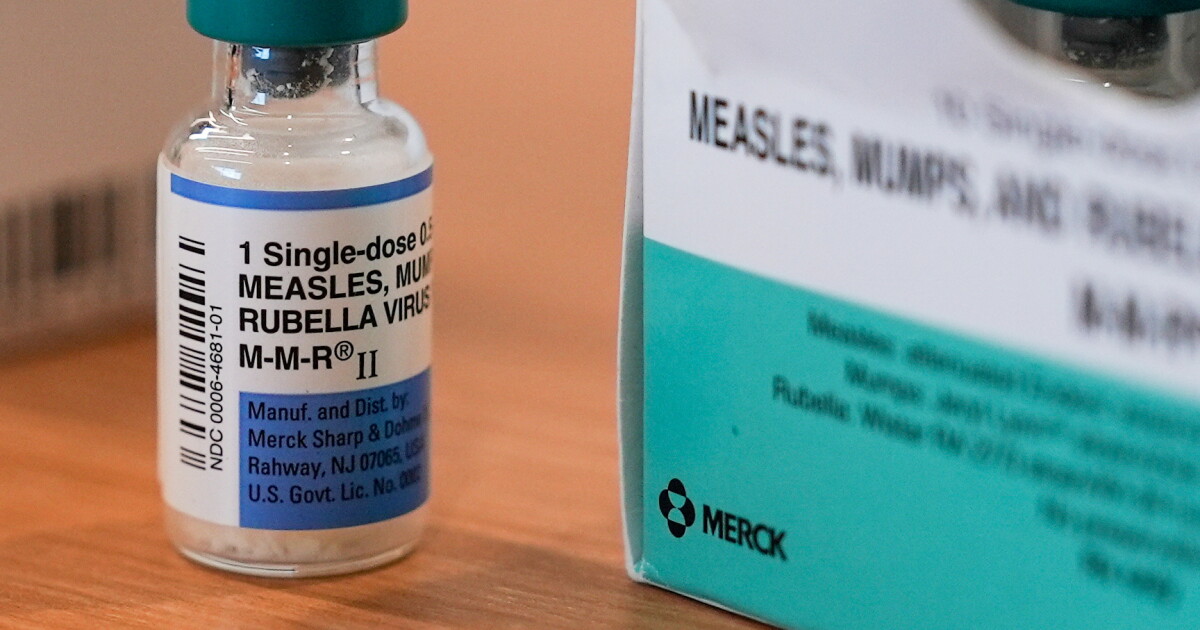
Measles Cases Confirmed in Orleans County, Vermont
Vermont health officials have confirmed cases of measles in Orleans County, according to reports from nenc.news and capeandislands.org....

Salt Lake City Finishes 600/700 North Reconstruction Project
Salt Lake City finishes 600 North reconstruction Major roadwork on 600/700 North has reached completion after two years...