
Nebraska’s early Medicaid work rules stripped coverage from 533 enrollees by August, 92% of them for missing paperwork rather than failing the requirement, Nebraska Examiner reported.
- 92% of 533 disenrollments were procedural — enrollees did not return forms or respond to notices.
- Nebraska began May 1, eight months before the federal 2027 deadline, making it the first state to enforce the rules.
- The Trump administration on Nov. 13 gave states until July 2027 to start dropping coverage; states must decide by Dec. 11 whether to proceed in January.
- About 70,000 Nebraska expansion adults are subject to the rule; roughly 37% met it and 61% qualified for exemptions.
Procedural losses dominate early data
Of the 533 existing enrollees who lost coverage at renewal, 490 were dropped for procedural reasons — unreturned forms, missed notices, or missing records — while only 43 were found not to meet the work or exemption criteria, according to state data released through August and reported by KFF Health News on Nov. 25. Another 557 new applicants, about 14% of those subject to the rule, were denied for work‑requirement reasons, Nebraska Examiner reported.
“It’s not as simple as typical eligibility enrollment that you can meet via income and household size,” interim Medicaid director Jeremy Brunssen told KFF Health News, explaining the high procedural rate. The state verified roughly 8 in 10 enrollees through state and federal databases, requiring no extra paperwork from them.
Enrollees describe confusion and long waits
Cheri Stollar, 48, of Lincoln received a renewal notice in early November with less than a week to respond and could not reach the state by phone. “I want to make sure I send in everything they need,” she told Nebraska Examiner. Her renewal was later completed.

Chalandria James, 37, of Omaha got no response to her July renewal, canceled a blood‑pressure appointment, and learned in September — after a multi‑hour visit to a state office — that she was exempt because she has a child under 14. “It was nerve‑racking not knowing,” she told Nebraska Examiner.
Callers report holds of up to two hours on a help line open only weekday daytime hours. State officials say they are adding staff.
Officials and advocates read the numbers differently
“We are experiencing what we expected,” Brunssen said. “The vast majority of people newly applying, or for those going through redetermination, are getting coverage or retaining coverage.” Fewer than 25% of enrollees subject to the rule have been reviewed so far; the rest are due by next summer.

Amy Behnke, CEO of the Health Center Association of Nebraska, called the high share of procedural denials “troubling.” Sarah Maresh, program director at Nebraska Appleseed, said, “We have seen a lot of negative effects so far. Every person that goes without coverage is a problem.”
Joan Alker, executive director of Georgetown University’s Center for Children and Families, said the policy “punishes low‑income people by subjecting them to serious, often insurmountable, hurdles.”
Federal timeline shift and state choices ahead
On Nov. 13 the Trump administration gave states the option to delay enforcement until July 2027 instead of January. States have until Dec. 11 to decide whether to proceed on the original schedule, according to CMS guidance. Congressional Democrats, who will control both chambers next year, said they will prioritize legislation to stop the requirements before full enforcement.
The rules apply to about 20 million low‑income adults in the 43 expansion states plus Washington, D.C., requiring 80 hours a month of work, volunteering, or school, with exemptions for caregiving, medical frailty, and other categories. Nebraska also exempted residents of three high‑unemployment counties and two federally declared disaster counties.
Nebraska promised a public performance dashboard this summer but had not posted it as of mid‑November, Nebraska Examiner reported.
Keep reading

Nebraska’s Harper Murray Announces Return for Fifth Season in 2027
Nebraska outside hitter Harper Murray announced Saturday that she will return for a fifth season with the Huskers...
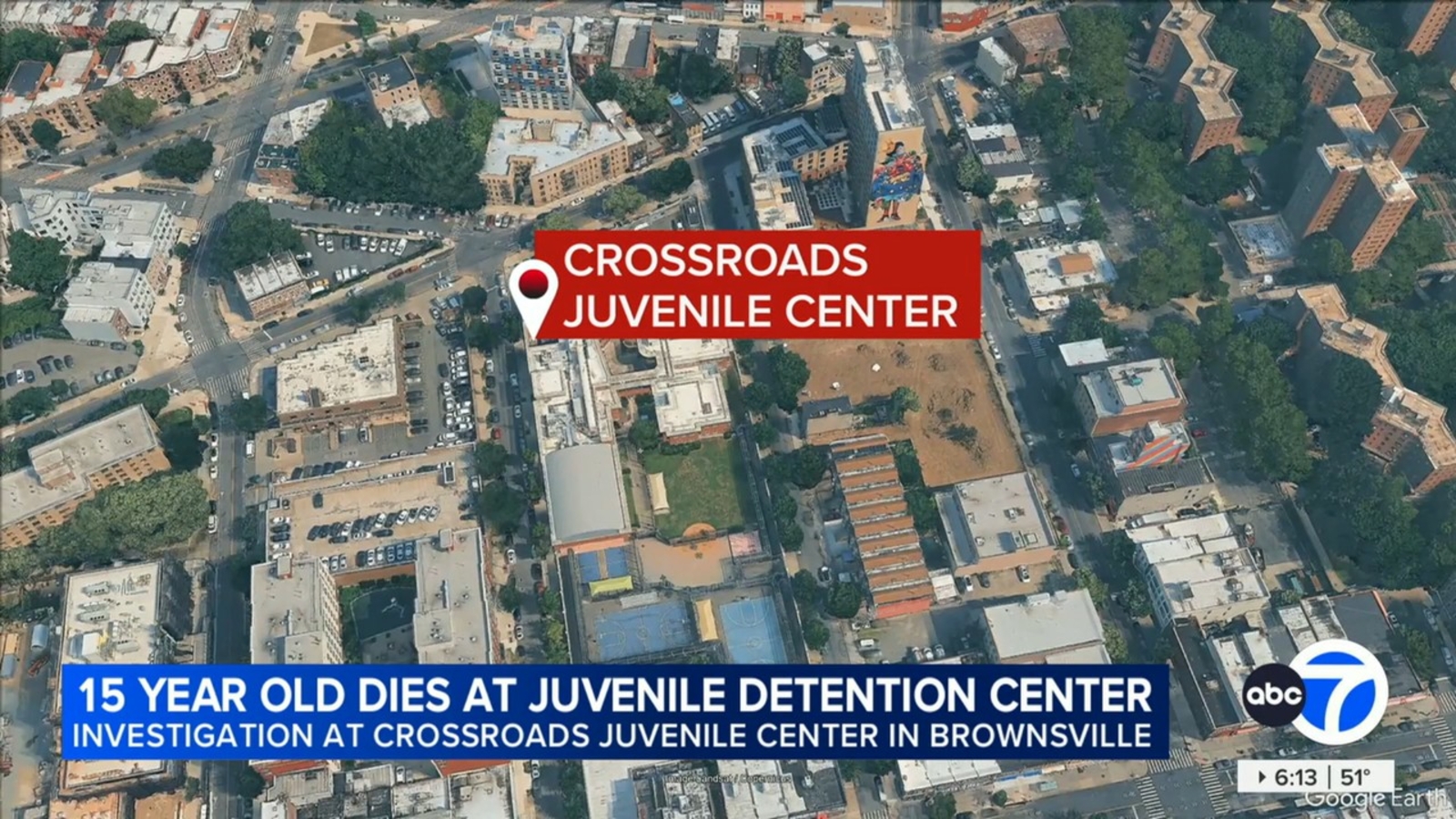
15-Year-Old Found Dead at Brooklyn Crossroads Juvenile Center
A 15-year-old boy was pronounced dead around 7:30 a.m. Saturday at the Crossroads Juvenile Center in Brownsville, Brooklyn,...

James Madison Routed Coastal Carolina 66-10 in Regular Season Game
James Madison University routed Coastal Carolina 66-10 on Saturday at Bridgeforth Stadium, closing the Dukes' regular season and...

UCM Defeats Charleston Southern 88-86 in Overtime
UCM defeated Charleston Southern 88-86 in overtime, a game that saw the lead change multiple times. The game...