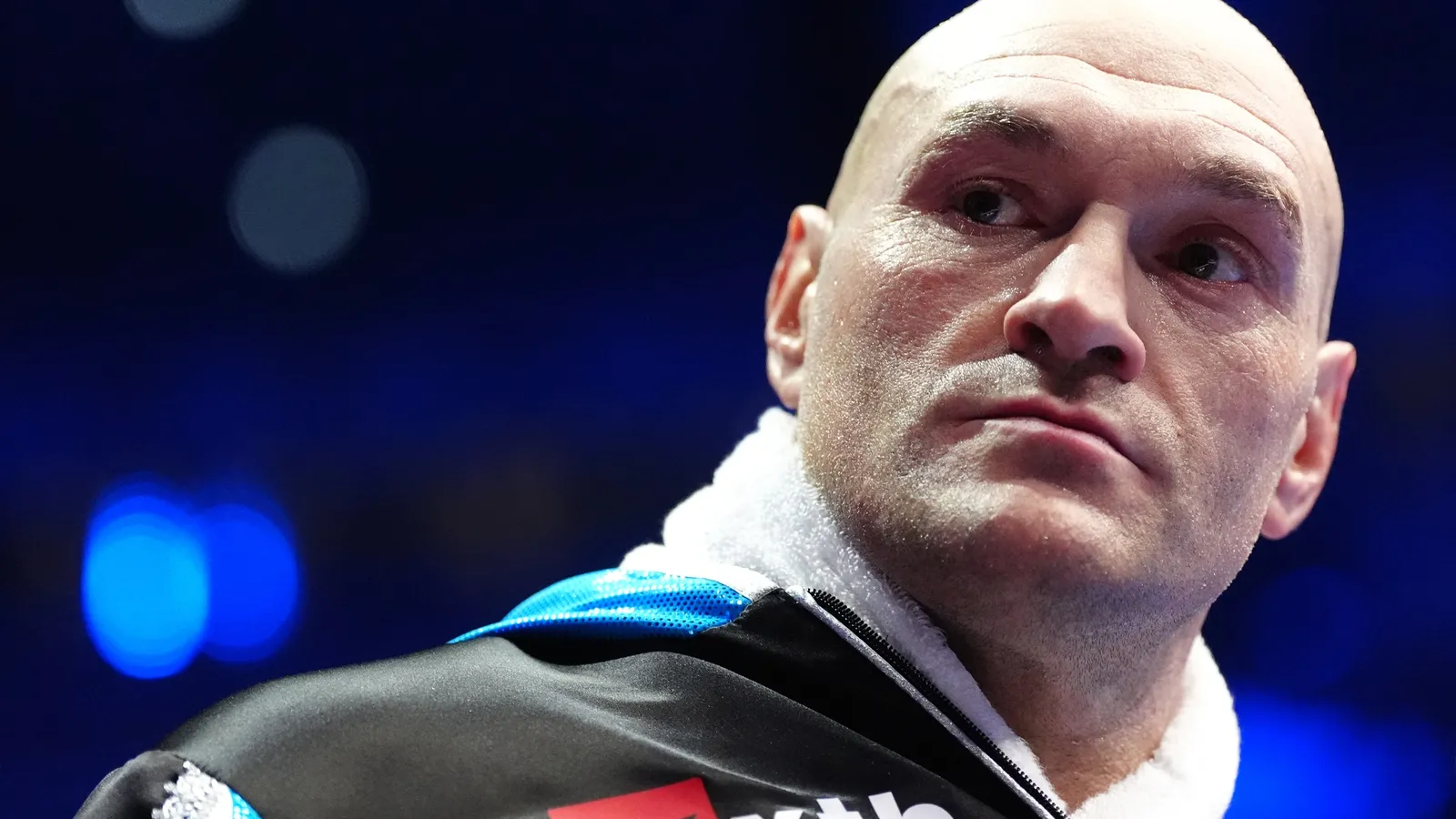
- Paris Fury said Tyson Fury never received a schizophrenia diagnosis, retracting comments from a Netflix documentary.
- The British Boxing Board of Control was investigating the comments and was “fairly confident” Fury would be cleared.
- Netflix updated the documentary before its Friday release to reflect the clarification.
- Fury faces Joshua for the vacant WBA title at Principality Stadium on Dec. 11.
Paris Fury issued a statement Thursday clarifying remarks she made in an initial version of the Netflix documentary “Tyson Fury,” which debuts Friday.
“I recalled a conversation from many years ago when discussing Tyson’s condition and I used the word ‘schizophrenic'”, she said. “Whilst Tyson did show some symptoms associated with schizophrenia, he doesn’t have this condition and has never received a diagnosis.” Sky Sports reported the retraction and Netflix confirmed it worked with the family to update the footage ahead of launch.
Earlier Thursday, the British Boxing Board of Control indicated it was investigating the original comments and could deny Fury a licence if he was deemed unfit. Robert Smith, the board’s general secretary, told BBC Sport the board was “fairly confident” Fury would be cleared to fight.
Fury details mental health battle
Tyson Fury described his mental health struggles after his 2015 victory over Wladimir Klitschko, admitting he heard voices in his head and experienced extreme anxiety. “Words can’t explain the darkness I was in,” he said in the documentary, adding he feared he would “end up in a padded room with the door locked.”
Paris Fury speaks out days before husband Tyson's Netflix documentary she 'won't be able to watch'https://t.co/D1r9Lx9LiB
Regulators assess Fury's fitness
The British Boxing Board of Control investigated Fury’s mental health comments under regulation 8.1(b), which lists schizophrenia as a condition that may preclude a boxer from obtaining a licence. General secretary Robert Smith told BBC Sport the board was “fairly confident” Fury would be cleared to fight, noting all boxers on the card undergo medical checks and “if our doctors are satisfied he’s fit to box, he will box.”
Fury’s weight ballooned to 27 stone after his Klitschko victory as he battled suicidal thoughts and alcohol addiction. The board’s review came after Paris Fury retracted her claim that Fury had schizophrenia, clarifying he only showed symptoms associated with the condition but never received a diagnosis.

Fury discusses mental health struggles in new documentary
The documentary explores Fury’s mental health struggles after his unified heavyweight championship victory over Wladimir Klitschko in November 2015. Fury described hearing voices and experiencing what he called “a living version of the pits of hell” before a 2016 hospital admission for a suspected heart attack that doctors determined was a severe anxiety attack. A psychiatrist diagnosed him with depression, anxiety and bipolar disorder, Fury said in the film. “She asked me a gazillion questions, and I ticked all the boxes,” Fury said. Original promotional clips featured Paris Fury saying he was “mild schizophrenic,” which prompted the board’s review. The fight against Joshua, 38, is scheduled for Dec. 11 at Cardiff’s Principality Stadium with the vacant WBA title on the line.
Fury, also 38, holds a 36-2-1 professional record and lost twice to Oleksandr Usyk in 2024. The bout will be streamed live on Netflix. “Words can’t explain the darkness I was in,” Fury said in the documentary. Fury recalled hearing voices in his head that threatened to hurt him and his family, and at one point he heard the radio talking to him and begged Paris to get him out of the hospital because he was paranoid.
Fury, who gained weight and struggled with drug and alcohol addiction after his win over Klitschko, said a Halloween night out in 2017 prompted him to return to training, calling that a “turning point” after being “embarrassed by how I looked”.

Study Finds Turkey Causes Half of Holiday Choking Cases
Turkey accounts for half of all food-choking emergencies that send U.S.

Orioles Finalize One-Year, $12M Deal With Luis Robert Jr. After Blue Jays Interest
Baltimore Orioles outfielder Luis Robert Jr. finalized a one-year, $12 million contract to remain with the club on...

Alonso Confirms Joao Pedro, Lacroix Out for Forest; Caicedo Fit to Play
Chelsea manager Xabi Alonso has provided an injury update ahead of his team's Premier League match against Nottingham...
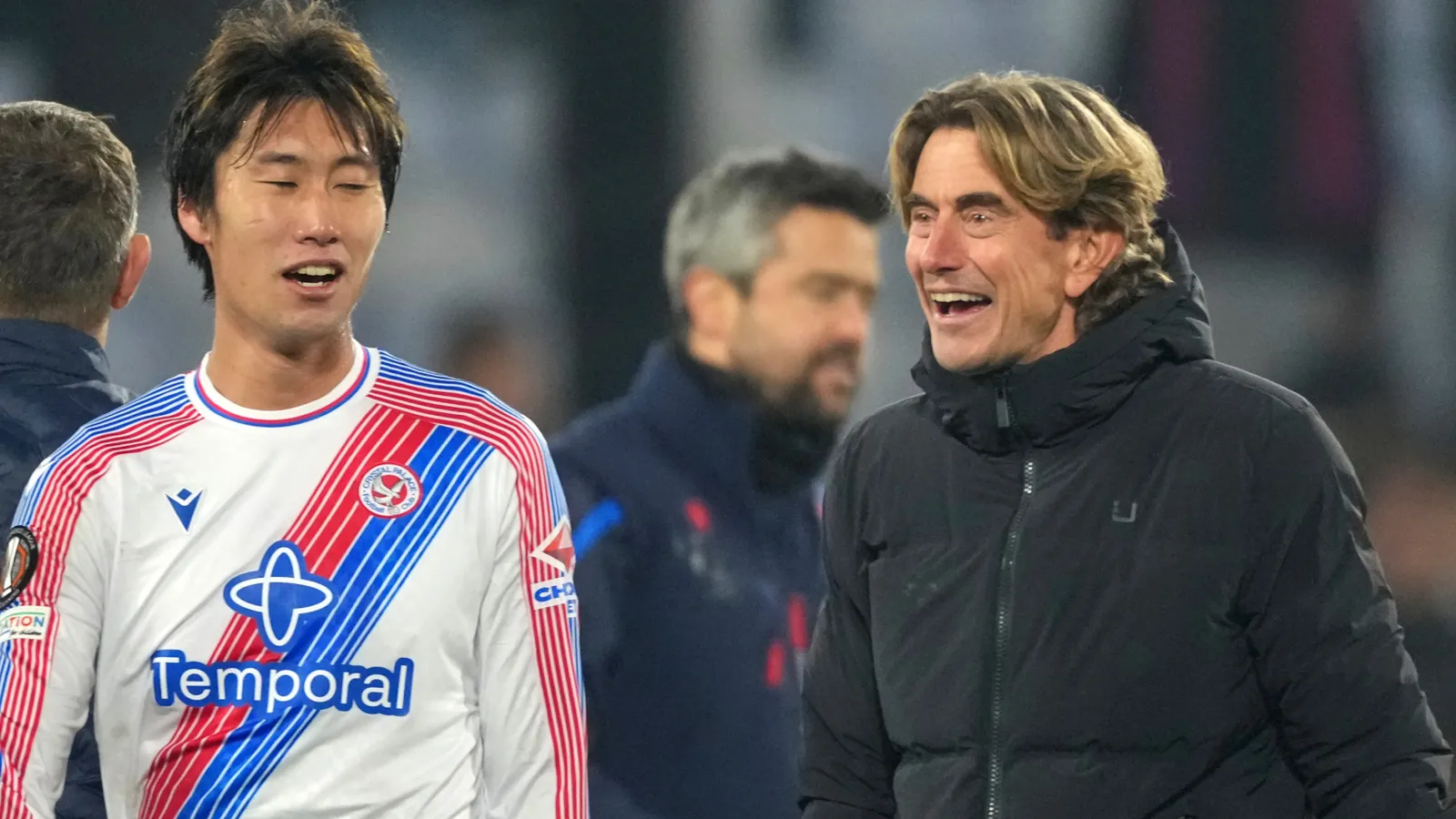
Crystal Palace Beat 10-Man Real Sociedad 2-1 for First Win Under Thomas Frank
Crystal Palace came from behind to beat 10-man Real Sociedad 2-1 in the Europa League, giving manager Thomas...