Pediatric e-bike and e-scooter injuries are surging in the Greater Boston area, prompting medical professionals to warn parents about the escalating risks to children.
According to WCVB, Mass General Brigham for Children has seen a dramatic rise in cases involving young riders using motorized micromobility devices.
The scale of the increase is significant. Mass General Brigham reported a 173% increase in pediatric e-bike and e-scooter cases when comparing summer 2025 to summer 2026. Furthermore, the hospital group noted a 200% increase in pediatric micromobility injuries treated since 2023, WCVB reported.
These localized trends mirror a broader national concern. Research published last month in JAMA Pediatrics identified a “rising injury burden” stemming from minibikes and other motorized vehicles that are specifically marketed to children.
The physical risks of high-speed riding
Electric bikes are not traditional bicycles; they can reach speeds of 30 mph, and certain modifications can push those speeds even higher. Caitlin Coit, a surgical nurse at Mass General Brigham for Children, says the combination of high velocity and significant vehicle weight makes these bikes particularly dangerous for children who may lack the physical strength or coordination to control them.
The medical consequences of these accidents are severe. Coit said that crashes can lead to broken bones and traumatic brain injuries. In some instances, children have died from e-bike injuries, while others require surgery and extensive, long-term rehabilitation, WCVB reported.
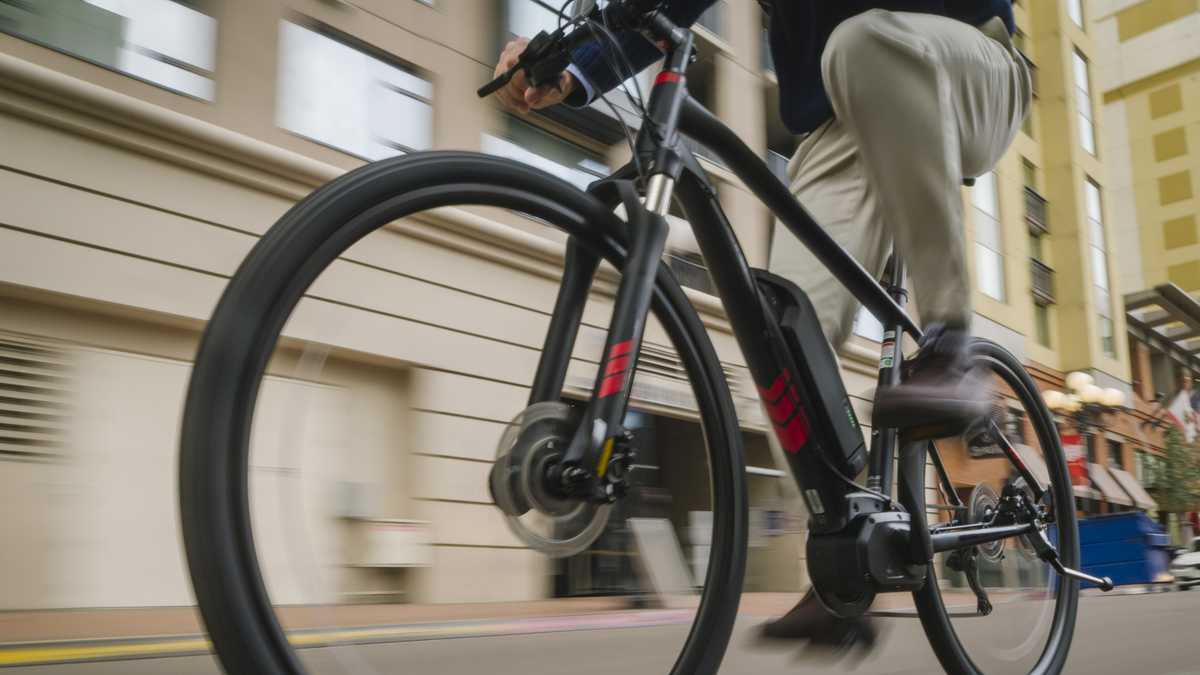
“A helmet is completely non-negotiable,” Coit said.
Coit suggests that the way society views these devices needs to shift. She recommends that e-bikes and e-scooters be treated with the same level of caution and regulation as motorcycles.
Safety protocols for adolescents and younger children
For teenagers who are old enough to ride, Coit recommends that riders be at least 16 years old, undergo proper training, and consistently wear protective gear. She also suggests a structured approach to household rules, recommending that parents have adolescents sign a safe-riding contract. The American Academy of Pediatrics offers a contract that parents can download to help establish these boundaries, Coit said.
The danger is often compounded by developmental factors. Younger children and adolescents may have slower reaction times and lack the necessary training to operate motorized vehicles safely. There is also a psychological component to the risk; Coit said that children may overestimate their own abilities while simultaneously underestimating the actual risks of the road.
Because of these factors, Coit advises that parents should not purchase an e-bike or e-scooter for younger children. Instead, she recommends sticking with conventional, non-motorized bikes and scooters for that age group.
| Injury Category Metric | Percentage Increase | Time Period |
|---|---|---|
| Pediatric e-bike/e-scooter cases | 173% | Summer 2025 to Summer 2026 |
| Pediatric micromobility injuries | 200% | Since 2023 |
As these motorized devices become more common in residential neighborhoods, the question remains how municipalities and parents will balance the convenience of micromobility with the growing clinical reality of pediatric trauma.
Keep reading
Blanca Quiñonez Sparks UConn Past Seton Hall Before South Carolina Showdown
Blanca Quiñonez answered a two-game slump with 18 first-half points Friday, handing UConn a 40-point win over Seton...

2026 Aloha Trenton Showdown Cheer Competition Nov 21 at CURE Insurance Arena
Aloha Trenton Showdown brings cheer competition to Trenton on Saturday. The 2026 Aloha Trenton Showdown is happening at...

Oklahoma State game pits Cowboys against Sun Devils on Saturday
Oklahoma State game pits Cowboys against Sun Devils on Saturday. The Cowboys and Sun Devils face off in...

Agencies Plan 48-Mile River Trail From Folsom to Freeport
State and local agencies announced Friday a partnership to create a continuous 48-mile river trail stretching from Folsom...