Pennsylvania Democrats take full control of state government in January facing intense public pressure to regulate data centers, after polling shows the issue swayed voters in the November election.
Veteran pollster Chris Borick, now directing the new Lehigh University Opinion Observatory, expects to release data by mid-December showing “the Pennsylvania public is highly concerned with data center development,” he told Times Observer. “It played a role with their election decisions this fall and they want actions from policymakers.” The results, he said, are “unquestionable.”
Four Democratic challengers unseated Republican incumbents on Nov. 3, ending more than 30 years of GOP control in the Senate. The party will hold the Senate, House and governor’s office. Yet Democrats mentioned minimum wage and reproductive rights prominently in post-election news conferences while references to data center legislation were muted, Times Observer reported.
State Sen. Katie Muth, a Montgomery County Democrat, said in an interview Tuesday: “I refuse to let this be pushed aside, forgotten about, overlooked.” She has pushed for a three-year moratorium, elimination of a sales tax break for data center companies and a legal barrier preventing them from being classified as public utilities.
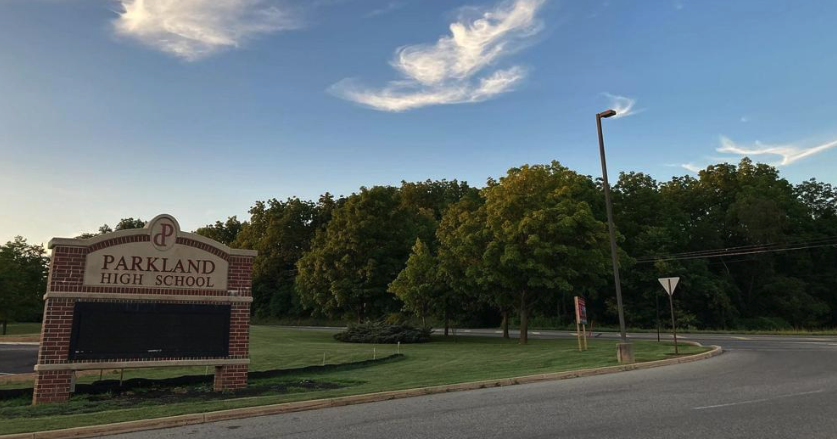
Public outrage is focused on two projects. In Lehigh County, the Department of Environmental Protection hosted a hearing Monday on permits for “Project Atlas,” a proposed 1.5 million-square-foot complex across from Parkland High School, the state’s fifth-largest. The project lacks full local approvals. Megan McDonough, Pennsylvania director for Food & Water Watch, said Gov. Josh Shapiro and the DEP appear to be “bending over backwards to build this data center.” State Senator-elect Mark Pinsley, in a press release issued Tuesday by Food & Water Watch, said: “A massive data center has no business going across the street from Parkland High School or next to a residential neighborhood.”
Shapiro, a potential 2028 presidential candidate, supported the industry as it expanded from late 2024 into early 2026. He appeared at the “Project Hazelnut” site in Luzerne County in late 2024 to launch a “fast track” permitting program that included many large data center proposals.
In August, facing public backlash, he reversed course with an executive order removing data centers from the fast track and imposing “guard rails,” including DEP permit safeguards.
In Lackawanna County, Olyphant Borough Council voted 5-2 on Nov. 17 to ratify a settlement with developer Ercor Triboro that eliminates the traditional “conditional use” public hearing process. A separate 5-2 vote approved a community benefits agreement paying more than $100 million over 15 years, Times Observer reported.
“Residents deserve to have voice in these decisions and any move to foreclose on that process is wrong,” said state Rep. Kyle Mullins, a Democrat whose district includes Olyphant. He said the site was originally slated for warehouses with “thousands of jobs” and the switch to a data center requires public hearings. “We need urgent action to change the law on data centers.”
Mid Valley School District Superintendent Patrick Sheehan said the district’s campus, with 2,000 students as young as five and 200 staff, sits 1.5 miles from the site — “right behind us.”
The district sought to intervene in the court case to protect “the health, safety, and welfare of the students and staff.” A hearing on its participation is scheduled for Dec. 7 in Lackawanna County Court.
Senator-elect Brian Wrightson, a Democrat who defeated Republican incumbent Sen. Rosemary Brown, said the Olyphant votes show developers “are putting an enormous amount of money in front of officials that they can hardly say ‘no’ to.”
He added: “They should have said ‘no.’ Council has just added chaos to the lives of people.”
Ginny Marcille-Kerslake, senior organizer for Food & Water Watch, warned that if not stopped in court, the Olyphant move “would set a dangerous legal precedent in which the corporation could pay their way out of following the legal process.” PennEnvironment spokesperson Flora Cardoni said her organization has seen public hearing testimony influence industrial proposals: “It is very concerning … if it becomes commonplace that these developers sue townships and bypass public comment.”
Related reading

Humane Society of Central Oregon Serves Thanksgiving Feast to 30+ Shelter Animals, Highlights Need for Support
"We want every animal to be in a loving home for the holidays. If that's not possible, we...

CMMC Suspends Nurse After Town Hall Testimony; Union Calls It Retaliation
RN April Potvin was suspended Tuesday, Nov. 25, after addressing a Nov. 17 town hall on staffing and...

New Orleans Pilots New Approach to Redevelop Tax-Delinquent Properties in Central City and Lower 9th Ward
New Orleans is piloting a new approach to redevelop tax-delinquent properties in Central City’s Hoffman Triangle and the...
Arkansas Times Columnist Criticizes Trump’s Putin ‘Friend’ Claim
In a column for the Arkansas Times, the author argues that President Donald Trump’s description of Vladimir Putin...