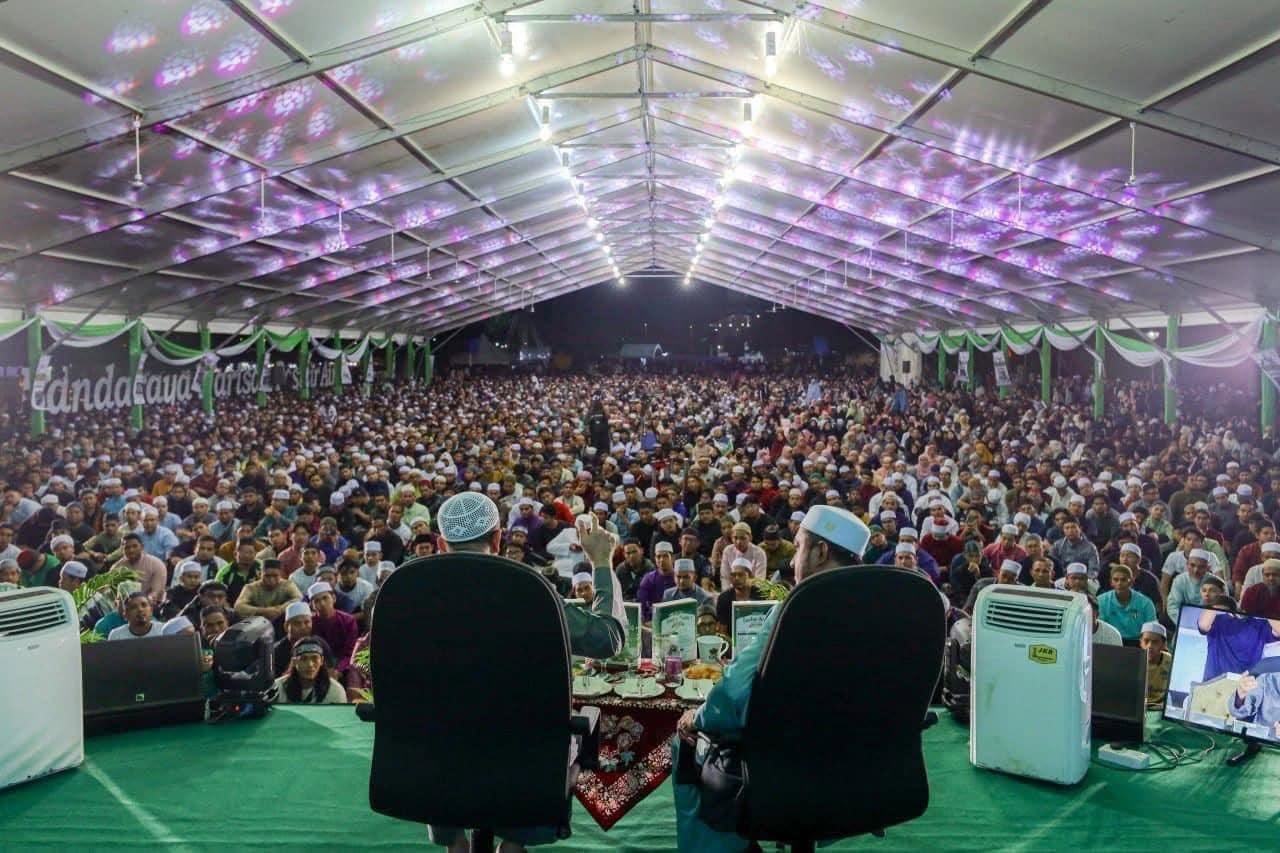
PAS more than doubled its parliamentary seats to 43 at the 2022 general election while UMNO fell to 26, reversing their 2018 standings, New Mandala reported.
The shift marks a deeper realignment in Malay-Muslim politics since Barisan Nasional lost power for the first time in 2018. PAS and UMNO signed the Muafakat Nasional charter on 14 September 2019, forming a pact explicitly pitched as “Perpaduan Ummah” — unity of the Muslim community — against a Pakatan Harapan government portrayed as dominated by non-Malays.
The alliance helped legitimise the Perikatan Nasional administration that took office after the 2020 Sheraton Move, and continued even after UMNO rejoined government in Anwar Ibrahim’s post-GE15 unity coalition.
“If UMNO and PAS, illustrative of the two biggest Malay-Muslim groups can be united, surely it connotes a real unity — hence Perpaduan Ummah,” the essay says. Grassroots networks — separate “PAS mosques” and “UMNO mosques” dating to the 1980s, party-run funeral services, and NGOs such as Ikatan Muslimin Malaysia (ISMA) and Buy Muslim First — sustain the discourse beyond elections.
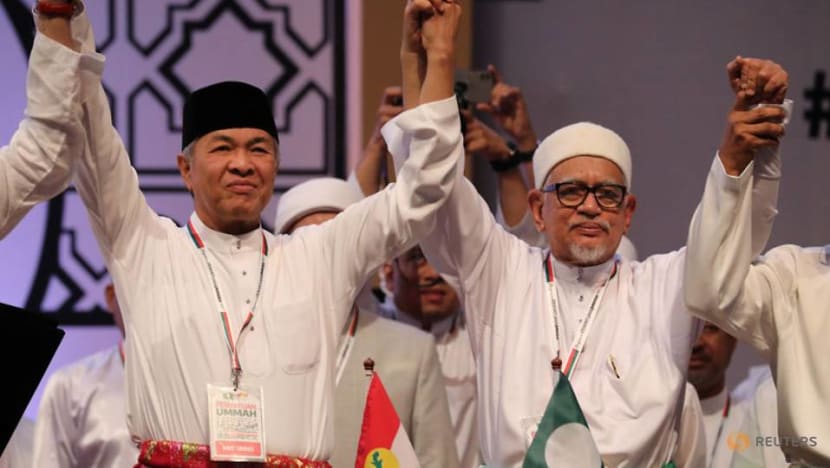
PAS president Abdul Hadi Awang has long argued from Islamic history that the dominant Malay race must unite and lead politically. Former prime minister Mahathir Mohamad advanced a parallel developmentalist vision of Malay political dominance. “Even though the two had been political rivals for decades, their ideas found convergence in Malay-Muslim dominance albeit with a distinct foundation or focus, one on Islam, the other on developmentalism,” the analysis says.
PAS launched a non-Malay supporters’ wing, Dewan Himpunan Pendukung PAS (DHPP), in 2004. Membership approached 80,000 by 2026, and at the party’s 2026 Muktamar in Kelantan associate members debated motions in the main session for the first time — a step the essay calls “an innovative development in Islamist politics — even at the global level — where non-Muslims are welc[omed].”
State elections in 2026 and a series of “friendly fires” at UMNO general assemblies and PAS Muktamars since 2019 point to what the report describes as a “distant yet loyal” cooperation, with both parties competing for the same Malay-Muslim base while exploring electoral compromises.
Keep reading

Ireland Risks Exclusion From EU Deportation Regime Over Schengen Legal Hurdle
Ireland risks exclusion from a new European Union deportation regime unless it adopts broader legislation aligned with the...
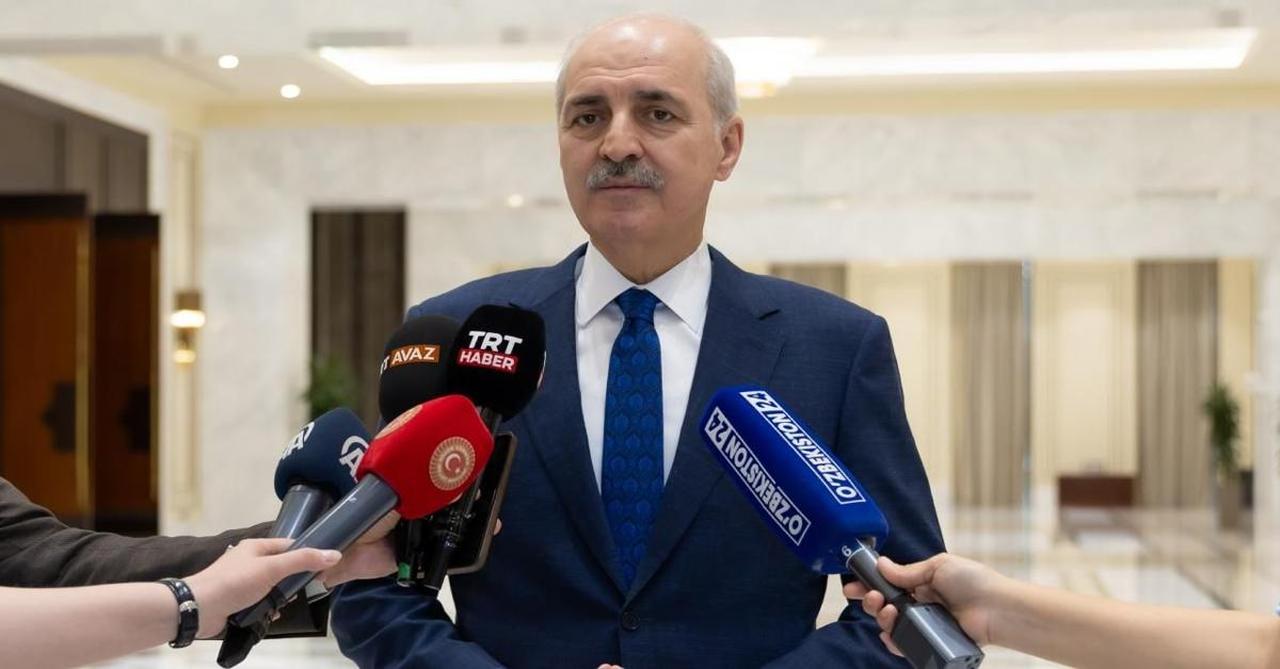
Turkish Parliament Speaker Criticizes UN Failure to Stop Israel, Calls for New Global Order
Turkish Parliament Speaker Numan Kurtulmuş on Friday criticized the United Nations for failing to resolve international conflicts and...

Friedrich Merz Hits 11% Approval After 18 Months as Chancellor
Friedrich Merz reached an approval rating of just 11 per cent after 18 months in office, The Irish...
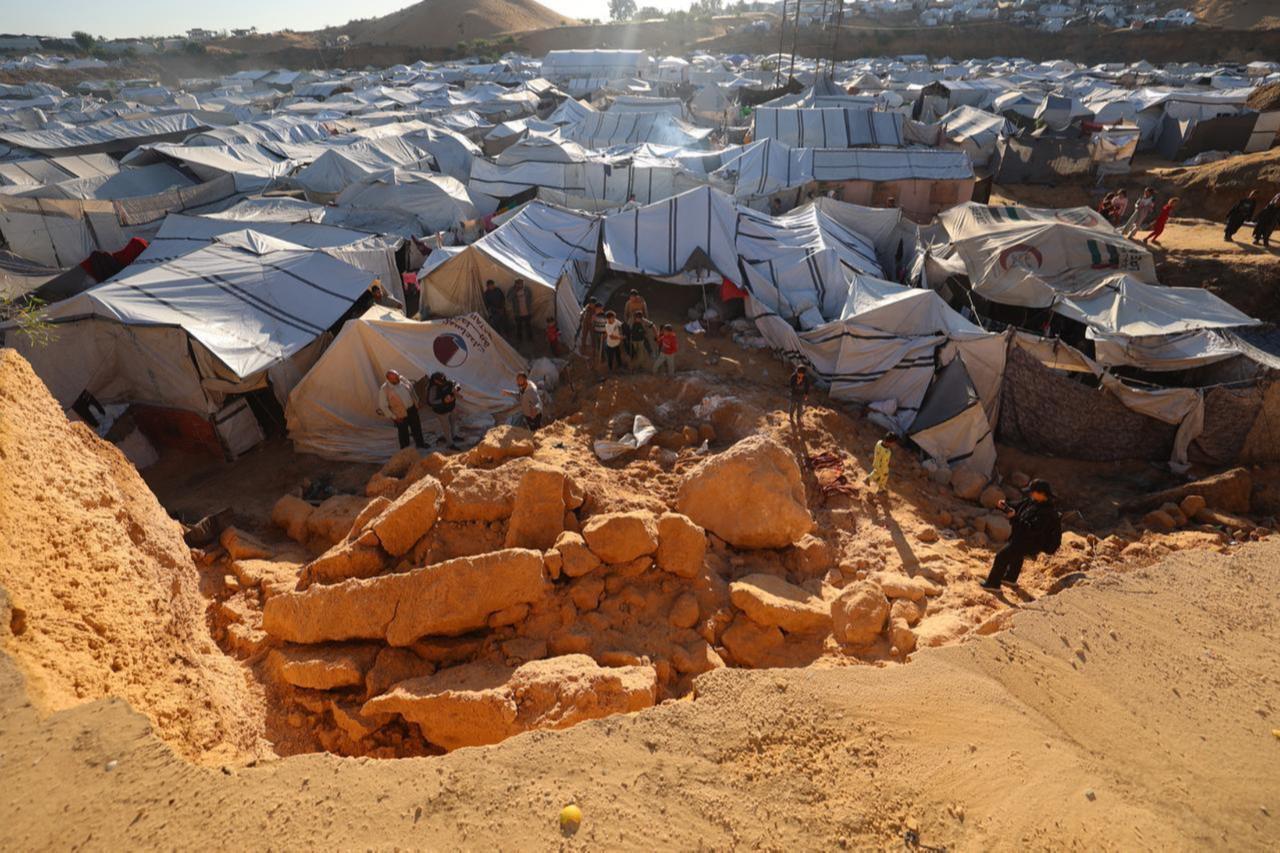
Turkish Parliament Speaker Criticizes UN Security Council Over Gaza at MIKTA Meeting
On Nov. 27, 2026, Turkish Parliament Speaker Numan Kurtulmus criticized the United Nations Security Council during the 12th...