
Peter Wolfgang submitted an essay to the National Catholic Register on November 28, 2006, and the paper rejected it — the only time it ever turned down his work.
The Register declined the piece because editors feared it would read as an “I told you so” after the outlet had opposed the Iraq War, Wolfgang wrote on Catholic Culture. The essay, published on Saturday marks twenty years since that rejection and draws a line from the 2003 invasion to what Wolfgang calls the Iran War now underway, quoting a December 4, 2006 National Review editorial: “More than three years on, the Iraq War is arguably going more poorly than ever.” The same editorial called it “the biggest failure of the Bush administration,” one that “sank the Republican party on Election Day and that, much more important, threatens a dangerous and long-lasting setback to the interests of the United States.”
National Review had championed the invasion. In a pre-war cover story, David Frum wrote, “The paleoconservatives have chosen—and the rest of us must choose too. In a time of danger, they have turned their backs on their country. Now we turn our backs on them.” Ross Douthat later described the piece on the First Things blog as “a ‘who is a conservative’-defining cover story…a shot across the bow…of almost any conservative who opposed the war, with imputations of anti-Semitism and anti-Americanism thrown in for good measure.”
The National Catholic Register ran a 2002 editorial titled “Don’t Bomb Iraq.” The Corner, National Review’s blog, attacked it the weekend it arrived in mailboxes. Rod Dreher and other contributors suggested the Bush presidency would fail if it did not invade. By 2006 the tide had turned. Dreher told First Things that conservatives backed the war “to protect cheap oil” which is “what this war is really about.” Jonah Goldberg wrote an October 19 column saying he was wrong and the war was a mistake. Frum told Vanity Fair in November 2006 he disagreed with Bush policy on Iraq.
“Mistakes in Iraq cost thousands of people their lives and Donald Rumsfeld his job,” Wolfgang wrote. “Given their role in shutting down discussion among an influential elite on a matter that now ‘threatens a dangerous and long-lasting setback to the interests of the United States’ shouldn’t these pundits’ heads roll too?”
Wolfgang argued Catholic neoconservatives fared slightly better than their secular peers. “Contrary to criticism from anti-war Catholics, only George Weigel argued for a full-throated theological embrace of ‘preemptive war.’” Michael Novak’s 2003 Vatican speech, posted on National Review Online, “explicitly rejected the concept.” Fr. Richard John Neuhaus limited pre-war comments to EWTN’s The World Over, emphasizing the Pope’s calls for prayer. Crisis Magazine published no Catholic defense until David Quinn’s “What the War Revealed” in October 2003.
“The Register was virtually alone among establishment orthodox Catholic periodicals in opposing the decision to invade,” Wolfgang wrote.
“The paper took an unpopular position rooted in the teachings of the Church—a position that now appears prescient.”
He acknowledged the Catechism places just-war evaluation on “the prudential judgment of those who have responsibility for the common good” (#2309). But he added that “even in ordinary teaching not requiring the assent of faith, the Pope is still the beneficiary of divine assistance (#892).”
In defying the Pope, “those who have responsibility for the common good” have “brought us to a perilous position in which defeat seems more likely than victory,” he wrote, quoting the National Review editorial.
“Our Lord did not leave us orphans but provided us with a resolute voice which can speak authoritatively on His behalf until He comes again in glory,” Wolfgang wrote. “Particularly on questions as momentous as war and peace we do well to trust in the voice of Peter echoing down the ages to us in the person of the Pope.”

Denver Police Shoot Suicidal Man Who Fired at Officers in Storage Unit
Denver police shot and critically wounded a suicidal man Saturday after he fired at officers from a storage...
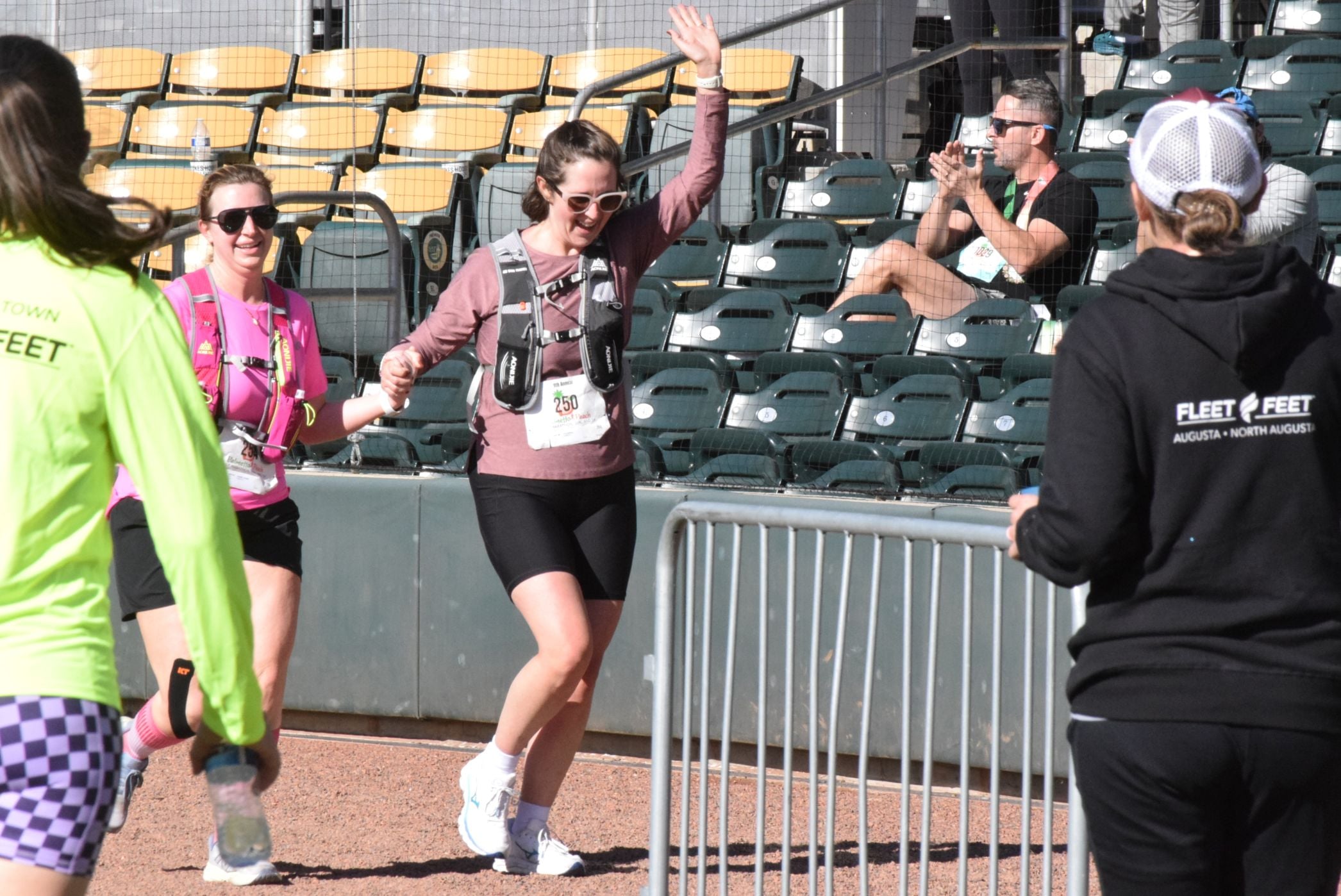
2026 Palmetto Peach Half Marathon, 10K, 5K set for SC-GA course
The 2026 Palmetto Peach Half Marathon, 10K, and 5K will take runners on a course spanning two states,...
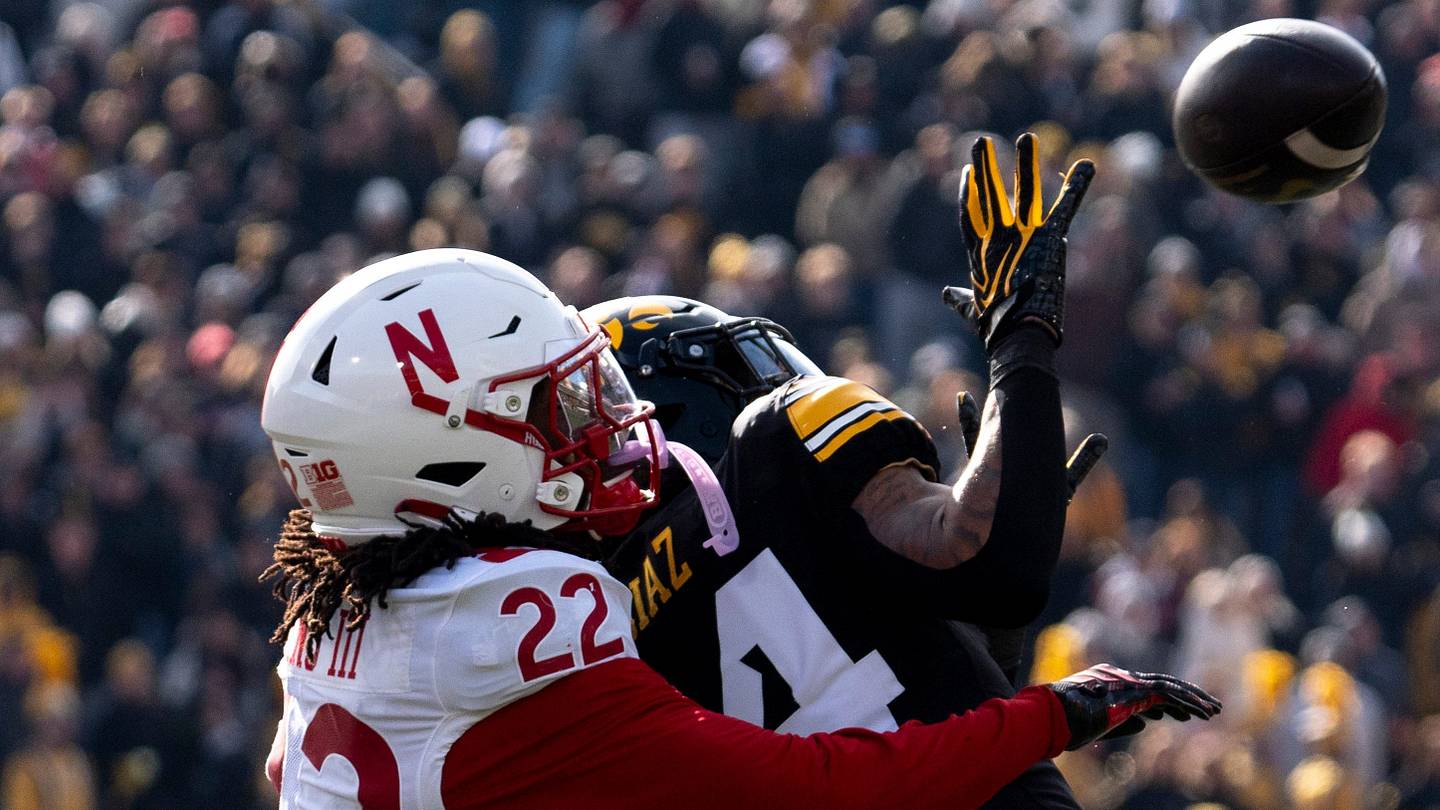
Nebraska Defense Missing Key Players Allows Iowa 4-for-4 Red Zone in 24-Point Loss
Iowa exploited Nebraska's short-handed secondary, going a perfect 4-for-4 in the red zone in a 24-point win Friday....

Lehigh Beats Albany 17-14 on Poole’s FG as Time Expires in FCS First Round
Connor Poole drilled a 20-yard field goal as time expired Saturday to lift 12th-seeded Lehigh past Albany 17-14...