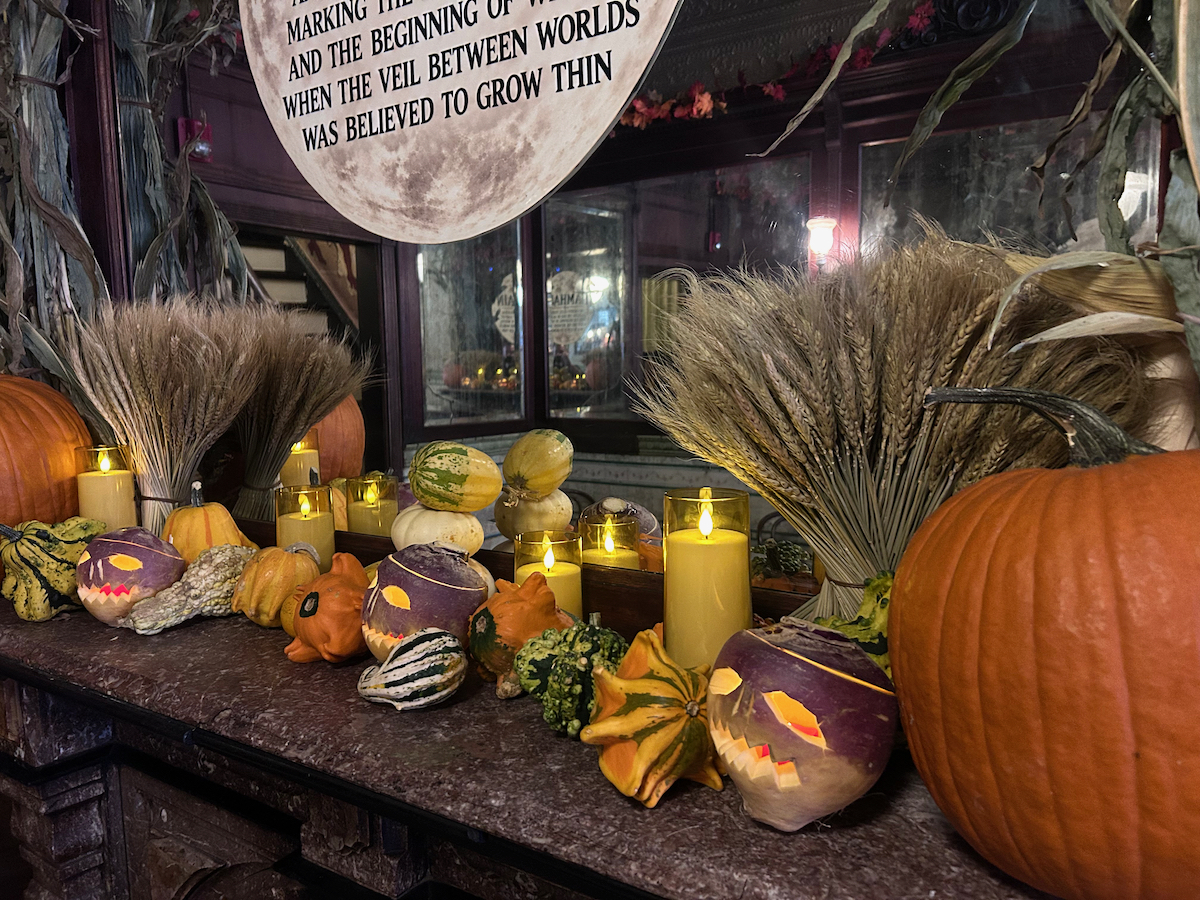
Celtic Roots Step Into Philadelphia’s Street Fest Scene
“There’s folk stories. There’s pseudo-history stories. There’s medieval tales. There’s legends,” Joseph Lennon, director of the Center for Irish Studies at Villanova University, explained to WHYY regarding the ancient autumn milestone known as Samhain.
As modern neighborhoods swap ancient hearths for plastic lawn skeletons, a handful of Philadelphia venues and cultural organizers are pulling back the commercial curtain to examine the region’s Celtic lineage. While millions across Delaware, Chester, Montgomery, and Bucks counties prepared for standard trick-or-treating through Saturday evening, the traditional Irish festival that actually birthed modern Halloween found a fresh public platform in Center City.
From Neolithic Roots to Old City Revelry
Pronounced SOW-in, Samhain is the traditional Irish word for November, marking a prehistoric transition point halfway between the fall equinox and the winter solstice. According to historical accounts noted by Newgrange, the holiday celebrated the end of the harvest and the onset of darker months through communal bonfires, feasts, and the setting aside of food for departed ancestors. Ancient Celts believed the boundary between the physical world and the Otherworld grew thin during this era, allowing spirits and fairies to cross over.
That ancient liminal space inspired a tangible local gathering on Saturday, Oct. 31, 2026. Neill Laughlin and Donal McCoy, co-owners of the Old City establishment Sassafras Bar and Restaurant, organized what they billed as the first-ever Samhain street festival outside their storefront. Both men hail from Ireland, where childhood celebrations involved carving hollowed-out turnips rather than pumpkins and reciting rhymes for neighbors.
“I feel like Halloween’s kind of gotten away from its origins, where it’s more for children collecting candy, and I think today people are interested in the origins of events and what starts them and where did they come from,” Laughlin told WHYY.
Honoring the Dead and Protecting the Living
The festival brought fire dancers, stilt walkers, jugglers, and musicians to the cobblestone street starting at 5:30 p.m., backed by a menu of themed cocktails and interior tavern decorations featuring traditional carved turnips. Beyond the entertainment, the gathering tapped into the dual nature of the original Celtic observance.
Lennon noted that the historic festival served as both a retrospective veneration of the dead and a forward-looking celebration of children. Fearing that otherworldly visitors might snatch young ones from the living realm, early communities dressed children in grimy, frightening disguises to confuse passing spirits—a direct precursor to modern costume traditions.
While the street festival offered a localized anchor for Irish heritage in Philadelphia, the broader timeline of the holiday stretches deep into European history. Prehistoric monuments like the Mound of the Hostages on Ireland’s Hill of Tara—built roughly 5,000 years ago—feature passages aligned with the rising sun in early November, proving that these seasonal turning points commanded human attention long before written Celtic records.
As nineteenth-century Irish emigrants carried those customs across the Atlantic during the Great Famine, the traditions evolved to fit American landscapes, swapping turnips for native pumpkins and blending with other cultural practices. Saturday’s Old City event added a contemporary Philadelphia chapter to that centuries-long migration of folklore, offering residents a chance to sample the ancient heritage behind the candy wrappers.
Related reading

Heavy rain, gusts near 60 mph possible Monday in western South Dakota
Dense Fog and Impending Severe Storm Threat Western South Dakota Dense morning fog is creating hazardous travel conditions...

The weekly rotation of wine samples arriving on doorsteps often yields familiar varietals, but this
Uncommon Grapes and Centennial Vines Shape the Latest Wine Release Cycle The weekly rotation of wine samples arriving...

Chuck Swindoll: A Life Marked by Grace – Billy Graham Evangelistic Association
Chuck Swindoll’s journey rests on a series of unexpected turns, according to a profile published by the Billy...

Pennsylvania Work-Related Injuries | Office of Risk Management – University of Pittsburgh
Pitt Police Face 2026 Shift Under Heart And Lung Act Effective January 1, 2026, police officers at the...