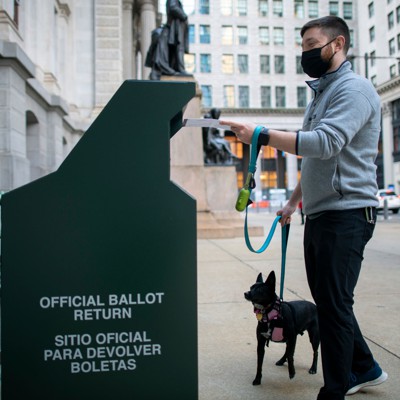
Philadelphia voters move to reshape city contracting and arts policy
Philadelphia voters are on track to approve two significant ballot measures this election cycle, signaling a major shift in how the city manages its local economy and its cultural identity. According to reporting from cityandstatepa.com, the measures aim to formalize support for small businesses in municipal procurement and create a permanent infrastructure for the city’s creative economy.
If passed, these amendments will alter the Philadelphia Home Rule Charter, moving several administrative functions from the discretion of the mayor’s executive orders into permanent law. This transition represents a move toward institutionalizing specific economic priorities, ensuring that even as administrations change, the framework for supporting local vendors and the arts remains intact.
Small business procurement shifts from race to location and scale
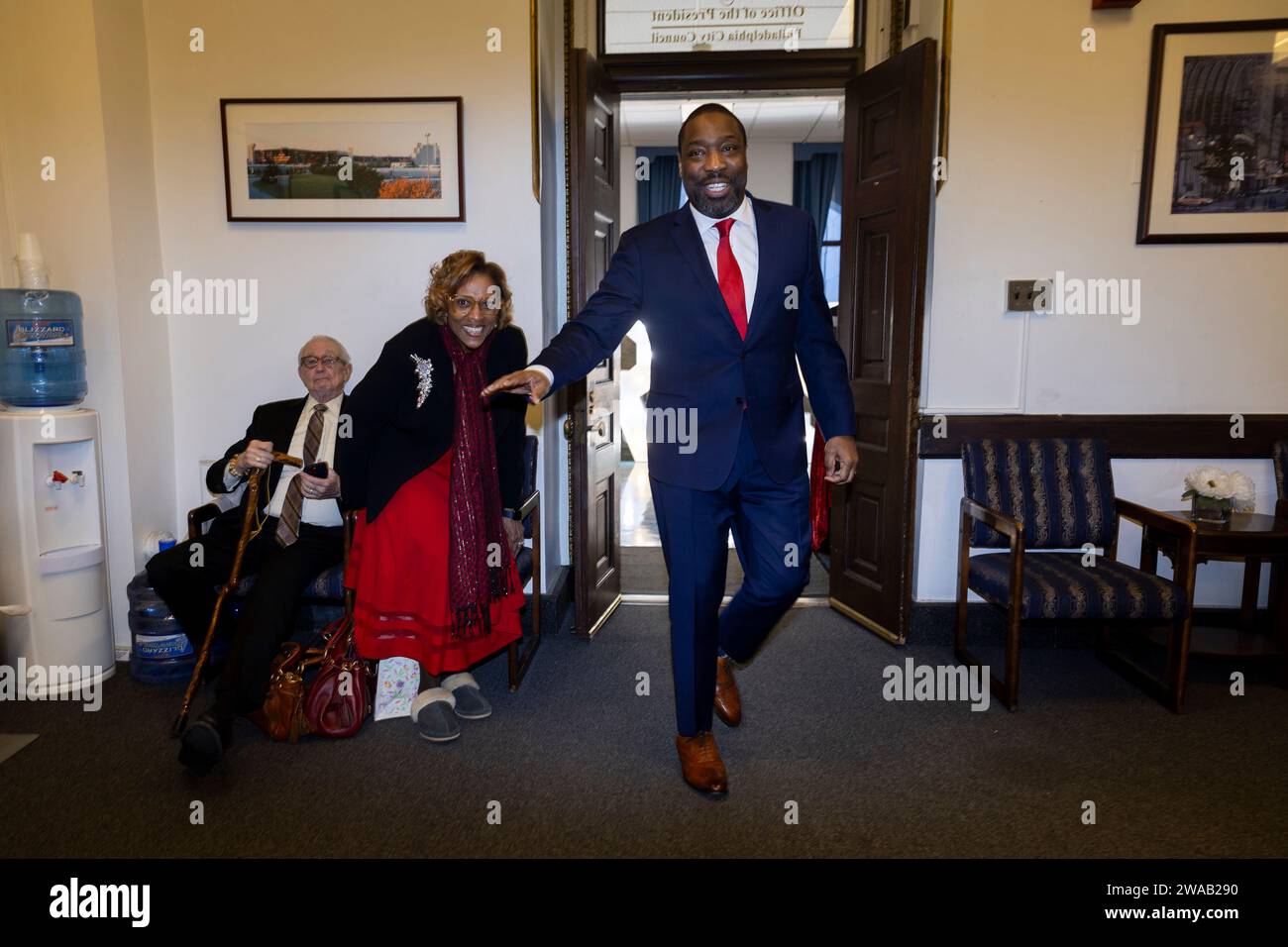
The first measure addresses a complex legal and economic pivot in how Philadelphia awards city contracts. Originally introduced by City Council Majority Leader Katherine Gilmore Richardson on behalf of Council President Kenyatta Johnson, the proposal seeks to modify bidding procedures to favor small and local businesses. Crucially, the language shifts the focus of preference from a business’s status as a minority-owned entity to its physical size and geographic location.
This change follows a period of legal volatility for the city. Last year, Mayor Cherelle Parker signed an executive order to adjust how the city prioritizes small businesses after the previous system—which heavily weighted women- and minority-owned businesses—was challenged in federal court. The city ultimately settled that case and agreed to rewrite the rules to ensure procurement remains compliant with federal standards while still attempting to support local economic growth.
Under the proposed charter amendment, the Procurement Department and City Solicitor would gain specific discretion over bond requirements for certain construction projects. The new rules would allow the city to award contracts valued between $75,000 and $500,000 to local companies even if they do not submit the lowest bid. While the measure does not guarantee that small businesses will win contracts, it provides the legal mechanism to prioritize them based on their role in the local community rather than just their bottom line.
Establishing a permanent home for the creative economy
The second initiative focuses on the city’s cultural landscape by establishing “Creative Philadelphia.” Proposed by Councilmember Isaiah Thomas, this measure would transform the role of the Chief Cultural Officer from a position established via executive order into a permanent fixture of the mayoral administration. This shift would consolidate various arts- and culture-related programs into a single, centralized office.

The goal of this consolidation is to create a unified strategy for promoting the city’s arts, culture, and creative economy. By making the office permanent through a charter amendment, the city aims to protect cultural funding and programming from the fluctuations of political cycles, providing a more stable environment for the creative sectors that drive Philadelphia’s tourism and local identity.
A history of voter decisions on the City Charter
While Philadelphia voters have a history of approving ballot questions, the city’s relationship with charter amendments is a study in contrasts. Since the turn of the millennium, voters have approved more than 80 charter amendments, including a significant surge of two dozen since the onset of the COVID-19 pandemic. This trend suggests a high level of civic engagement regarding the fundamental rules of city governance.
However, the path to reform has not always been smooth. The city has seen high-profile failures when voters have pushed back against perceived expansions of political power. Historical precedents include:
- 1978: Voters rejected an amendment that would have allowed then-Frank Rizzo to seek a third consecutive term, defeating the measure by a 2-1 margin.
- 2007 and 2014: The electorate denied two separate attempts to repeal the city’s “resign-to-run” rule, which requires officials to step down from their current positions when running for a new office.
The current measures face a different landscape than those historical power struggles. Rather than debates over term limits or executive authority, the current ballot items focus on the mechanics of local commerce and the structural support of the arts. The central question for the city remains whether these administrative shifts will provide the intended economic stimulus for small vendors and the stability required for the creative sector to thrive.
Worth a look

Oregon 2026 Election Results: Live Updates on Local and Statewide Races
Polk County voters appear poised to approve a five-year property tax measure that would fund essential operations for...

Oklahoma voters cast ballots for governor and U.S. Senate races
Oklahoma voters head to the polls for high-stakes state and federal races Oklahomans are casting their ballots this...

Columbus State and Dimon Magnet Academy Celebrate Successful First Year of PDLS Partnership
“The numbers do more than quantify our partnership. They reflect more than a year’s worth of impact—they reflect...

Fauchon Brings Parisian gifting experiences to Bryant Park, NYC
French Luxury Meets Manhattan's Bryant Park Fauchon is bringing a refined touch of Parisian elegance to the Bryant...