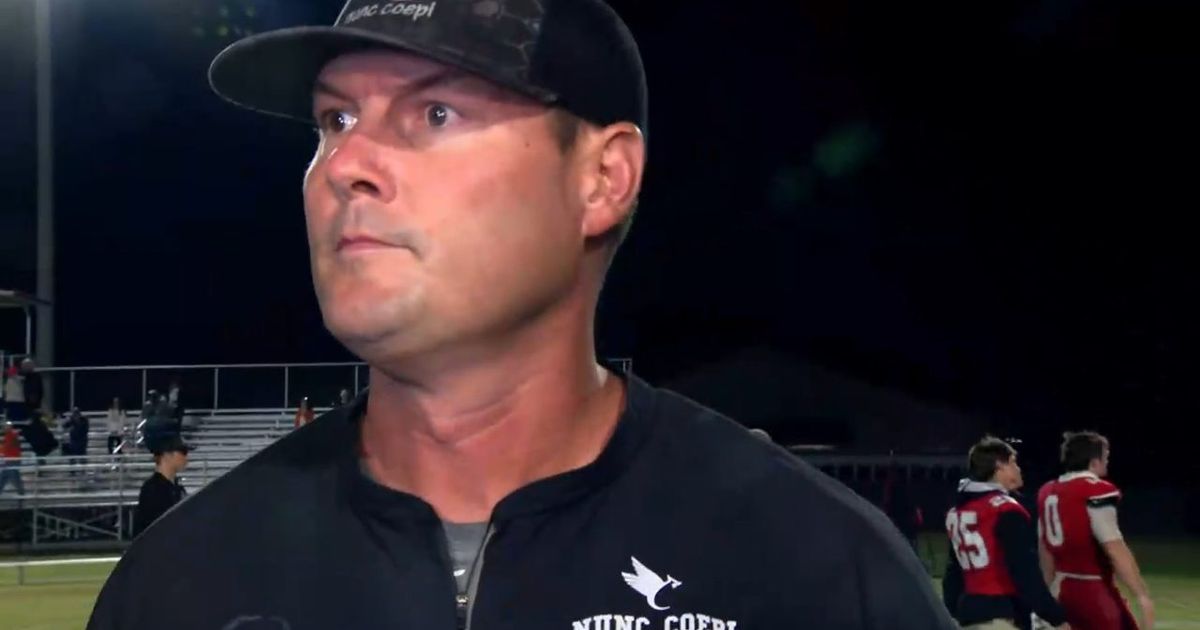
The Sideline Transition at St. Michael
The field at St. Michael Catholic High School in Fairhope, Alabama, looked like any other Friday night venue, but for Philip Rivers, the morning had been spent in the quiet, manual labor of a coach: mowing the grass and lining the field with chalk alongside his youngest son and a grandson. By the end of the evening, that routine was interrupted by a 42-35 loss to The Glenwood School, marking the end of the Cardinals’ playoff run. As the final whistle blew, the conversation surrounding the former NFL quarterback shifted rapidly from high school football to the vacant head coaching position at North Carolina State University.
Rivers, who has spent the last six years building the St. Michael program from the ground up—starting when the school didn’t even have its own stadium—is now the primary candidate to replace Dave Doeren, who was fired by NC State on October 24. While the loss in Alabama was emotional, it has placed the 44-year-old in a position where he must weigh his current life in the South against the high-stakes demands of his alma mater.
The Path to Raleigh
The potential move is no longer just speculation. Rivers confirmed that he met with NC State athletics director Boo Corrigan in Alabama this past Wednesday. While he was careful with his words after Friday’s game, he acknowledged that the discussion regarding his future had indeed taken place. “We met and visited,” Rivers told reporters, as reported by USA TODAY Sports. “I’ve known some of those guys for a while now.”

The urgency of the situation is dictated by the NC State calendar. The university’s Board of Trustees is scheduled to meet on November 12 and 13, dates that will likely require a clear direction on the coaching search. For the Wolfpack, the pressure to find a successor is rooted in a desire to move beyond the tenure of Doeren, who won 98 games but never secured an ACC championship or a 10-win season during his 14-year stint.
Family Dynamics and Financial Realities
The decision for Rivers is not merely professional; it is deeply personal. With 10 children, grandchildren, and extended family living in Alabama, the logistics of a move to Raleigh are complex. His son, Gunner, is a four-star quarterback who just returned from a leg injury and is already committed to play for NC State next season. While coaching his son would be a unique opportunity, Rivers insisted it would not be the sole deciding factor.

The financial environment at NC State also looms large. In a letter to the Wolfpack Club and university trustees on October 28, Corrigan and Chancellor Kevin Howell emphasized a commitment to “financial investment, infrastructure, and NIL support.” According to data compiled by The Athletic, NC State spent between $22 million and $26 million on its football roster this season, placing the program in line with the ACC average. However, this remains significantly lower than the $44 million to $50 million range occupied by league leaders like Miami, highlighting the gap between current resources and the “next level” of success the university administration is demanding.
The Coaching Prototype
Rivers’ lack of collegiate or professional coaching experience is the primary question mark for those evaluating his candidacy. Yet, he brings a resume as a star for the Wolfpack from 2000 to 2003—where he led the team to an 11-3 record in 2002—and a storied 18-season NFL career. His transition to coaching at St. Michael has been marked by a slow, deliberate development of the program, a stark contrast to the immediate, high-pressure expectations of Power Four college football.
As he reflected on the season’s end, Rivers spoke about the growth he witnessed in his players, particularly his son, Gunner. Whether that perspective leads him back to the stadium where his jersey—No. 17—is retired remains the central mystery of the current coaching carousel.

For now, the chalk lines have been cleared from the field in Fairhope, and the focus shifts to the boardrooms in Raleigh. The transition from a local high school program to a major ACC roster involves more than just schemes and recruiting; it involves a commitment to a scale of operation that Doeren, in his final address, suggested had not always been met by the university’s resource allocation. The coming days will reveal whether Rivers is the figure the university believes can bridge that gap.

Police Pursuit Ends in Highway 30 Crash Near Cedar Rapids
Police Pursuit Ends in Highway 30 Collision A high-speed police chase originating in Marshall County terminated in a...
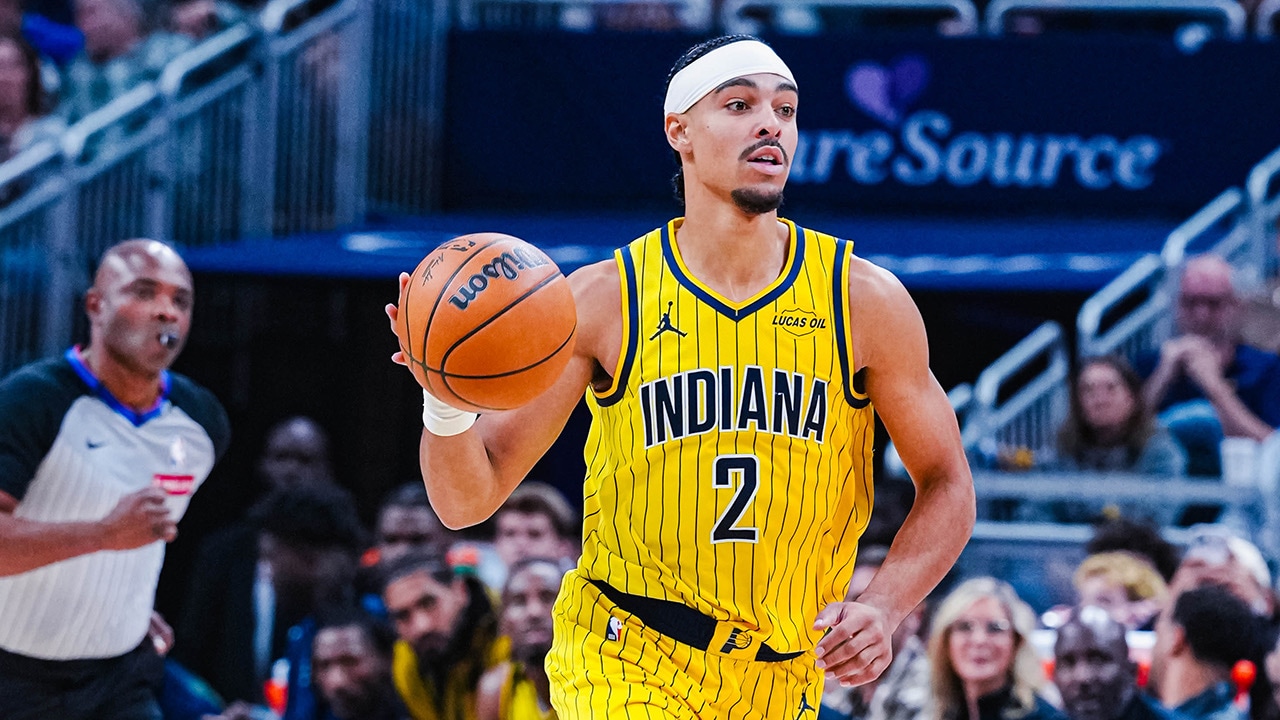
Indiana Pacers face Denver Nuggets in Mexico City on Nov. 7
The Indiana Pacers face the Denver Nuggets this Saturday, Nov. 7, at 5:00 PM ET in Mexico City,...
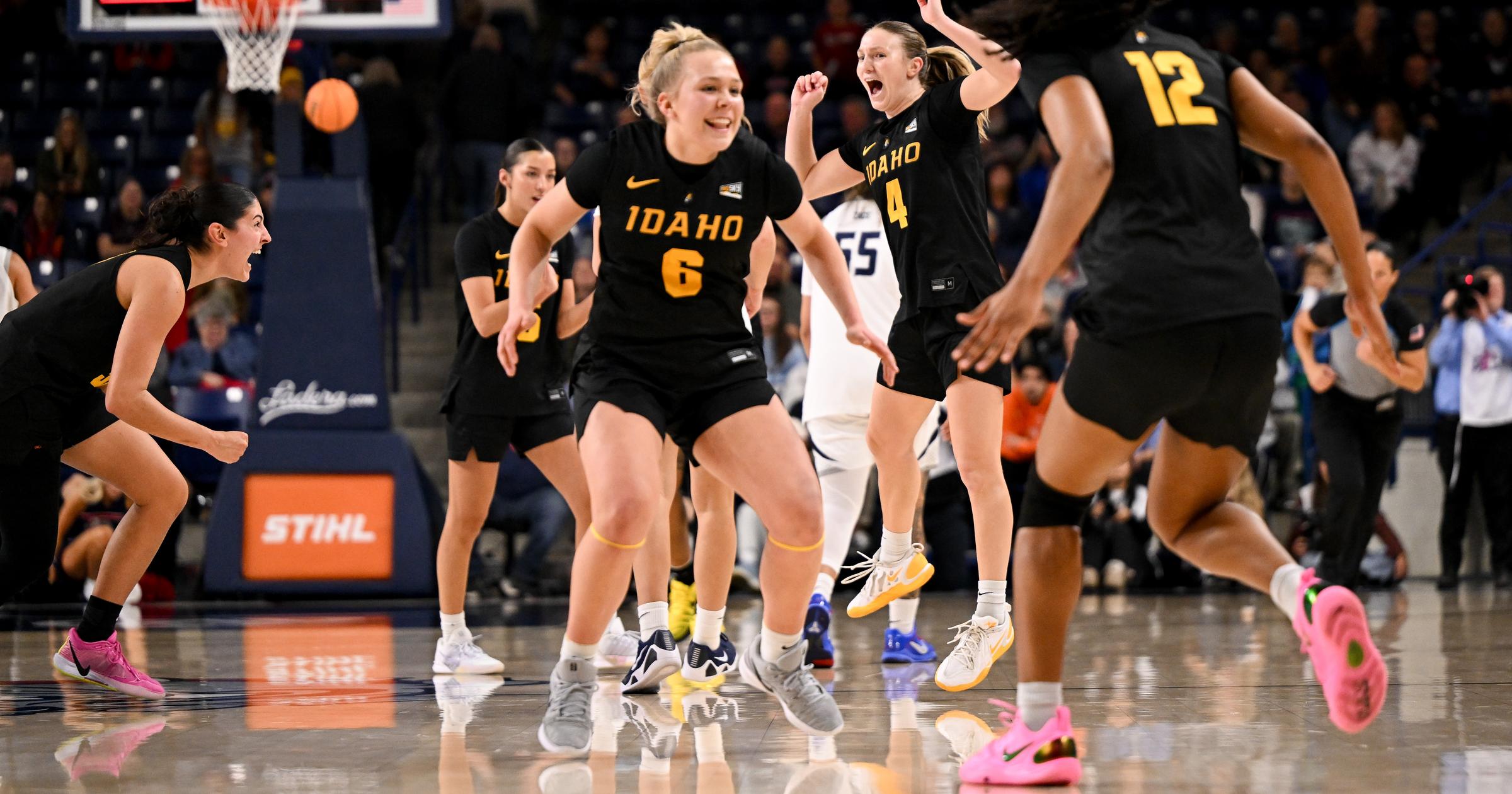
Idaho Vandals defeat Gonzaga 86-75 in women’s basketball upset
Idaho Vandals Overpower Gonzaga in 86-75 Upset The Idaho women’s basketball team delivered a striking performance on Friday,...
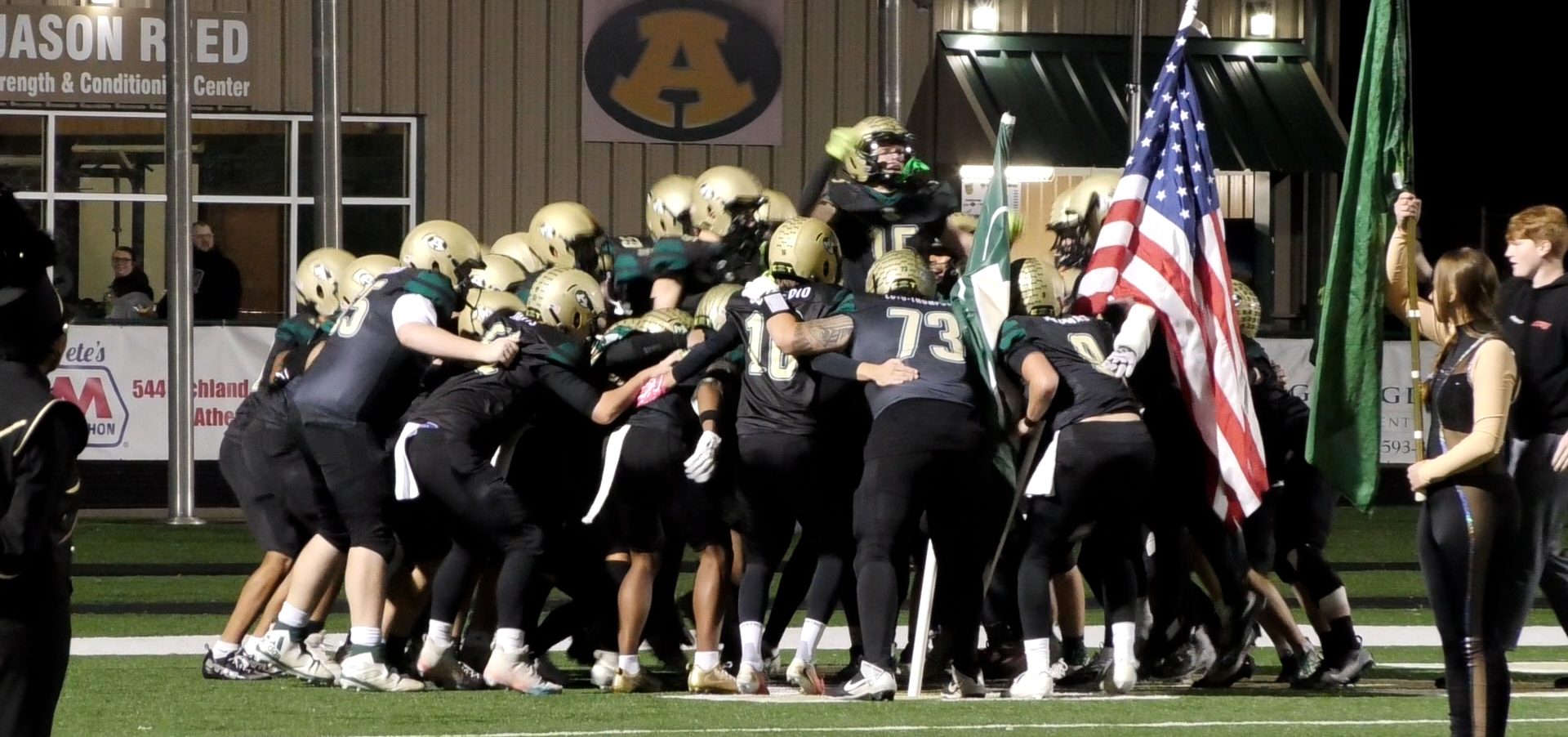
Dover Dominates Athens 41-0 to Advance in Division 3 Playoffs
The Athens Bulldogs’ postseason journey came to a jarring halt on Friday night. Hosting the five-seeded Dover Crimson...