
A bill to legalize plug-in solar panels in New York awaits Gov. Kathy Hochul’s signature, supporters say, after lawmakers approved the measure in May.
The legislation, known as the SUNNY Act, would remove regulatory barriers that currently prohibit residents from connecting small solar units to standard outlets, WBNG reported. Local leaders including the mayors of Ithaca and Syracuse have urged Hochul to sign the bill in a letter to the governor.
How the panels work
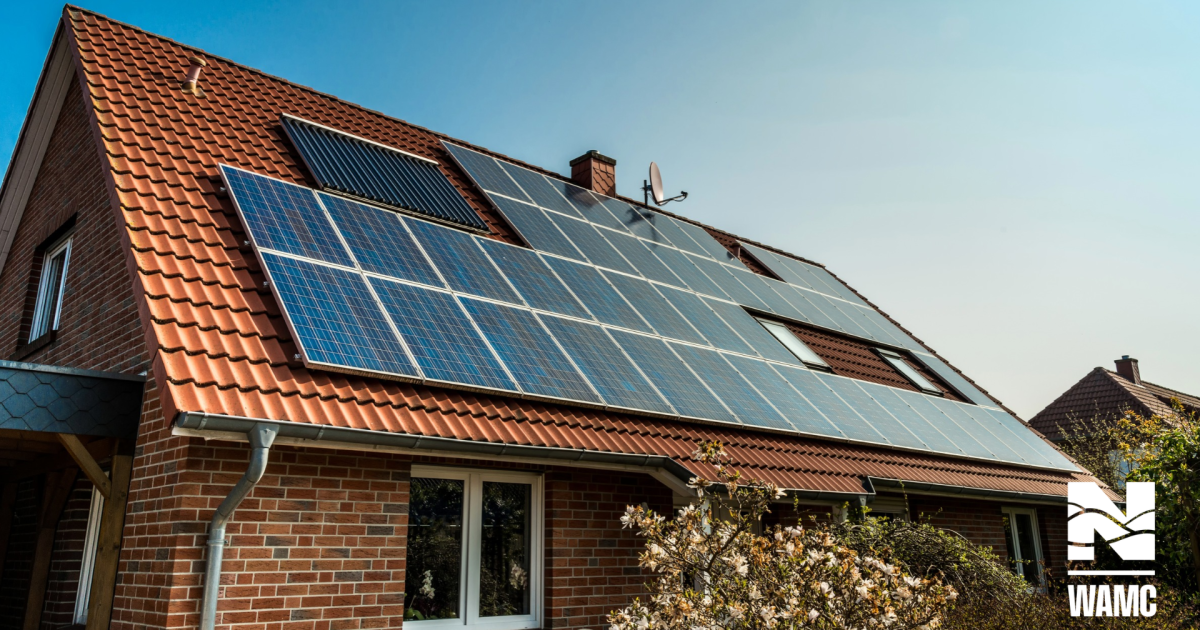
Each panel includes an inverter that converts sunlight into electricity compatible with a home circuit. The unit plugs into an outlet and feeds power back to the grid, reducing the household’s net consumption. An app tracks production over time.
Adam Flint, director of clean energy programs at Network for Sustainable Tomorrow, demonstrated a panel on his roof in Vestal.
The device was provided through the SUNNY Act campaign by BrightSaver, a nonprofit that sells balcony solar kits at cost.
“Last year I had about a $9,000 NYSEG bill, and so I’ve been doing everything I can to try and bring that down,” Flint told WBNG.
Flint said the panel covers only a portion of his energy use, but that any offset helps when bills are high. Output depends on weather, season and sun exposure.
Renters among primary beneficiaries
“It’s particularly good for folks who are renters who can’t actually make a decision to put solar on their property because they don’t own it,” Flint told WBNG.
Supporters say the devices are affordable, easy to install and can be placed on a balcony, deck or backyard. If signed, the law would permit photovoltaic panels generating up to 1,200 watts, according to WNYC.
Rally urges Hochul to act on SUNNY Act
We want plug-in solar here!” Bradley King, a rally attendee, said he found the delay frustrating. “If she doesn’t sign it, that would be extremely frustrating.
The bill cleared the Legislature in May but has remained on the governor’s desk for months. Advocates argue that New York is falling behind neighboring states where plug-in panels are already legal. Residents in Vermont and Connecticut are currently using the technology, according to WAMC.
Utility backs bill as other states resist
Campbell said he reached out to ConEd and found the utility “ok with the bill.”
That position contrasts with other states where utility companies have fought similar measures, Campbell noted. If signed, the act would permit photovoltaic panels generating up to 1,200 watts, allowing renters and apartment dwellers to offset electricity costs without rooftop access.
Homeowner details savings from rooftop system
Jamian Shapiro of Wappingers Falls, who uses rooftop solar paired with electric heat pumps, told WAMC that his household sees electric bills of roughly forty dollars a month during much of the year — essentially a grid connection fee. He estimates annual savings of three to four thousand dollars from the combined setup.
Shapiro said the installation cost nearly twice as much as the panels alone but views it as a worthy long-term investment. “We’re already seeing, since 2023, almost halfway back with our investments and now what we have saved,” he said, adding that he expects to be increasingly thankful for lower heating costs over time.
Con Ed supports bill as neighboring states advance plug-in solar
Consolidated Edison, the major utility serving New York City, issued a memo of support stating the bill strikes an “appropriate balance” and aligns with enabling access to small-scale green energy solutions, WNYC reported. Residents in Vermont and Connecticut are already using plug-in solar. Jon Campbell, a reporter for WNYC and Gothamist, said New York risks falling behind neighboring states if the governor does not act.
The bill has been on Hochul’s desk for several months. Bradley King, a rally attendee, told WNYC: “If she doesn’t sign it, that would be extremely frustrating. And I do know that it’s been a few months and the clock is ticking, so I’m curious as to why she hasn’t signed it.”
Related reading

Oregon Ducks to Host Washington Huskies in Prime-Time Rivalry Game on NBC
Senior day at Autzen Stadium will take place under the lights on Nov. 28 as the Oregon Ducks...
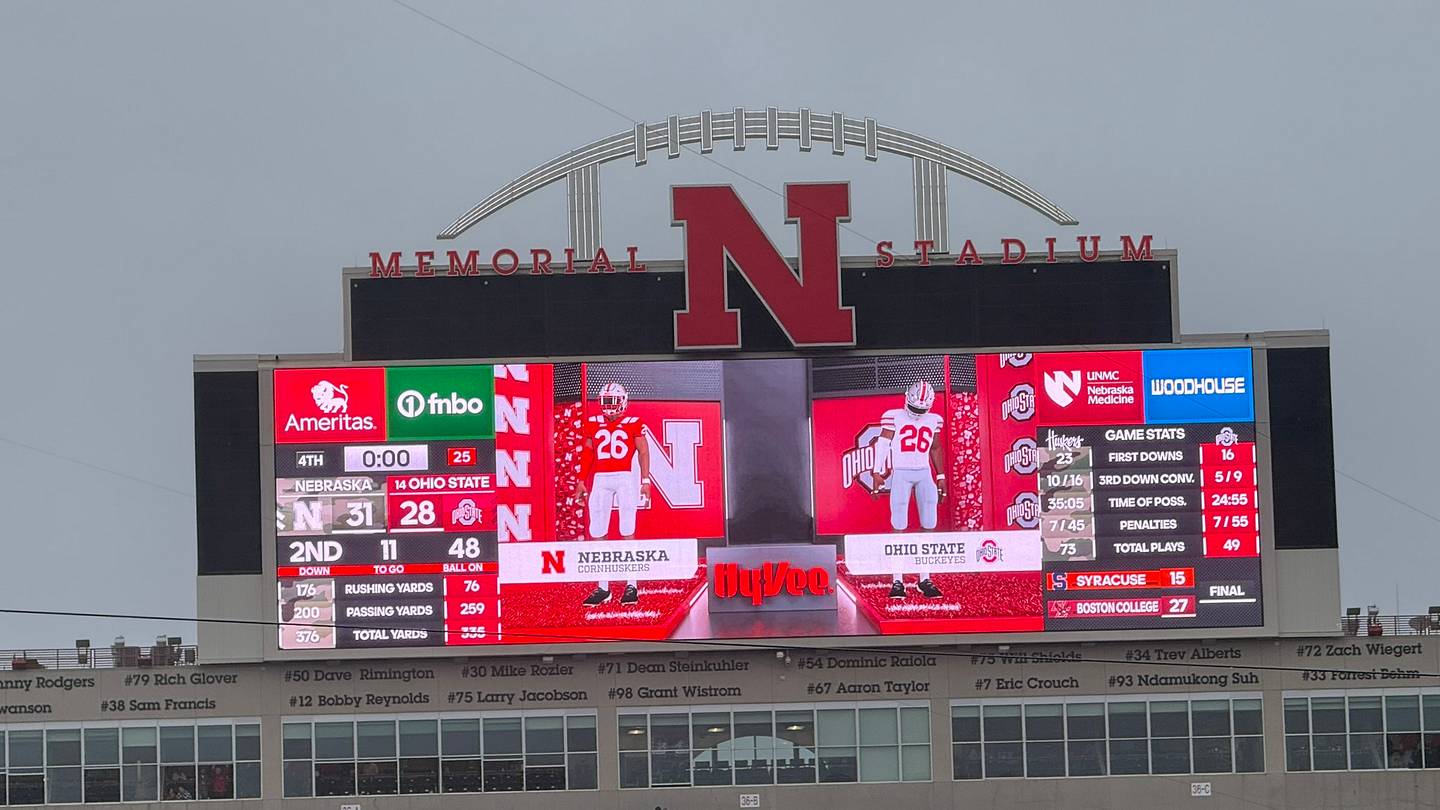
Nebraska Ends 10-Year Ranked Drought, Upsets No. 14 Ohio State
Nebraska rushed for 176 yards and improved to 7-0 when hitting the 150-yard mark. The Cornhuskers converted 10...

Feeding South Dakota Distributes 1,500 Thanksgiving Meal Kits in Rapid City, Sioux Falls
Volunteers distributed 1,500 Thanksgiving meal kits in Rapid City and another 1,500 in Sioux Falls on Saturday, Feeding...

Red Sox Trade Johan Oviedo to Diamondbacks for Luke Dotson, PTBNL or Cash
The Boston Red Sox traded right-hander Johan Oviedo to the Arizona Diamondbacks on Friday for minor-league left-hander Luke...