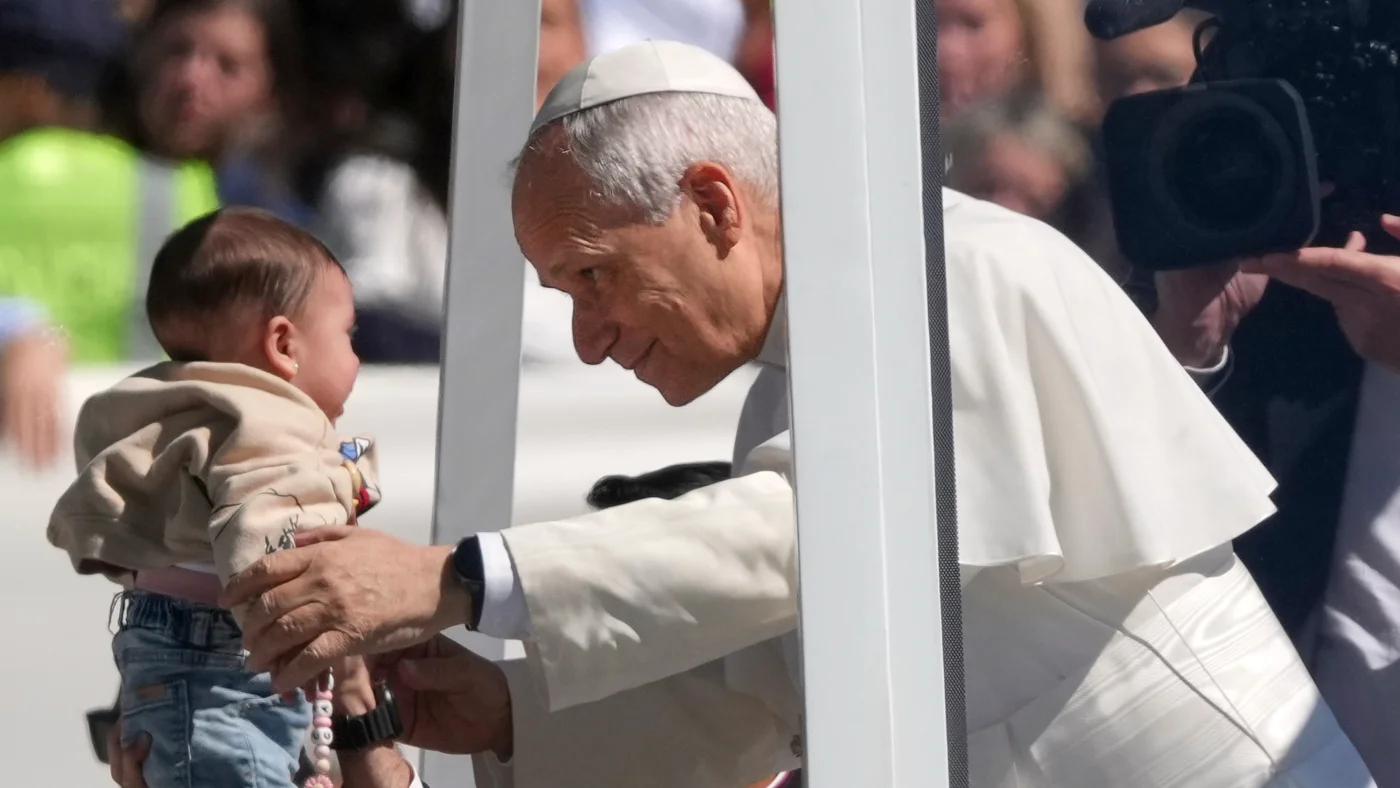
Pope Leo XIV concluded his visit to Uruguay on Sunday, marking the end of a trip that saw him bridge the gap between the nation’s secular identity and its Catholic roots.
As he prepares for the next leg of his twelve-day tour, the focus shifts to Argentina, a destination already defined by intense political friction.
In Florida, Uruguay, the Pope presided over Mass at the National Shrine of Our Lady of the Thirty-Three. According to NPR, the event drew an estimated 50,000 people to a city with a population of only 40,000, underscoring the significance of the visit.
It was the first papal trip to the country in nearly four decades, serving as a symbolic attempt to re-anchor the church within the national narrative of a country that has, over the decades, taken a notably secular and at times anticlerical path.
Faith and the Legacy of Mothers
The Pope’s homily centered on the intersection of faith and history, specifically referencing the Guaraní statue carried by the 33 patriots who declared independence from the Brazilian empire on August 25, 1825. Addressing the crowd, he emphasized the role of women in maintaining the church’s presence throughout that timeline.
As Pope Leo XIV gets ready to embark on his Apostolic Journey to Uruguay, Argentina, and Peru from November 6 to 17, he invited the faithful to pray for him and his visit during the Wednesday General Audience. pic.twitter.com/fIUFeKaprD
You taught your children to pray, and today they no longer do so. You used to attend Mass together, and it has been years since they entered a church. Mothers and grandmothers: never tire of passing on the faith!
For many, the visit provided a rare moment of personal reconnection. Fiama Pirez, an English professor who traveled from Montevideo to see the Pope, noted that she was rediscovering her faith during the outing, which she chose specifically to allow her mother to fulfill a long-held dream. The atmosphere in the square was one of celebration, with thousands walking several kilometers to reach the site under clear skies.
The Political Stakes in Argentina
The tone is expected to change drastically as Leo arrives in Argentina. The stop is widely considered the most delicate of his South American tour, given the ongoing tension between the Catholic Church and the government of President Javier Milei.
NPR reports that Milei is scheduled to greet the Pope at the airport, setting the stage for a series of ceremonies that will be closely watched for any signs of friction.
The conflict is rooted in the President’s aggressive economic reforms. Since taking office in December 2023, Milei has overseen a 48% reduction in the healthcare budget in real terms, according to NPR. These austerity measures, intended to secure a budget surplus and overhaul the economy, have faced sharp criticism from church leaders who argue that the resulting social costs are unsustainable.
This ideological divide is further complicated by Milei’s stance on social justice, which he has publicly dismissed as an “aberration.” While the administration portrays these cuts as necessary for national recovery, the human toll is evident in the data. Official figures for the first half of 2026 indicate that poverty has reached 32.3% of the population, impacting approximately 15 million people.
A Complex Diplomatic Horizon
The tension is not merely economic. The Pope has frequently called for strict, internationally policed safeguards on artificial intelligence, positioning himself in direct opposition to Milei’s push for limited regulation to attract data center investment. Furthermore, the visit is burdened by the unfinished legacy of Pope Francis, who never returned to his home country during his 12-year pontificate.

David Lantigua, a theology professor at the University of Notre Dame, noted the difficulty of the path ahead. “There’s a lot of disagreement over Francis and his legacy in Argentina,” Lantigua told NPR, pointing to the lingering friction from the former Cardinal’s time as a slum priest advocating for the marginalized.
As the government insists the trip is purely religious, security concerns have already surfaced. Authorities reported the arrest of an individual linked to death threats against the Pope just days before his arrival.
With the church’s historical focus on the poor and vulnerable now colliding with a presidency that defies conventional protocol, the coming days will serve as a high-stakes test for the Vatican’s influence in a deeply polarized nation.
Related reading
- UnitedHealthcare Dual Special Needs Plans Offer Medicare Medicaid Benefits
- Wayne Calvin Mosely, Sr.: Navy Veteran and Volunteer Firefighter
- Kopek Des Bordes Heads the Market for the Barberstown Castle Chase at Naas (world-today-news.com)
- Pope Leo XIV Arrives in Argentina, Expected to Challenge Milei (archyde.com)

UnitedHealthcare Dual Special Needs Plans Offer Medicare Medicaid Benefits
UnitedHealthcare Dual Complete ME-S1 Enrollment Details Maine residents qualifying for both Medicare and Medicaid can begin reviewing the...
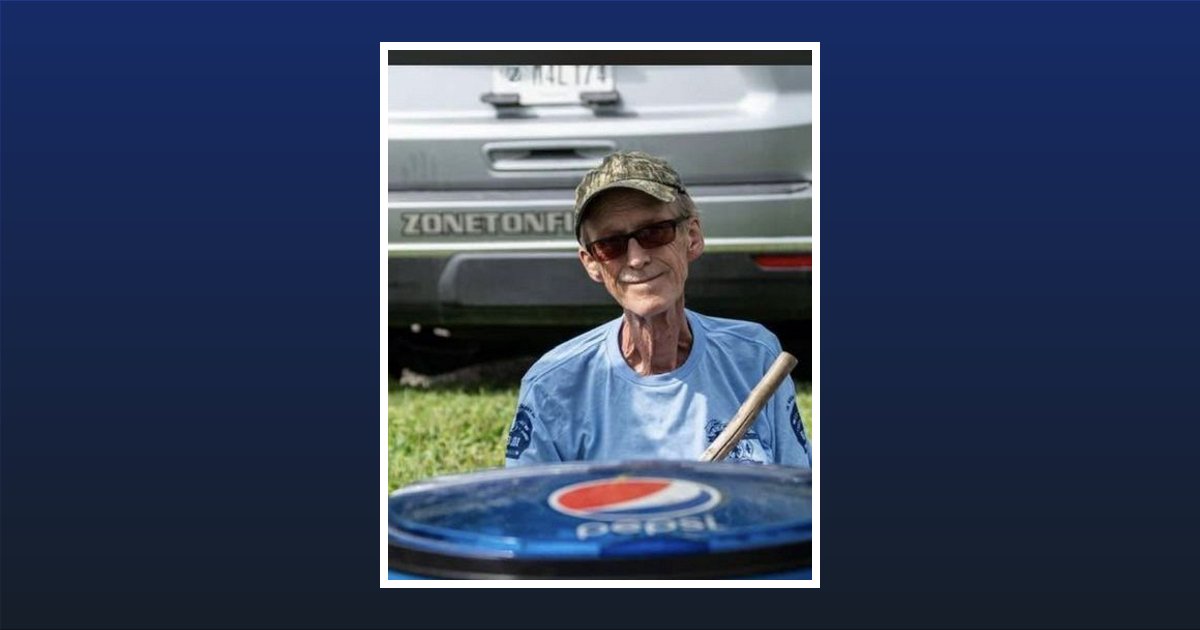
Wayne Calvin Mosely, Sr.: Navy Veteran and Volunteer Firefighter
Wayne Calvin Mosely, Sr. died on Friday, November 6, 2026, surrounded by his family, according to reports from...

Regent Park Rehabilitation Offers Expert 24/7 Nursing Care in Wichita
Regent Park Rehabilitation and Healthcare provides 24/7 nursing support for residents in the Wichita area, according to information...
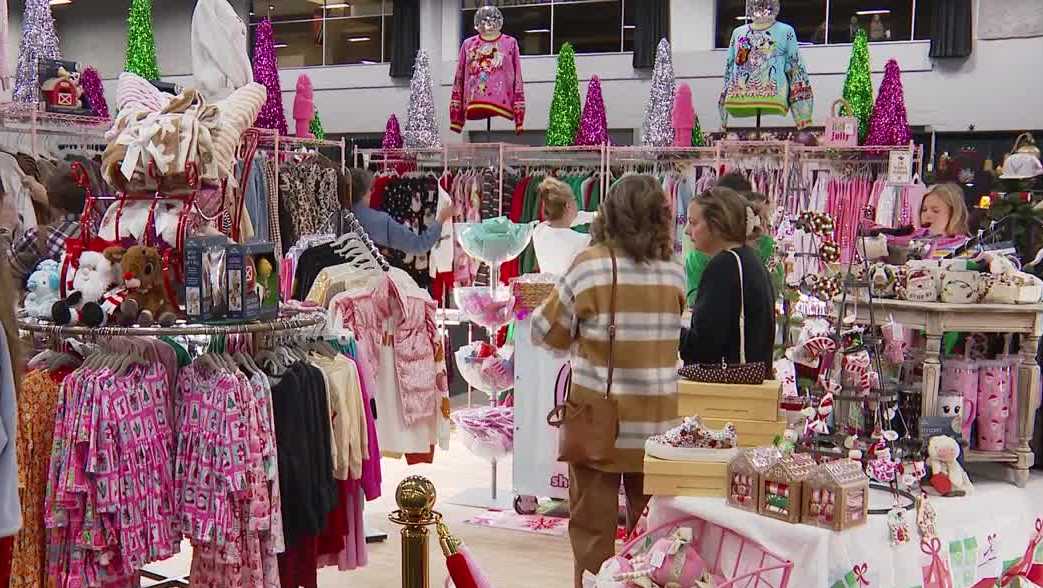
More than 200 small businesses gathered at the EMC Expo Center this weekend to kick off the local
More than 200 small businesses gathered at the EMC Expo Center this weekend to kick off the local...