
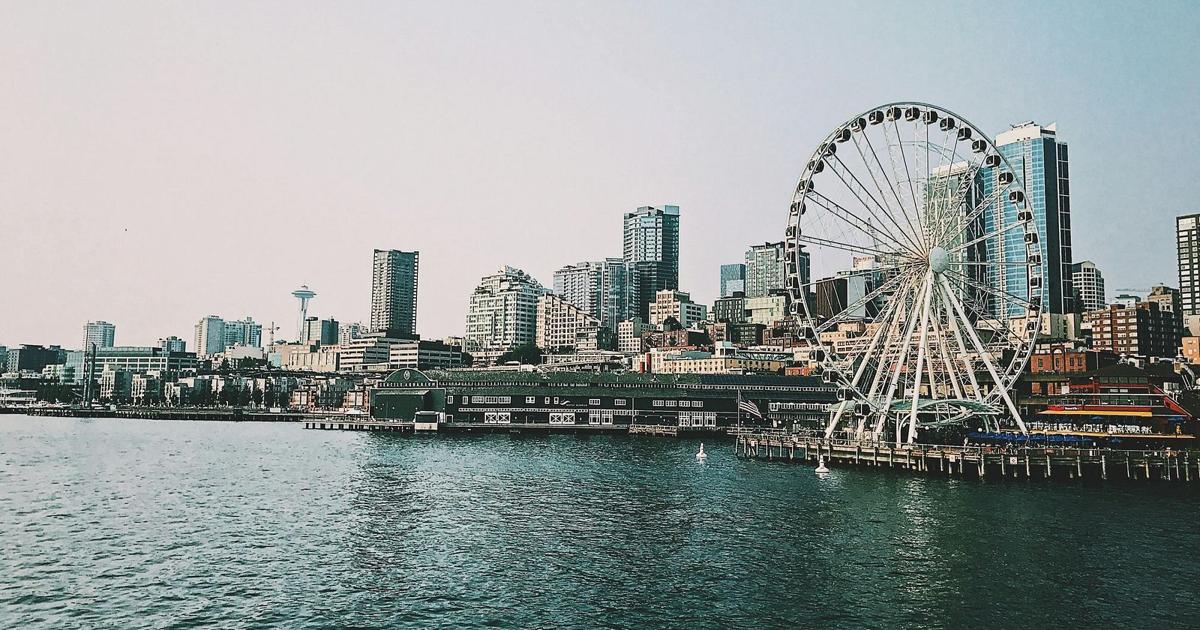
The Port of Seattle Commission voted 5-0 on Monday to raise its 2027 property tax levy by 8.2%, increasing collections from $90.2 million to $97.6 million without voter approval, and adopted a $1.4 billion operating budget for the year.
The increase will cost the owner of a median-assessed King County home, valued at $887,000, an additional $8 per year, bringing the port’s portion of the tax bill to $95, according to commission data reported by The Center Square.
The port’s levy represents roughly 1.1% of the $8.5 billion in property tax revenues King County expects to collect this year. An earlier estimate from Seatacnoise.info placed the median annual cost at $88 with a similar $8 increase, a figure that does not exactly match the port’s own projection.
Commission President Ryan Calkins described the increase as “modest” and said the “levy approach would provide an additional $67 million in capital capacity over the next decade for maritime projects, helping advance investments that are not currently funded in the capital plan.” He acknowledged the financial strain on families and businesses and pointed to existing tax relief programs.
Chief Financial Officer Chris Wimsatt called bonds “the primary workhorse of the financing of [the port’s] capital program” and said the additional levy revenue allows the port to avoid interest costs while maintaining the same debt service. “Our general obligation debt service cap, by moving from 75% to 70%, stays essentially flat,” Wimsatt told commissioners before the vote.
“All of the additional capital capacity generated by the change comes in the form of cash capital, which is important in a high and rising interest rate environment.” Bonds are still projected to make up 34.4% of the port’s funding sources next year, with total borrowing of about $870 million.
The commission will use 80% of its maximum allowable tax levy for 2027, up from a smaller share previously. State law permits a 1% annual increase in property tax collections, but the commission can apply banked authority from prior years when it did not take the full increase.
The additional $7.4 million in new levy revenue is not earmarked for a specific purpose, though the levy broadly supports waterfront construction, environmental cleanup and debt service. According to Hoodline, the bulk of the new levy funds will go toward maritime capital projects such as Terminal 91 electrical upgrades, mooring dolphins, bulkheads, and renewal work at Salmon Bay and Pier 69, with no money set aside for airport community relief.
The 2027 budget increases spending by 7.1%, or $92.9 million, over the revised 2026 budget, with planned cash payments rising to $2.45 billion when loan-financed construction, debt and other long-term capital needs are included. In addition to the property tax levy, the port brings in about $410 million from airport and rental-car fees, Northwest Seaport Alliance distributions, grants and interest.
King County, the state’s most populous county with 2,269,675 residents as of the 2020 census, anchors an economy where two-thirds of the population lives in suburbs that have evolved into major technology job centers, underscoring the high assessed values driving that $8.5 billion total.
Monday’s meeting was disrupted by persistent internet issues that interrupted the public livestream every few minutes, prompting Calkins to call a recess so listeners could follow the discussion. Commissioner Fred Felleman said commissioners had received several budget and levy briefings before the vote but argued the public had not been afforded the same opportunity due to the connection problems.
“I think we have more work to do to let the public know what we’re up to,” Felleman said. According to Seatacnoise.info, this marked the first year since 2016 that levy alternatives were not discussed publicly before a vote.
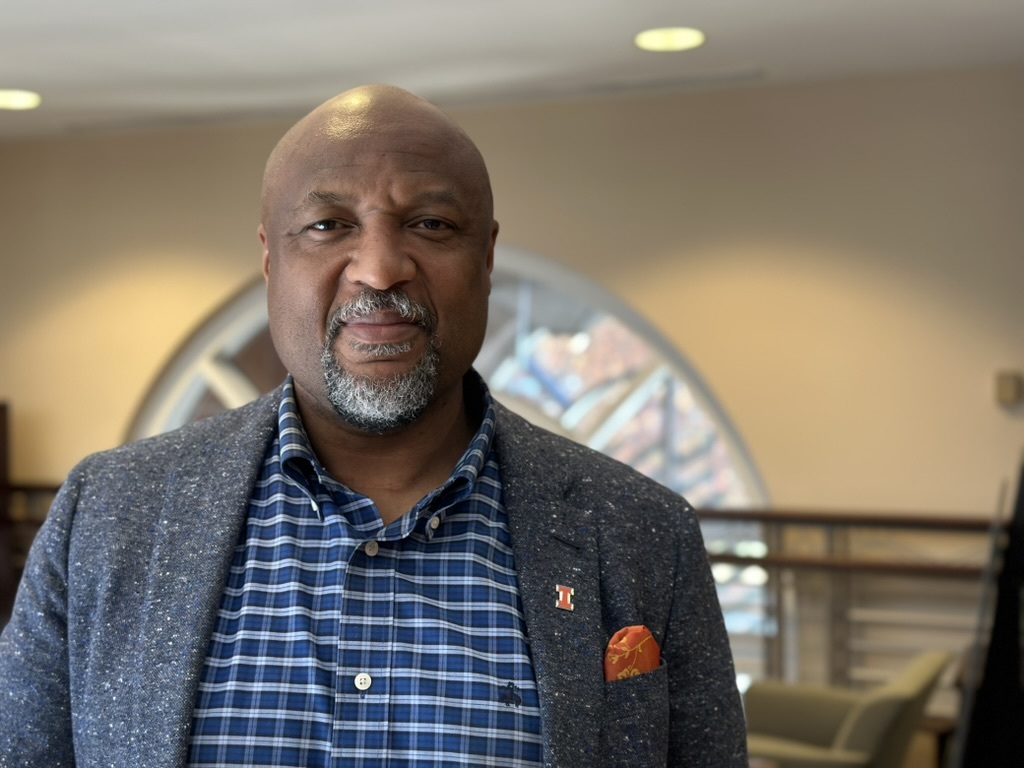
Illinois Chancellor: AI Danger Is Humans Using Systems They Don’t Understand
University of Illinois Urbana-Champaign Chancellor Charles Isbell said the danger of artificial intelligence lies not in machines acting...

DSI Expands Westbury Railing Distribution in Midwest via K+R’s Tulsa Facility
Digger Specialties Inc. (DSI) announced an expanded distribution partnership with K+R Building Materials to stock Westbury aluminum railing...
Andrew Gelman: 2026 Midterms Could Open Door for Partisan Depolarization
In a column for Statistical Modeling, Causal Inference, and Social Science, Andrew Gelman argues that the 2026 midterm...

Tuberville Announces Inaugural Week, Parade Canceled Over Costs
Gov.-elect Tommy Tuberville has announced a week of inaugural celebrations across Alabama, beginning with regional events in Mobile...