
Postal retirees face a hard deadline this fall that most federal workers never see: enroll in Medicare Part B or lose health coverage entirely, Federal News Network reported.
The mandate took effect in 2025 under the Postal Service Reform Act of 2022, creating a two-tier system where postal annuitants must pay the Part B premium while non-postal retirees keep the option to decline. About 70–75% of the Federal Employees Health Benefits premium is still covered by the government, but that contribution is capped, leaving retirees exposed to every annual increase.
- Postal retirees must enroll in Medicare Part B to retain PSHB coverage; non-postal retirees face no such requirement.
- Government premium sharing averages 70–75% but hits a statutory cap, shifting all future cost growth to the annuitant.
- Suspending FEHB — not canceling — preserves re-entry rights during Open Season if Medicare Advantage networks prove inadequate.
Two Systems, One Workforce
The Postal Service Health Benefits program launched in January 2025, severing postal retirees from the legacy FEHB risk pool. Non-postal annuitants remain in FEHB with the same five-year enrollment rule that has governed retirement eligibility for decades. The split means identical medical events now trigger different financial obligations depending on the agency that issued the pension check.
The Part B Trap
Medicare Part B carries a standard premium, but Income-Related Monthly Adjustment Amounts push high earners above $600. Retirees who delay Part B without qualifying employer coverage face a permanent 10% penalty for each 12-month delay. Active FEHB counts as employer coverage; retired FEHB does not.
Suspension Beats Cancellation
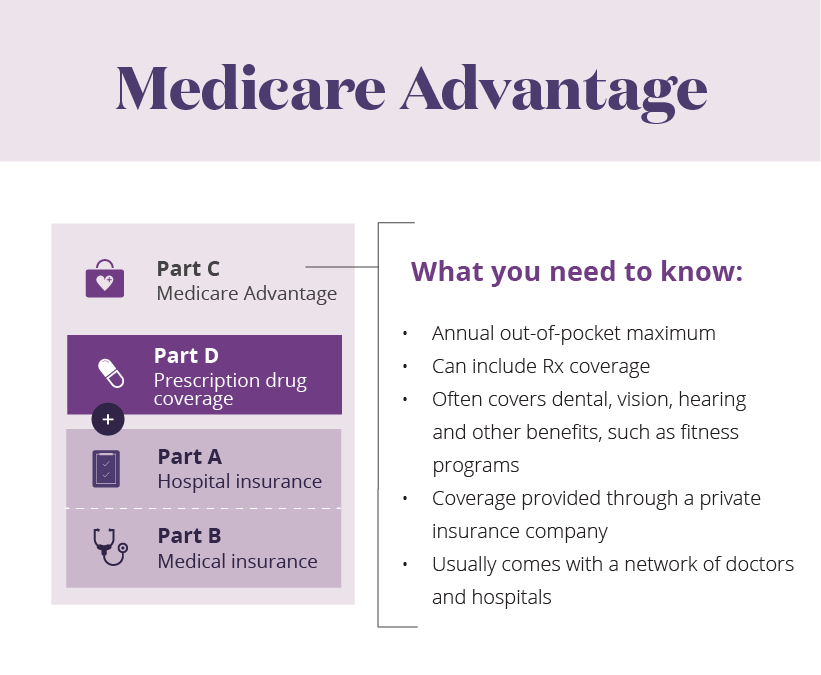
Retirees moving to Medicare Advantage plans can suspend FEHB instead of canceling. Suspension preserves the right to re-enroll during any future Open Season or after qualifying life events. Cancellation is permanent. The distinction matters because Medicare Advantage networks can shrink mid-year, leaving enrollees without in-network specialists.
FEHB plans labeled “Basic” often rebate a portion of the Part B premium, effectively lowering the net cost of dual coverage. The rebate amount varies by plan and is recalculated annually.
International Gap
Medicare provides no coverage outside the United States. Retirees who travel or live abroad part-time must weigh that gap against the premium savings of dropping Part B. FEHB plans generally cover overseas care, though reimbursement rates and provider acceptance vary.
Open Season Discipline
Premiums for both FEHB and PSHB plans adjust each January.
Postal retirees must enroll in Medicare Part B to maintain FEHB coverage through the PSHB program.
Disclaimer: The information provided in this article is for educational and market analysis purposes only and does not constitute financial, investment, or legal advice. Always consult with a certified financial professional before making investment decisions.
Keep reading

Vikings Explored All Altitude Prep Options Before Staying in Minnesota for 49ers Game in Mexico City
The Vikings explored every option for altitude preparation before deciding to stay in Minnesota this week ahead of...

RJ Luis Jr. Stands Down at LSU Amid NCAA, SEC Eligibility Pressure
RJ Luis Jr. walked away from LSU basketball Thursday night rather than force a showdown that could have...

Illinois State Sets Record 75-Point Margin in 123-48 Win Over Eureka College
Illinois State rewrote its record book Thursday night, beating Eureka College 123-48 for a 75-point margin that stands...

Third Lottery Window Opens for ASOBIEXPO HAWAII 2027 JTB Tour With Full Idol Lineup
A third lottery window for the JTB tour package tied to ASOBIEXPO HAWAII 2027 opened Friday at 3...