
The death of a teenager identified as Martinez has intensified scrutiny of President Abelardo de la Espriella’s aggressive security crackdown, Al Jazeera reported on Thursday.
Since the killing, two new allegations of extrajudicial executions have surfaced, according to the report. Yet de la Espriella retains an approval rating above 48 percent as of November, leading other public figures in the survey, including predecessor Gustavo Petro, according to the research firm AtlasIntel.
The pressure for results comes partly from Washington. The administration of U.S. President Donald Trump has pressed Latin American leaders to dismantle groups it labels “narcoterrorists,” Al Jazeera reported.
The conflict has shifted. Armed groups have expanded and embedded themselves in civilian populations, operating in smaller units that are harder to detect, Laura Bonilla, deputy director of the Peace and Reconciliation Foundation, told Al Jazeera.
“Most armed groups today are not easily identifiable. They don’t go around wearing uniforms and boots,” Bonilla said. “They no longer have camps of 200 people.”
The dynamic demands a different response, she said — one relying “much more on police and judicial capabilities and, above all, intelligence rather than large-scale military operations.”
That methodical approach is exactly what political pressure erodes, experts said. “When you’re under pressure to produce results, you don’t have the time to properly plan an operation, assess all the intelligence, and consider the collateral effects,” Dimas told Al Jazeera.
His organization argues security forces should abort operations that endanger civilians. “We’re telling the government that, if an operation poses a risk to civilians, it’s better not to carry it out,” Dimas said. “Instead, they should wait for another opportunity.”
President Abelardo de la Espriella held an approval rating above 48 percent in November, placing him ahead of other public figures in the survey, including predecessor Gustavo Petro, according to the research firm AtlasIntel.
His hardline security approach has been informed partly by pressure from the administration of U.S. President Donald Trump, which pushed Latin American leaders to dismantle groups it labels “narcoterrorists.”
Dimas told Al Jazeera that security forces should abort operations that endanger civilians rather than proceed under pressure for quick results. “We’re telling the government that, if an operation poses a risk to civilians, it’s better not to carry it out,” he said, adding they should wait for another opportunity.
Rodriguez went further, calling on de la Espriella to stop military bombardments in rural areas and improve intelligence gathering before operations to protect farmers and young people living there.
Rodriguez, Martinez’s mother, has called on de la Espriella to halt military bombardments in rural areas and improve intelligence gathering before operations. “They should investigate thoroughly so that innocent people aren’t hurt. There are farmers that live there too, young people with dreams, and mothers who love their children and want the best for them,” she told Al Jazeera.
On Sunday, she brought red flowers to her son’s tomb in a Santa Marta cemetery — a new weekly ritual. “It’s not fair,” she said before the grave. “I want to know why – why they killed him when the authorities are supposed to protect citizens like him.”

Santa Fe County to Hold Dec. 1 Hearing on $17.50 Living Wage Increase
Santa Fe County will hold a public hearing Dec. 1 on a proposed ordinance that would raise the...

Pieper Grew up on a Farm Near Norfolk, Nebraska, Cheering for the Cornhuskers
Pieper is one of three finalists for the 2026 Outland Trophy, joining Tennessee's Xavier Gilliam and Texas Tech's...

Rhode Island Thanksgiving Dinners Serve Thousands
“What we’re bringing is a sense of togetherness, a sense of warmth to the community,” said Rhonda Lapham,...
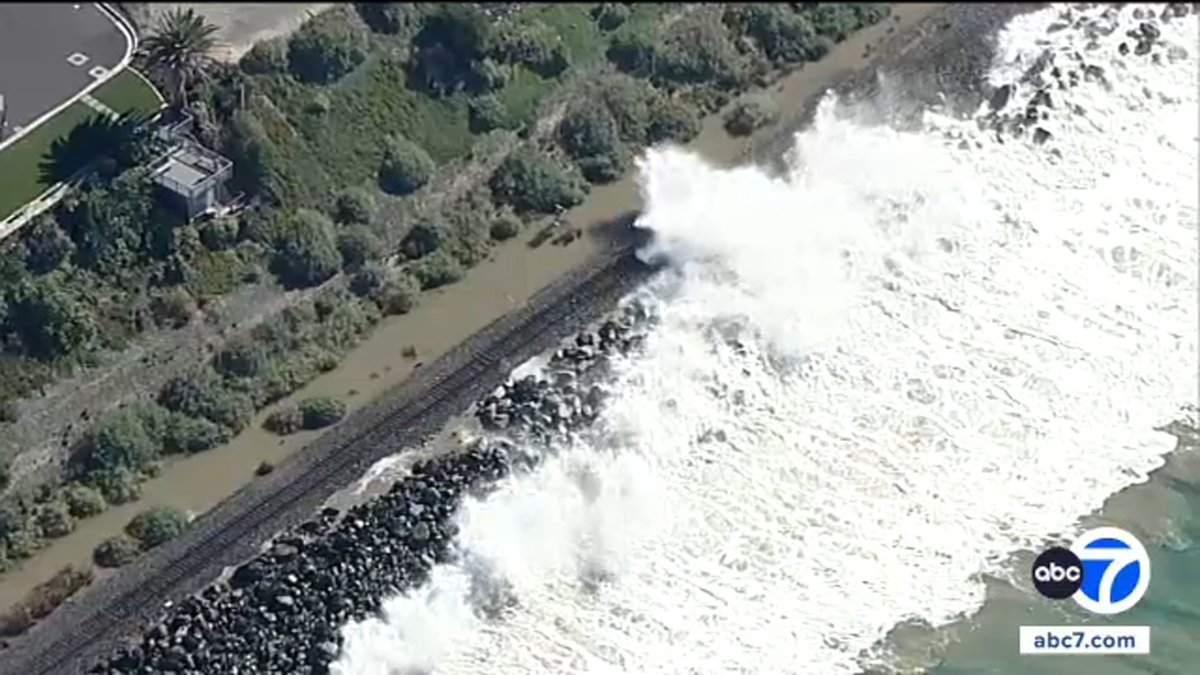
King Tides, High Surf Shut Down Pacific Surfliner Service in SoCal
Amtrak canceled Pacific Surfliner service between Irvine and Oceanside on Thursday, November 26, 2026, citing track washout from...