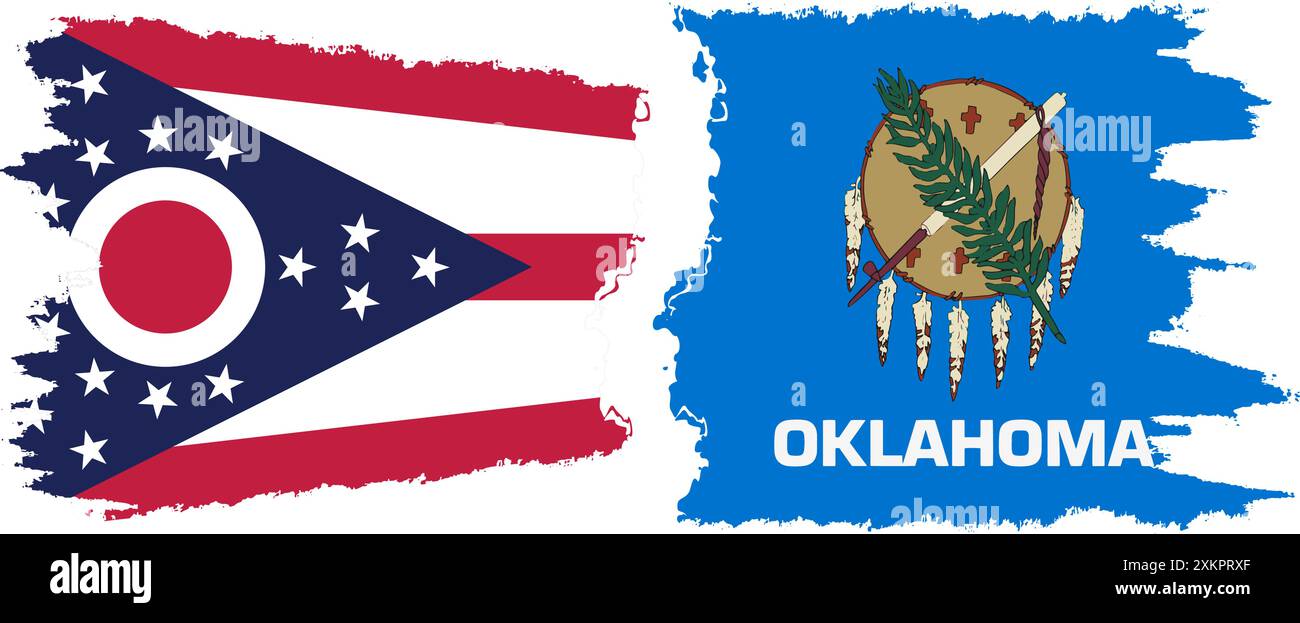
Proposed changes to the National Historic Preservation Act threaten sacred sites in Ohio and Oklahoma
The Trump administration has proposed revisions to the National Historic Preservation Act that could weaken protections for historic and sacred sites across the United States. According to a report by NPR, these changes could jeopardize ancestral lands in Ohio and impact the ability of tribal nations to protect sites of cultural significance. The proposed updates would narrow the definition of what constitutes damage to a site and make the federal consultation process optional rather than mandatory.
For many Indigenous communities, these legal shifts represent more than just a change in administrative procedure. The current framework, specifically Section 106 of the Act, requires federal agencies to consult with states, tribes, or local governments regarding development proposals and redesign projects. This mechanism is designed to mitigate harm to historic locations, ensuring that infrastructure or commercial growth does not come at the expense of irreplaceable cultural heritage.
Sacred earthworks in Ohio face new risks
In Ohio, the stakes involve hundreds of earthworks that hold immense spiritual and historical value for Native Americans. One prominent example is the Miamisburg Mound, a 65-foot conical structure built by the Indigenous Adena Culture. Located in the Miami Valley, the mound stands as a massive testament to a civilization that existed thousands of years ago.
The proposed revisions from the Advisory Council on Historic Preservation and Congress seek to streamline the permitting process for various projects. While proponents argue these changes are necessary for efficiency, tribal leaders see a direct threat to the physical integrity of these landmarks. If consultation becomes optional, the legal bridge between federal development and tribal stewardship could effectively vanish.
Tribal leaders in Oklahoma warn of infrastructure impacts
The implications of the proposed rule changes extend far beyond the borders of Ohio. In Oklahoma, where 38 federally recognized tribal nations are located, leaders are watching the developments with significant concern. Many of these tribes, including the Shawnee, were forcibly displaced to Oklahoma from ancestral territories in the East during the 18th and 19th centuries due to broken treaties and federal policies.
Chief Ben Barnes of the Shawnee Tribe emphasizes that Section 106 is a vital tool for protecting both ancestral lands in the East and current sacred sites in Oklahoma. He points to the practical risks posed by modern utility projects as a primary concern.
“We have a very large gas line that runs across Oklahoma to Springfield, Missouri. And one day, that gas line is going to need to be disturbed or going to need to be enlarged or need to be repaired. And without having Section 106 processes, they can do that without ever consulting the people that gather in that place to worship.”
Blake Norton, an official with the Citizen Potawatomi Nation, expressed the emotional and human cost of potentially losing these sites to rapid development. He suggested that prioritizing project completion over cultural preservation disregards the fundamental relationship Native Americans maintain with these spaces.
The debate between development speed and cultural preservation
The push for reform is driven by a desire to accelerate national infrastructure and energy projects. Democratic Senator Martin Heinrich of New Mexico has voiced support for the idea that the current regulatory environment can be too slow, arguing that the United States needs to be able to complete major projects in years rather than decades.
This creates a fundamental tension between two competing national interests: the economic and logistical necessity of rapid development and the legal and moral obligation to protect Indigenous heritage. The following table outlines the core points of contention regarding the proposed changes to the Act:
| Issue | Proponent Perspective (Streamlining) | Tribal/Advocate Perspective (Protection) |
|---|---|---|
| Consultation Process | Making consultation optional to reduce delays. | Mandatory consultation is essential for tribal sovereignty. |
| Definition of Damage | Narrowing what is considered “damaging” to speed up permits. | Current definitions are necessary to prevent irreparable harm. |
| Project Timelines | Reducing decades-long approval processes for energy/infrastructure. | Speed should not come at the cost of sacred site integrity. |
Senator Heinrich has indicated that he is currently in discussions with tribal leaders to explore potential compromises that might satisfy the need for efficiency without completely undermining the protections afforded to tribal nations. As the debate moves forward in Congress, the outcome will likely determine the level of influence Indigenous communities have over the physical landscape of the country for generations to come.
The National Historic Preservation Act has served as the primary federal tool for cultural site protection for 60 years.
Related reading

Wichita Northwest Rushing Trio Powers Grizzlies to Class 6A Quarterfinals
Wichita Northwest overcomes early season struggles to secure eight straight wins The Wichita Northwest Grizzlies have transformed a...

Iowa State defeats FIU 17-14 to advance to ninth-place game
Iowa State Cyclones Overcome Florida International Lead to Secure Ninth-Place Playoff Spot The Iowa State University Cyclones staged...

MS&T Volleyball Overcomes Early Deficit to Defeat UIS in Thrilling Matchup
Missouri S&T and Illinois Springfield Battle Through Intense Volleyball Exchange According to the official box score from Missouri...

Barea Late Goal Sends Athletic Club Boise to League One Final
Jesús Barea strikes in the 114th minute to secure Boise’s spot in the League One Final Jesús Barea...