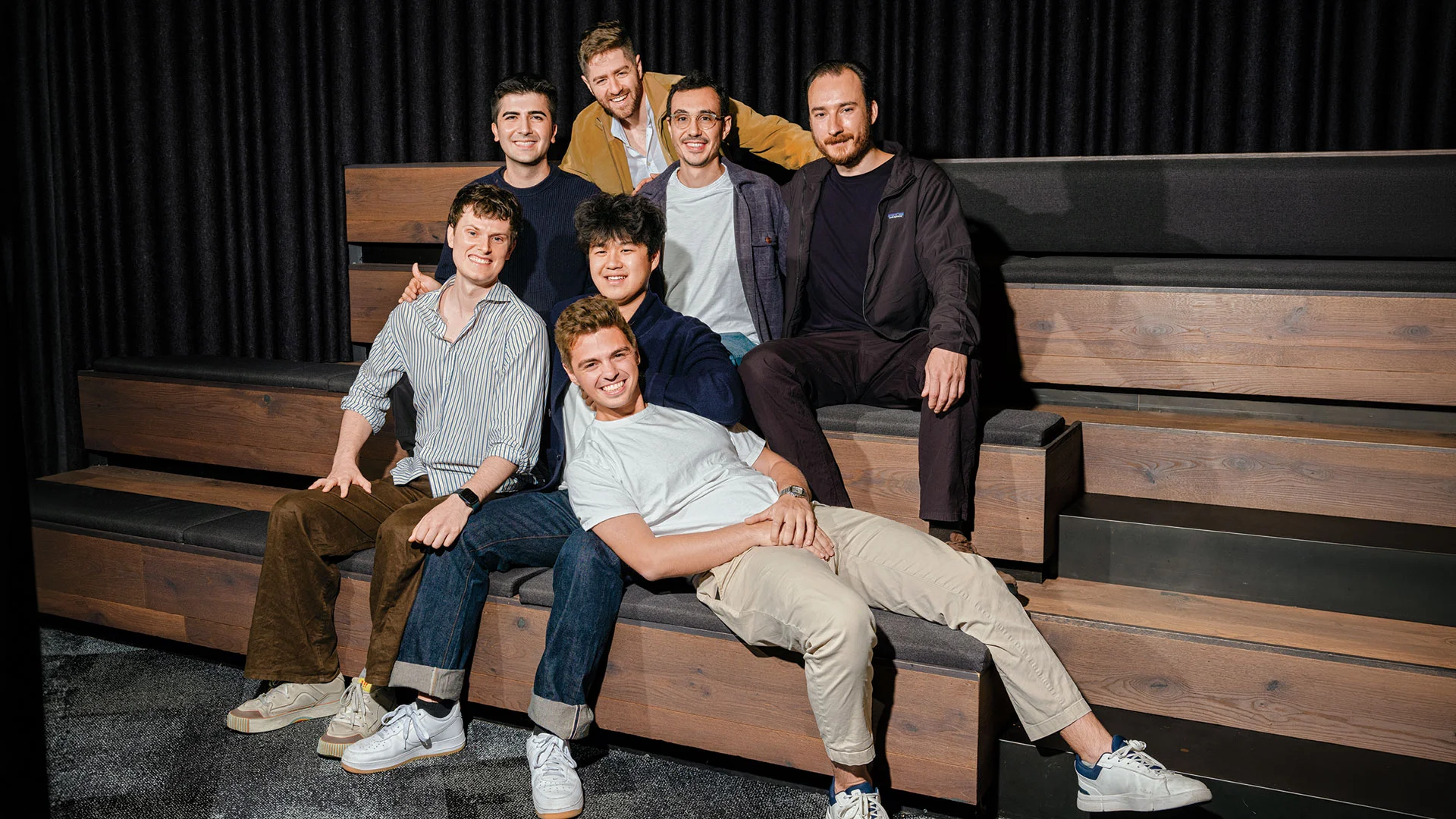
Ramp’s $60-billion valuation sits on a counterintuitive bet: the best way to retain elite talent is to help them quit.
CEO Eric Glyman has turned his fintech into a founder factory, actively recruiting employees who plan to leave and backing their startups when they do.
- The Alpha Metric: More than 3 percent of all U.S. corporate card transactions now run on Ramp’s rails, per company data.
- The Mechanism: Decentralized “local dictator” autonomy lets engineers ship billion-dollar products like Bill Pay before age 21.
- The Flywheel: Alumni startups — Crosby, Silna, Cohere.io — become Ramp customers, acquisition targets, and recruiting magnets.
The Founder Factory Model
Glyman’s playbook traces back to 2014. Millstein & Co. founder Jim Millstein blessed Glyman’s exit to build Paribus, later sold to Capital One. That experience hardwired a belief: entrepreneurial drive compounds when nurtured, not caged. “There’s an incredible return to finding people who have strong drive, strong intelligence,” Glyman told Inc. “It comes with some heartburn, but I think the highs are worth it.”
Ramp pitches candidates explicitly as a pre-founder apprenticeship. John Sarihan interned after a Google stint, telling CTO Karim Atiyeh within minutes he wanted to start a company. Atiyeh hired him anyway. Sarihan rose to tech lead, shipped products, then left in September 2024 to found Crosby, an AI-powered law firm. By March 2025, Crosby raised a $60-million Series B at a $400 million valuation. Ramp’s general counsel now uses Crosby.
Autonomy as Curriculum
The organizational ethos — “a bunch of local dictators,” per Pavel Asparouhov — minimizes product managers and career supervisors. Engineers own hiring, customer outreach, and product proposals. Asparouhov, a Berkeley dropout who joined full-time during the pandemic, built the accounts payable platform Bill Pay before he could legally drink. The tool now processes billions in annual transactions.
“You learn so much from taking a project like that from zero to one,” said Moab’s Anderson, a Ramp veteran. “The level of trust and deference that Glyman and Atiyeh put into everyone there, especially the early-career folks — I’ve never seen anything like that.”
Ramp has effectively productized the Y Combinator experience inside a Series D company. The alumni network functions as a proprietary deal flow engine that most VCs would kill for.
— Sarah Tavel, General Partner, Benchmark
The Boomerang M&a Channel
The model pays dividends in hard M&A terms. Yunyu Lin left in 2020 to co-found Cohere.io, a customer support platform backed by Y Combinator. Atiyeh and Glyman invested personally, Ramp became a customer, and Atiyeh advised on Lin’s exit.
“It probably makes sense to exit,” Lin recalled Atiyeh saying, “but you should come back to Ramp.” Ramp acquired Cohere.io; Lin and co-founder Rahul Sengottuvelu returned as heads of applied AI. Sengottuvelu later replaced Atiyeh as CTO when Atiyeh became co-CEO.
Months later, Ramp bought Venue, a procurement automation platform founded by alumni. Venue is now one of Ramp’s fastest-growing products. Lin repeated the cycle in February 2025, leaving again to co-found Scope Health, with Ramp’s fundraising help and customer referrals.
Ramp Alumni Brand Accelerates Fundraising and Hiring
The Ramp imprimatur acts as a capital markets accelerant. “If you did something important at Ramp early, you basically get a term sheet,” Asparouhov said. Nathan Leung, founder of clinical trial platform Harbor, said VCs scrape LinkedIn for Ramp alumni.
Ariel Langer, now building a health tech startup, credited the brand for investor and customer access. Glyman and Atiyeh routinely put small angel checks into alumni ventures — “even a small amount, just to show support” — creating external signaling for follow-on rounds while keeping Ramp close to the cap table.
The recursive loop — train founders, fund founders, acquire founders, repeat — creates a compounding data advantage in B2B fintech. Every alumni company expands Ramp’s product surface area and talent pipeline simultaneously.
— Alex Rampell, General Partner, Andreessen Horowitz
Main Street Bridge
For the thousands of businesses on Ramp — Glossier, Stripe, Shopify, Uber, Visa — the founder factory isn’t abstract. It means the expense management tool approving your employee’s receipt today was built by an engineer who shipped Bill Pay at 20, and the procurement module rolling out next quarter was forged in an alumni startup Ramp later acquired.
The velocity of product iteration, driven by zero-to-one reps, translates directly into faster close cycles, tighter spend controls, and fewer vendor negotiations for finance teams.
Smart Money Tracker
General Catalyst, Sequoia, and Thrive Capital backed the October 2021 round at $60 billion. The bet isn’t on card interchange revenue — it’s on the network effect of a talent flywheel that turns attrition into acquisition pipeline.
Next Inflection
Asparouhov’s Silna, automating insurance authorizations, raised $27 million across two rounds. Sarihan’s Crosby sits a few blocks from Ramp’s office. Lin’s Scope Health launched in February.
Ramp alumni have built a dense network where alumni-to-alumni deal flow — Crosby serving Ramp, Rivet doing tax prep for Ramp executives — may exceed Ramp-to-alumni flow. “There’s a higher density of great people,” the Inc report said, trailing off mid-sentence. The network is still compounding.
Disclaimer: The information provided in this article is for educational and market analysis purposes only and does not constitute financial, investment, or legal advice. Always consult with a certified financial professional before making investment decisions.
Related reading

Oscar Goodman Book Alleges Decades of Government Misconduct and Illegal Surveillance
"Don't accept the word of the Law simply because they wear a badge, or trust judges just because...
Can’d Aid and The Ball Foundation Announce 2026-27 Crush It Crusade Grant Recipients
Can'd Aid and The Ball Foundation have announced the 2026–27 Crush It Crusade grant class, backing more than...

Suspect Booked in Murder of 15-Year-Old Monroe High School Student
Tyson Grant, the 27-year-old charged in the October stabbing that killed 15-year-old Trenton Grant, was booked into the...
Richard H. Howard, Jr., Berlin Resident, Dies at 65
Richard H. Howard, Jr., a longtime Berlin resident known for restoring Chevrolet Novas and working the counter at...