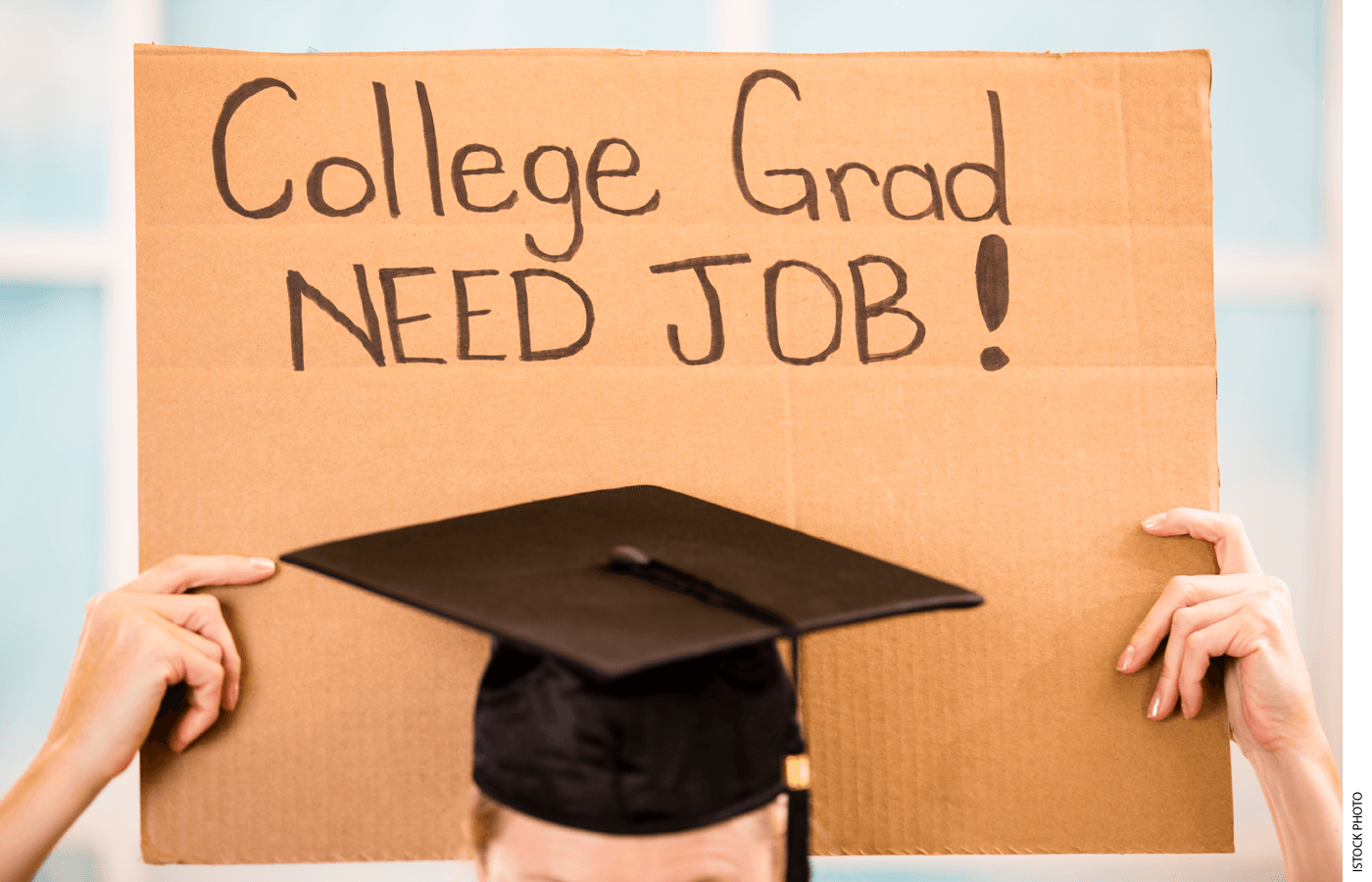
The share of recent college graduates working in jobs that do not require a degree hit 42.5 percent in September, the highest level since the pandemic peak, according to the Federal Reserve Bank of New York. Underemployment for graduates ages 22 to 27 now exceeds the overall workforce unemployment rate, The Washington Post reported.
Data from the job-search platform Indeed shows half of the class of 2025 was underemployed a year after graduation, up from a 39 percent average between 2017 and 2019, Business Insider reported. Economists describe a low-hire, low-fire environment where companies are reluctant to add staff while also holding onto existing workers.
Pandemic backlog and policy shifts
Georgetown University Center on Education and the Workforce research professor Jeff Strohl called the situation a “perfect storm.” The pandemic disrupted internships and entry-level hiring for several consecutive classes, creating a backlog of applicants.
“The effects of the pandemic itself (on recent graduate hiring) are probably long gone, but it caused a ripple in the entry labor market,” Strohl told The Washington Post. “It slowed things down, it made a bit of a backup in the drain.”
New tariffs under the second Trump administration and the federal cost-cutting initiative known as DOGE have added further caution. DOGE-led reductions in research grants and federal employment have removed opportunities that typically absorb new graduates, The Washington Post reported.
AI reshapes hiring pipelines
Automated portals and AI-generated cover letters have flooded hiring managers with applications, prompting companies to use their own automation to screen candidates. “Now you have the robots fighting the robots,” said Carlo Salerno, a managing director at the Burning Glass Institute, speaking to The Washington Post.
Some firms are substituting AI for junior roles while they assess long-term workforce needs. Anthropic, which went public last week, said junior workers made up about 9 percent of recent technical hires, down from more than 25 percent in early 2025, The Washington Post reported.
Retail wages lag software pay by half
Retail salespeople, a role the Bureau of Labor Statistics classifies as requiring no formal credential, earned an average annual wage of $37,310 in 2025, compared with the overall average of $69,770, Business Insider reported. Entry-level software engineers, by contrast, commanded an average base salary of about $82,000, according to Indeed data cited by Business Insider.
Early underemployment tends to persist. A 2024 study from the Strada Education Foundation and Burning Glass Institute found that 73 percent of graduates who start out underemployed remain so a decade later, making them 3.5 times more likely to be underemployed than peers who began in degree-requiring jobs, Business Insider reported.
Measurement debates
Not all analysts agree on the scope of the problem. Education Next said that the Strada/Burning Glass study excludes bachelor’s degree holders who went on to earn graduate or professional degrees, a group that lowers overall underemployment rates. The New York Fed’s measure, which includes all graduates ages 22 to 65, put the rate at 34 percent in June 2026, Education Next reported.
Economists also debate the definition. The Bureau of Labor Statistics classifies advertising sales agents as a high school–level job, yet 70 percent hold a bachelor’s degree and earn 78 percent more than colleagues without one, Education Next reported. “It seems a stretch to maintain that all those degree holders are ‘underemployed,’” the outlet wrote.
Uneven outcomes by major
Underemployment varies sharply by field. Criminal justice, performing arts, and fine arts majors posted the highest rates in 2024, while nursing, aerospace engineering, and civil engineering recorded the lowest, according to New York Fed data cited by Business Insider. Computer engineering ranked among the lowest for underemployment but carried the second-highest unemployment rate among majors.
Ethan Maas, 23, graduated with a computer engineering degree from Virginia Tech in December and has since worked contract IT gigs lasting days or weeks. “It’s one of the worst drags on the economy to have an educated young person like myself unable to use my degree,” he told The Washington Post.
What comes next
Career advisors are urging graduates to shift from volume applications to targeted networking. “This is not the moment to apply for 7,000 jobs. This is the moment to do everything around the application,” said Sheila Sarem, founder and CEO of Basta, speaking to The Washington Post. Salerno added, “We haven’t had enough time for the dust to settle into a new steady state yet.”

Florida Man Who Called Himself ‘Elite Ranked Pedophile’ Sentenced to 310 Years for Child Sexual Abuse Material
A federal judge in Jacksonville sentenced 55-year-old Frederick Karl Hildenbrand of Cocoa to 310 years in prison on...
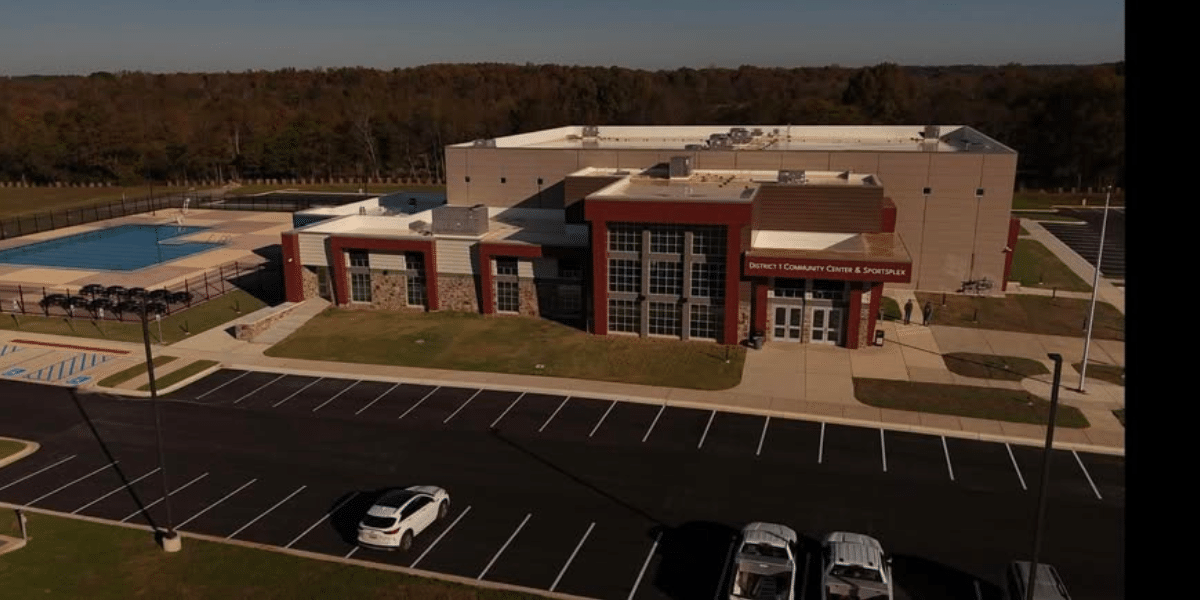
Madison County Opens $14.7M New Market Sportsplex to Ease Recreation Center Crowding
Madison County opened a $14.7 million sportsplex and community center Monday at Sharon Johnston Park in New Market,...
State Audit Finds $2.2M Errors In Child Care Program
A state performance audit found more than $2.2 million in payment errors across North Dakota's Child Care Assistance...

MoDOT: Rebuilt Providence Road Bridge Over I-70 Opens to Traffic Tuesday
The rebuilt Providence Road bridge over Interstate 70 in Columbia opened to traffic Tuesday, six months after the...