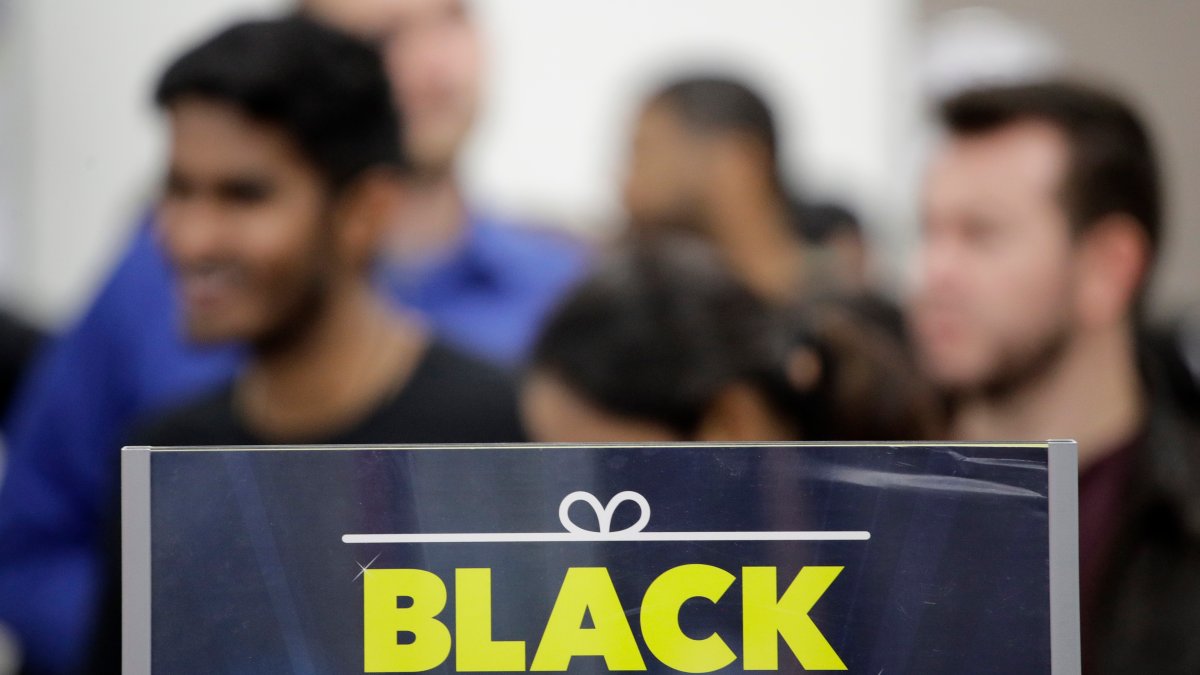
PwC and Circana project a 1% to 2% decline in holiday spending despite a record $1.013 trillion forecast.
Americans are on track to spend a record $1.013 trillion this holiday season, but inflation means shoppers are getting less for their money.
The National Retail Federation forecasts a 4.2% increase in holiday retail sales, the first time the figure has crossed the trillion-dollar threshold. Visa Business and Economic Insights projects a similar 4.5% gain. But after adjusting for an estimated 3.4% rise in prices for holiday-related goods, Visa expects real spending growth of just 1.1%, NBC 7 San Diego reported.
“Some of the increase — some of that 4% is inflation, it is the fact that things cost more, but some of it is that people are actually spending more on these holiday purchases,” said Joe Gladstone, assistant professor of behavioral sciences and marketing at the UC San Diego Rady School of Management.
Shoppers are making deliberate trade-offs to keep gift-giving intact. Visa’s consumer survey found the average planned gift budget rose 5.6% to $777, up from $736 in 2025. Yet roughly one-third of consumers earning under $100,000 plan to switch to lower-cost brands or stores.
“It’s really the things that represent our social relationships with others — things like gifts, things that show we care — that people are particularly reluctant to cut back on,” Gladstone said.
Fewer gifts, cheaper stores
Raquel Barilla told NBC 7 San Diego her family will spend more but buy less. “We’re not going to get as many items this year as we told the kids,” she said.
“When we’re getting somebody something, we want it to be more meaningful … I think we’re just being more conscious with our dollar.”
In Minneapolis, Deloitte surveyed shoppers who expect to spend roughly $1,500 on gifts this year, down from slightly more than $1,700 last year, and plan to buy eight gifts instead of nine, the Star Tribune reported. Mass merchants such as Target and Walmart are the top destination for those looking to stretch budgets.
“Two years in a row, customers were expecting higher prices on holiday goods, so perhaps they are feeling some fatigue and the impact of those higher prices,” said Matt Marsh, managing partner at Deloitte in Minneapolis.
Small businesses feel the squeeze
At Shore & Sage Wellness Market in San Diego, founder Olivia Steadman-Oladipo said rising costs have hit vendors and customers alike. “We’ve all been hit. Gas is higher, food is higher, the cost of goods are higher,” she told NBC 7 San Diego.
Still, she called the holidays “the best season of the entire year for small businesses.”
Forecasts diverge on the season’s trajectory. PwC and Circana project a 1% to 2% decline in spending, though Circana allows for growth up to 2.5%. PwC expects millennials — in peak earning years and often buying for children — to cut gift budgets by 10%.
“Two years in a row, customers were expecting higher prices on holiday goods, so perhaps they are feeling some fatigue and the impact of those higher prices,” said Matt Marsh, managing partner at Deloitte in Minneapolis.
Joe Gladstone, assistant professor of behavioral sciences and marketing at the UC San Diego Rady School of Management, is cited as an expert on the psychological drivers behind holiday spending.
The Rady School, established as UC San Diego’s business school in 2001 and named in January 2004, operates a behavioral lab in Wells Fargo Hall, completed in May 2012, where faculty research consumer decision-making. Gladstone explained that shoppers are reluctant to cut back on gifts because those purchases represent social relationships, even as inflation pushes consumers toward cheaper brands and fewer items.
Keep reading
- Long Island Beats Lindenwood 6-4 as Lions Go 0-for-5 on Power Play
- No. 1 Michigan Loses 2-0 to No. 9 Michigan State While Shorthanded
- UK inflation rises to 3.6 percent as Ofgem energy price cap faces 26 percent hike (newsarchyuk.com)
- Credit Card Debt Hits Record $1.29 Trillion but Trails 2008 After Inflation (daybreakwire.com)

Long Island Beats Lindenwood 6-4 as Lions Go 0-for-5 on Power Play
Lindenwood men's hockey fell 6-4 to Long Island at Centene Community Ice Center on Saturday, dropping the Lions...
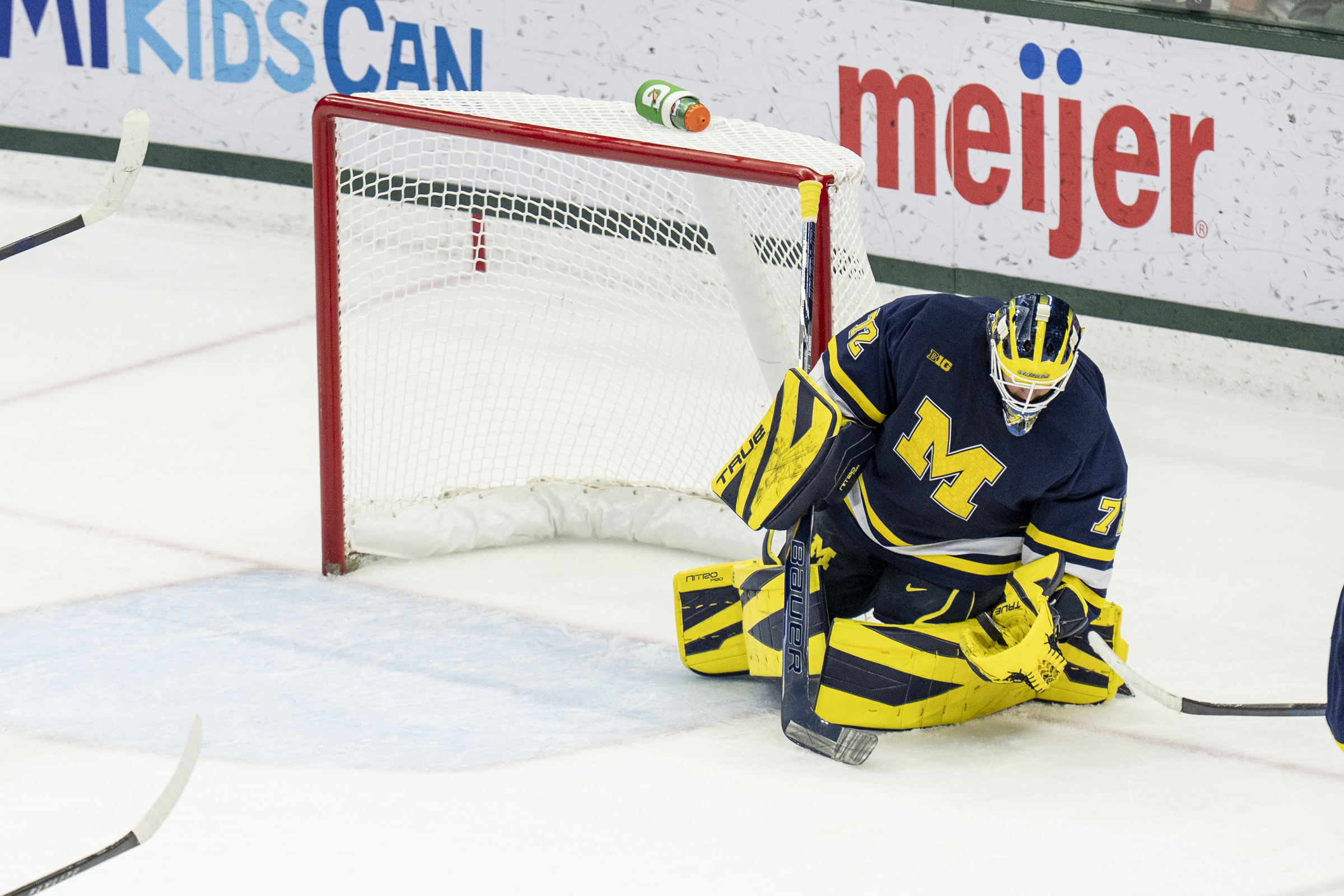
No. 1 Michigan Loses 2-0 to No. 9 Michigan State While Shorthanded
No. 1 Michigan fell 2-0 to No. 9 Michigan State on Friday at Munn Ice Arena, dropping its...
Fort Lewis Winless in Hawaii, Drops to 2-3 for Third Straight Season Under Mast
Fort Lewis College lost twice at the Southwest Airlines Big Island Invitational in Hilo, Hawaii, dropping to 2-3...
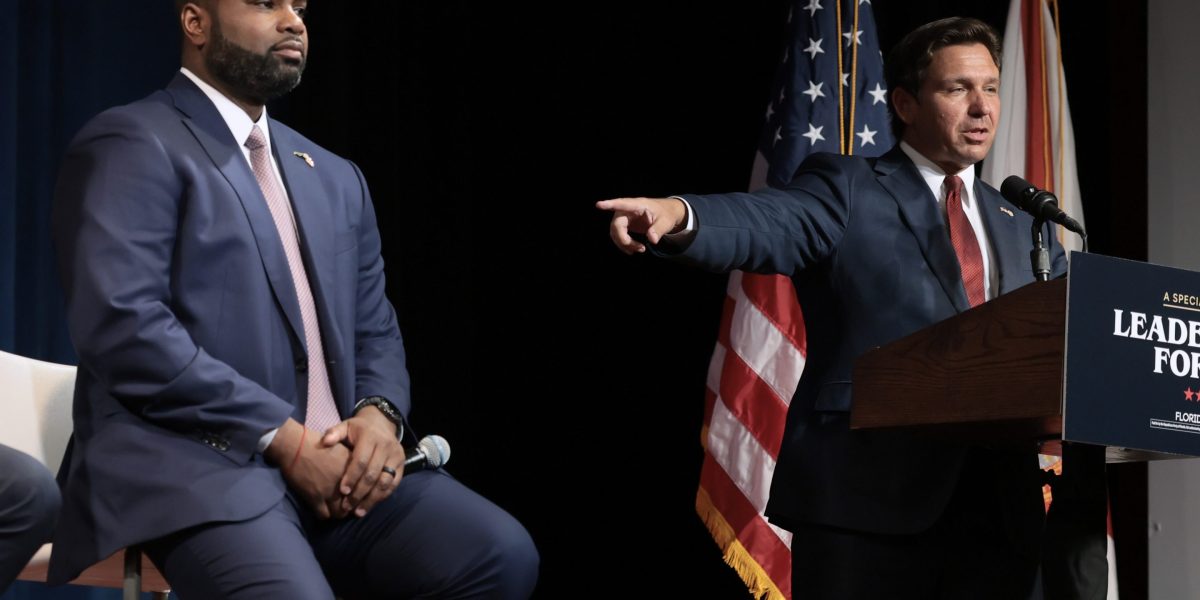
Florida Cities Cancel Parades, Cut Services After Amendment 3 Slashes Billions in Tax Revenue
Florida cities are canceling parades and cutting services after voters approved Amendment 3 this month, slashing local property-tax...